Is Whey Gluten-Free? The Truth About Whey Protein and Gluten Sensitivity
Table of Contents
- Is Whey Gluten-Free? Understanding the Truth Behind Your Favorite Protein Source
- The Science Behind Whey: What Is It and Where Does It Come From?
- Is Whey Protein Naturally Gluten-Free? The Key Factors to Consider
- Whey Protein Concentrate vs. Isolate: Which Is Safer for Gluten-Free Diets?
- Common Myths About Whey Protein and Gluten
- How to Choose a Gluten-Free Whey Protein: A Buyer’s Guide
- 1. Look for Gluten-Free Certification
- 2. Read the Ingredient List Carefully
- 3. Check the Manufacturing Process
- 4. Opt for Isolate Over Concentrate (If Possible)
- 5. Start with a Small Dose
- Alternatives to Whey Protein for Gluten-Free Diets
- Final Verdict: Can You Safely Consume Whey Protein on a Gluten-Free Diet?
Is Whey Gluten-Free? Understanding the Truth Behind Your Favorite Protein Source
If you're someone who follows a gluten-free diet—whether due to celiac disease, gluten sensitivity, or simply a personal health choice—you've probably asked yourself, is whey gluten-free? With protein powders flooding the market and whey being one of the most popular options, it's essential to know whether this supplement aligns with your dietary needs. The short answer is yes, whey protein itself is naturally gluten-free. However, the story doesn’t end there. Cross-contamination, manufacturing processes, and added ingredients can complicate things. In this article, we’ll dive deep into what whey protein is, why it’s generally gluten-free, potential risks, and how to choose a safe product that fits your gluten-free lifestyle.

The Science Behind Whey: What Is It and Where Does It Come From?
Whey protein is a byproduct of cheese production, derived from milk. When milk is coagulated to make cheese, two main components emerge: curds (which become cheese) and whey (the liquid left behind). This liquid is then processed to extract whey protein concentrate (WPC), whey protein isolate (WPI), or whey protein hydrolysate (WPH). Each form varies in purity and processing, but none of them inherently contain gluten.
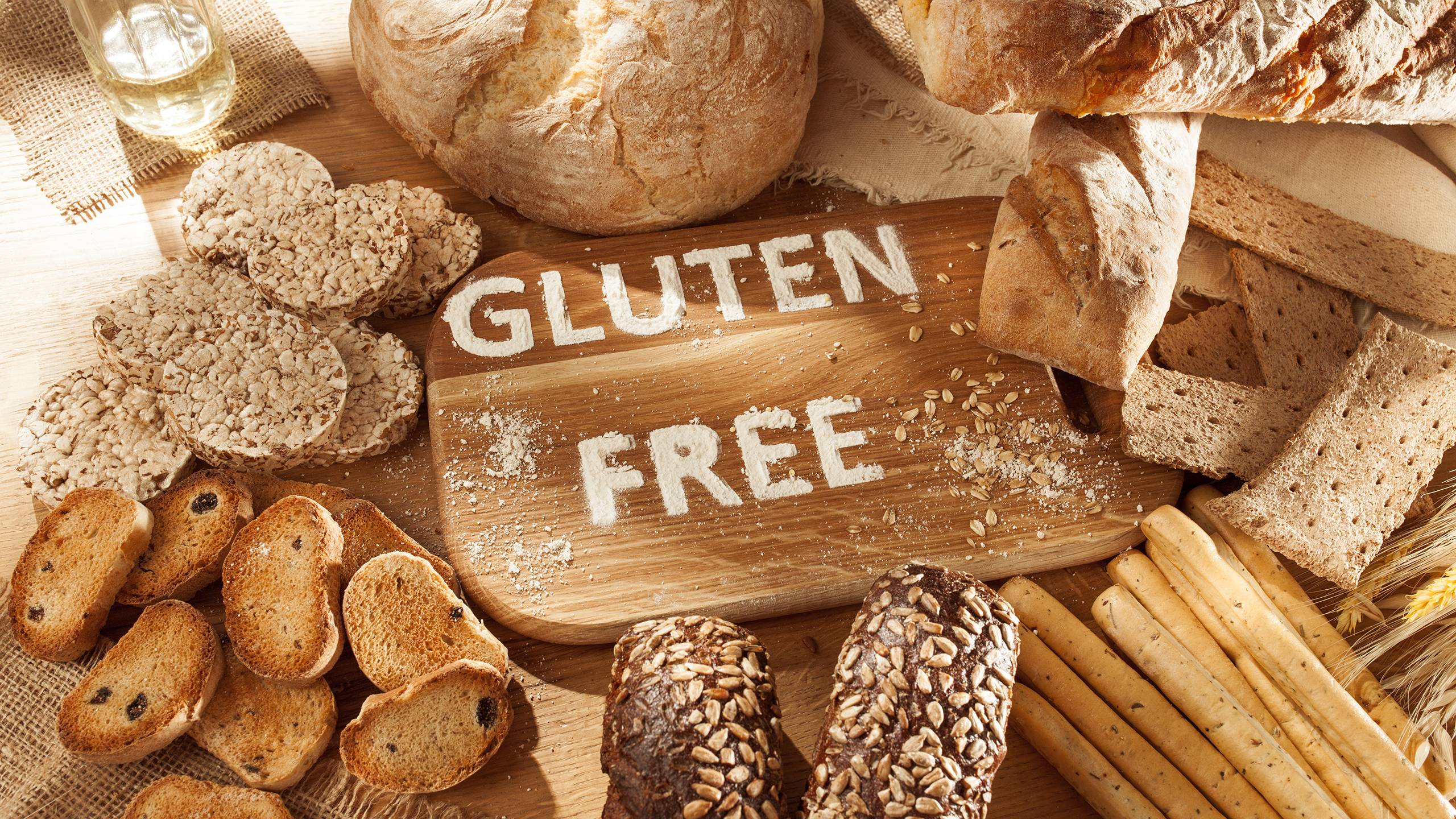
Gluten is a protein found in grains like wheat, barley, and rye. Since whey is derived from dairy, it doesn’t naturally contain gluten. This is why many people with celiac disease or gluten intolerance can safely consume whey protein. However, it’s crucial to understand that the manufacturing environment plays a significant role in determining whether your whey protein is truly safe for a gluten-free diet.
Is Whey Protein Naturally Gluten-Free? The Key Factors to Consider

While whey protein is gluten-free by nature, the risk of cross-contamination during production is a valid concern. Here’s what you need to know:
- Source Ingredients: Pure whey protein is made from milk and doesn’t include gluten-containing grains. However, some flavored whey proteins may contain additives like maltodextrin (which can be derived from wheat in some cases) or natural flavors that might be processed in facilities handling gluten.
- Manufacturing Facilities: Many whey protein supplements are produced in facilities that also process gluten-containing products. Even a tiny trace of gluten can cause issues for someone with celiac disease or severe gluten sensitivity. Always look for products labeled gluten-free or certified by organizations like the Gluten-Free Certification Organization (GFCO).
- Added Ingredients: Some whey protein products include fillers, sweeteners, or flavorings that may contain gluten. For example, certain brands use oat flour or barley malt in their products. Reading the ingredient list carefully is non-negotiable.
Whey Protein Concentrate vs. Isolate: Which Is Safer for Gluten-Free Diets?
If you're wondering whether one form of whey protein is safer than the other, here’s a quick breakdown:
- Whey Protein Concentrate (WPC): Contains about 70-80% protein, with the rest being lactose, fat, and some minerals. While WPC is naturally gluten-free, it may have a higher risk of cross-contamination during processing if the facility handles gluten.
- Whey Protein Isolate (WPI): Undergoes further processing to remove most lactose and fat, resulting in a purer protein (90%+). WPI is generally considered safer for those with gluten sensitivities because it’s more processed and less likely to contain traces of gluten from cross-contamination.
If you're gluten-sensitive, opting for a certified gluten-free whey protein isolate is your best bet to minimize risks.
Common Myths About Whey Protein and Gluten
There’s a lot of misinformation floating around about whey protein and gluten. Let’s debunk some of the most common myths:
- Myth: All whey protein contains gluten.Reality: Whey protein is derived from milk and doesn’t contain gluten naturally. However, some products may be contaminated during manufacturing.
- Myth: Only plant-based proteins are gluten-free.Reality: While many plant-based proteins (like soy or pea protein) are gluten-free, some—such as barley-based proteins—are not. Whey protein can be a safe alternative for those who tolerate dairy.
- Myth: If it’s not labeled gluten-free, it’s unsafe.Reality: Not all brands label their products as gluten-free, even if they’re safe. Always check the ingredient list and look for certification from trusted organizations.
How to Choose a Gluten-Free Whey Protein: A Buyer’s Guide
If you’re ready to add whey protein to your gluten-free diet, here’s how to pick a safe and effective product:
1. Look for Gluten-Free Certification
Certifications from organizations like GFCO, NSF, or the Celiac Support Association provide assurance that the product meets strict gluten-free standards (typically <20 parts per million of gluten).
2. Read the Ingredient List Carefully
Avoid products with:
- Wheat, barley, or rye (or derivatives like malt, maltodextrin, or brewer’s yeast).
- Natural flavors (unless specified as gluten-free).
- Additives like soy sauce or hydrolyzed wheat protein.
3. Check the Manufacturing Process
Some brands proudly state that their whey protein is produced in a dedicated gluten-free facility. This reduces the risk of cross-contamination significantly.
4. Opt for Isolate Over Concentrate (If Possible)
As mentioned earlier, whey protein isolate undergoes more processing, making it a lower-risk choice for those with gluten sensitivities.
5. Start with a Small Dose
If you’re new to whey protein or have celiac disease, introduce it gradually to monitor for any adverse reactions. Even certified gluten-free products can sometimes cause issues due to individual sensitivities.
Alternatives to Whey Protein for Gluten-Free Diets
While whey protein is a great option for many, it’s not suitable for everyone—especially those with dairy allergies or lactose intolerance. If you’re looking for alternatives, consider these gluten-free protein sources:
- Plant-Based Proteins: Pea protein, rice protein, hemp protein, and pumpkin seed protein are all naturally gluten-free.
- Casein Protein: Another dairy-derived protein that’s gluten-free but slower-digesting than whey.
- Collagen Protein: Derived from animal connective tissue, collagen is gluten-free and great for skin and joint health.
- Egg White Protein: A clean, gluten-free option that’s also rich in essential amino acids.
Always ensure that any alternative protein powder is certified gluten-free to avoid cross-contamination risks.
Final Verdict: Can You Safely Consume Whey Protein on a Gluten-Free Diet?
The answer is yes, but with caution. Whey protein itself is gluten-free, but the risk of cross-contamination during manufacturing means you can’t assume every product on the shelf is safe. By choosing certified gluten-free brands, reading labels meticulously, and opting for isolates when possible, you can enjoy the benefits of whey protein without worrying about gluten. Whether you're an athlete looking to boost performance, someone managing celiac disease, or simply aiming for a balanced diet, whey protein can be a valuable addition—as long as you make informed choices.
Remember, your health is the top priority. If you have celiac disease or a severe gluten sensitivity, always consult with a healthcare provider or dietitian before introducing new supplements into your diet. Stay informed, stay safe, and enjoy your gluten-free journey with confidence!
Leave a Comment
Comments are moderated before appearing. The data you submit is processed according to the Privacy Policy of Voltefac.