What Is Merino Wool And Its Global Impact Explained
Table of Contents
- Merino Wool Fundamentals: Biological Origins and Fiber Characteristics
- Genetic and Physiological Traits of Merino Sheep
- Fiber Diameter Comparison: Merino vs. Other Wool and Synthetic Fibers
- Performance Metrics: Merino Wool vs. Synthetic Fibers
- Textile Properties and Applications of Merino Wool
- Elasticity and Structural Resilience
- Moisture Regulation and Hydrophobic-Lanolin Interaction
- Natural Flame Resistance and Safety Applications
- Durability and Pilling Resistance
- Sustainability and Ethical Sourcing in Merino Wool Production
- Environmental Benefits of Merino Wool Production
- Certifications for Ethical Sourcing and Animal Welfare
- Conventional vs. Regenerative Wool Farming: Comparative Analysis
- Care and Maintenance of Merino Wool
- Washing Merino Wool Garments
- Drying Methods to Prevent Shrinkage and Distortion
- Identifying and Addressing Common Issues
- Storage Best Practices for Long-Term Preservation
- Cultural and Historical Significance of Merino Wool in Global Textiles
- Origins and Early Spread: Spain’s Monopoly and European Adoption
- Colonial Expansion and Global Trade Networks
- Traditional Applications: Military, Indigenous Crafts, and Everyday Wear
- 20th Century: Synthetic Fibers, Decline, and Niche Revival
- 21st Century: Sustainable Revival and Contemporary Applications
- Innovations and Future Trends in Merino Wool Processing
- Emerging Technologies in Merino Wool Processing
- Collaborations Driving Next-Generation Merino Products
- Future Applications of Merino Wool Beyond Apparel
- FAQ
- What is merino wool and why is it special?
- What is merino wool made from?
- What is merino wool good for?
- What is merino yarn and how is it different from regular yarn?
- What is merino possum wool and is it real?
- What is merino clothing and what makes it unique?
Merino wool represents a pinnacle of natural textile innovation, derived from the fine-fibered fleece of the Merino sheep—a breed renowned for its genetic precision in producing some of the world’s softest yet most durable fibers. Unlike conventional wool, which often carries associations with itchiness or bulk, merino wool distinguishes itself through microscopic structural advantages, including ultra-fine diameters (19–24 microns) that rival high-performance synthetics while delivering unparalleled breathability and temperature regulation. From ancient trade routes to modern high-tech apparel, its versatility has cemented its role as a cornerstone of sustainable and functional textiles, bridging historical craftsmanship with cutting-edge scientific advancements.
The fiber’s unique properties—stemming from its high crimp density, natural lanolin coating, and inherent elasticity—enable it to adapt seamlessly to diverse climates, from Arctic expeditions to urban commutes. Unlike polyester or nylon, which rely on chemical treatments for moisture management, merino wool achieves this organically, making it a favored material in base layers, outdoor gear, and even medical textiles. This exploration examines not only the biological and physical attributes that define merino wool but also its evolving significance in sustainability, ethical production, and future technological applications, positioning it as a textile of the past, present, and future.
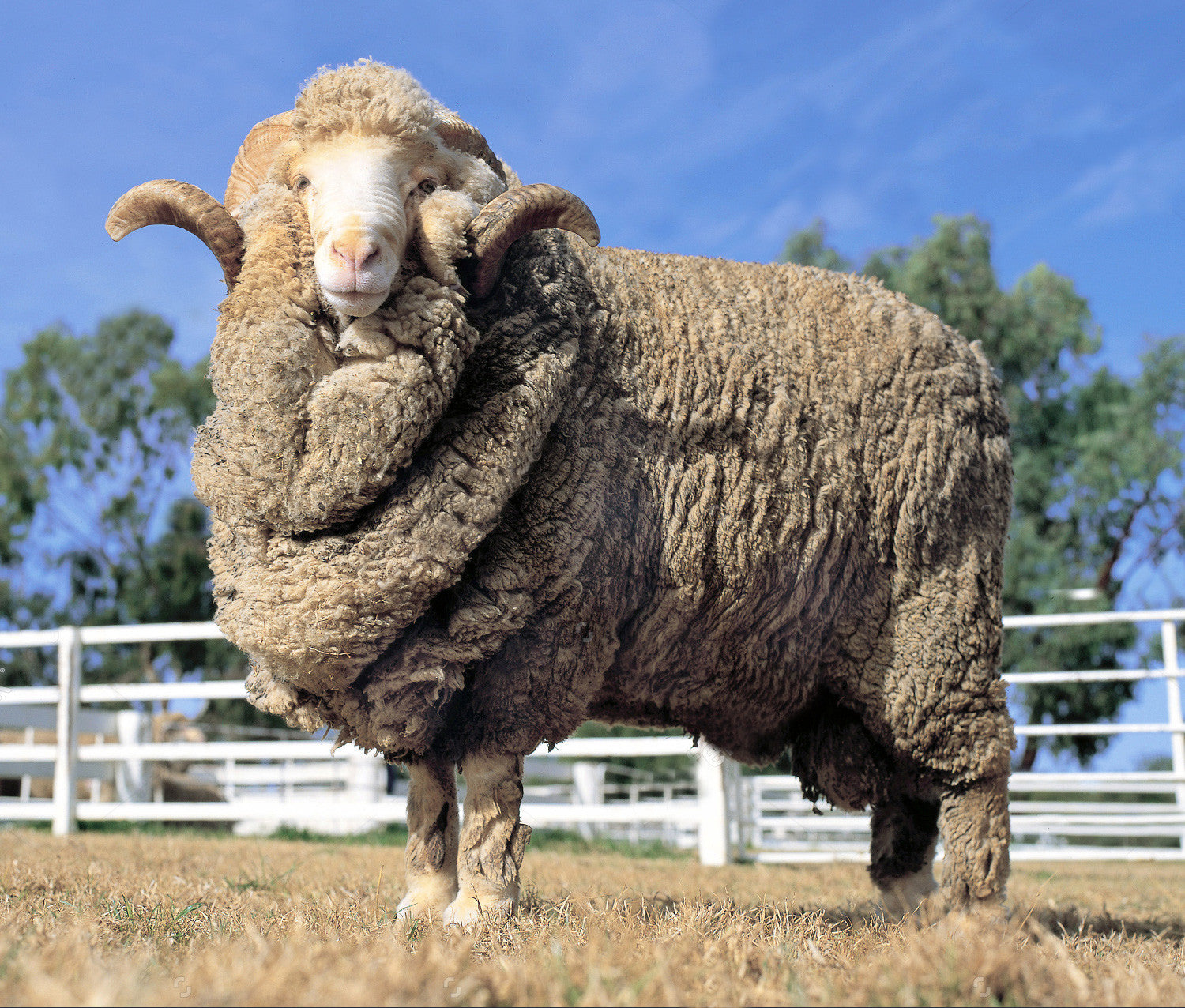
Merino Wool Fundamentals: Biological Origins and Fiber Characteristics
Merino wool stands apart in the textile industry due to its exceptional softness, thermal regulation, and moisture management—traits rooted in the genetic and physiological adaptations of the Merino sheep breed. Unlike coarse wool varieties, Merino fibers achieve their fine texture through evolutionary and selective breeding processes that optimize follicle density and crimp structure. These biological distinctions directly influence performance metrics such as warmth-to-weight ratio, breathability, and durability, distinguishing merino wool from both natural and synthetic alternatives.
The superior qualities of Merino wool originate from its genetic lineage, refined over centuries in regions like Spain and Australia. Modern Merino sheep are selectively bred to maximize fiber fineness, with follicle counts exceeding 20,000 per square inch—nearly double that of coarse wool breeds. This high density, combined with a tight crimp (waves per inch), enhances elasticity and insulation while reducing bulk. The interplay between these traits ensures Merino wool resists pilling, retains shape, and provides a luxurious hand feel unmatched by most synthetic fibers.
Genetic and Physiological Traits of Merino Sheep
The Merino breed’s dominance in fine wool production stems from three primary genetic adaptations:- Follicle Density and Fiber Count
Merino sheep possess 20,000–60,000 follicles per square centimeter, compared to 5,000–10,000 in coarse wool breeds. Higher follicle density yields thinner individual fibers, reducing itchiness and improving drape. Studies from the International Wool Textile Organization (IWTO) confirm that Merino fibers below 20 microns align closely with human hair diameter (17–181 microns), minimizing skin irritation.
- Crimp Structure and Elasticity
The crimp rate (waves per inch) in Merino wool ranges from 6–12, creating a spring-like texture that enhances insulation without added thickness. This crimp also improves dye absorption and pilling resistance, as fibers interlock more securely during processing. In contrast, coarse wool (e.g., Cheviot or Lincoln) exhibits 2–5 crimps per inch, resulting in stiffer, bulkier fabrics.
- Lanolin Composition
Merino wool’s natural lanolin content (10–20%) acts as a moisture barrier and antimicrobial agent, reducing odor retention. This contrasts with synthetic fibers, which rely on chemical treatments for similar effects. The lanolin’s ester-based structure also contributes to the fiber’s hydrophobic yet breathable properties, a balance synthetic polymers struggle to replicate.
Key Genetic Marker: The FGF5 gene, linked to hair follicle development in Merino sheep, suppresses excessive fiber coarsening, enabling consistent micron ranges below 24µm.
Fiber Diameter Comparison: Merino vs. Other Wool and Synthetic Fibers
Fiber diameter, measured in microns (µm), is the most critical determinant of wool quality, influencing texture, warmth, and durability. Merino wool’s fineness falls within a 13–24µm range, with premium grades (e.g., 15.5µm) approaching cashmere-like softness. Below is a comparative analysis of fiber diameters and their functional implications:| Fiber Type | Diameter Range (µm) | Texture | Warmth (per gram) | Breathability | Common Applications |
|---|---|---|---|---|---|
| Superfine Merino | 13–15.5 | Ultra-soft, silky | High (1.5x wool) | Excellent | Base layers, luxury knitwear |
| Fine Merino | 15.6–19 | Soft, smooth | High | Very Good | Everyday wear, performance apparel |
| Medium Merino | 19.1–24 | Slightly textured | Moderate-High | Good | Outerwear, blankets |
| Coarse Wool | 25–40 | Rough, itchy | Low (bulky) | Poor | Rugs, upholstery |
| Cashmere | 12–19 | Exceptionally soft | Very High | Excellent | High-end sweaters, scarves |
| Polyester | N/A (synthetic) | Smooth but plastic-like | Moderate | Poor | Activewear, fast fashion |
| Nylon | N/A (synthetic) | Durable, slightly slick | Low | Poor | Hiking gear, swimwear |
Performance Metrics: Merino Wool vs. Synthetic Fibers
The following table contrasts Merino wool with polyester and nylon across key performance criteria, highlighting the biological and structural advantages of natural fibers in textile applications:| Property | Merino Wool (15–20µm) | Polyester | Nylon |
|---|---|---|---|
| Breathability | Excellent (open fiber structure, 30–50% air gaps) | Poor (dense, traps sweat) | Poor (hydrophobic, limits airflow) |
| Moisture-Wicking | Natural (absorbs 30% weight in moisture) | Moderate (relies on wicking treatments) | Moderate (hydrophilic variants exist) |
| Durability | High (elasticity from crimp, resists abrasion) | Very High (resistant to stretching) | Very High (abrasion-resistant) |
| Thermal Regulation | Dynamic (insulates when wet, breathable when dry) | Static (traps heat, poor temperature adaptability) | Static (retains heat, prone to overheating) |
| Odor Resistance | Natural (lanolin antimicrobial properties) | Chemical treatments required | Chemical treatments required |
| Environmental Impact | Biodegradable, low water footprint (if sustainably sourced) | Microplastic pollution, petroleum-based | Microplastic pollution, petroleum-based |
| Cost per Kilogram | $15–$40 (varies by grade) | $1.50–$3.50 | $2.50–$5.00 |
Thermal Efficiency Insight: Merino wool’s loft (air trapped in crimps) provides 4x the insulation of polyester per gram, making it ideal for layering in extreme conditions. Synthetic fibers, while lightweight, rely on bulk rather than efficiency.Key Limitation of Synthetics:
Textile Properties and Applications of Merino Wool
Merino wool stands as a benchmark in performance textiles due to its exceptional balance of natural attributes and functional versatility. Unlike synthetic fibers or coarse wools, merino’s fine fiber diameter (typically 15–25 microns) enables superior softness while retaining structural integrity. These properties translate into tangible benefits across thermal regulation, durability, and moisture management, making it indispensable in high-performance apparel. The following sections dissect its physical characteristics and practical applications, emphasizing how microscopic traits yield macroscopic performance advantages in real-world textile engineering.Elasticity and Structural Resilience
Merino wool’s elasticity stems from its alpha-keratin protein structure, which allows fibers to stretch up to 30–50% of their original length without permanent deformation. This resilience is attributed to hydrogen bonding between cysteine-rich regions of the keratin molecules, enabling the fiber to recover shape even after repeated stress. Unlike synthetic elastanes (e.g., spandex), merino’s elasticity is inherently biodegradable and retains functionality across a wider temperature range (−40°C to +120°C).In apparel, this property is critical for:
Moisture Regulation and Hydrophobic-Lanolin Interaction
Merino wool’s moisture-wicking capability arises from its natural lanolin coating, a hydrophobic lipid that repels liquid water while allowing vapor transmission. The fiber’s crimp structure (wavy shape) creates microscopic air channels that facilitate evaporative cooling without saturation. Unlike polyester, which traps sweat against the skin, merino absorbs up to 30% of its weight in moisture before feeling damp, then releases it gradually through its porous surface.Key applications include:
Merino wool’s temperature-regulating mechanism operates through a three-phase system:
1. Insulation via trapped air: The fiber’s crimp creates dead-air spaces (up to 80% air by volume), reducing convective heat loss.
2. Lanolin-mediated vapor diffusion: Hydrophobic lanolin directs sweat vapor outward while blocking liquid water, preventing conductive cooling.
3. Dynamic thermal resistance: As body temperature rises, merino’s hygroscopic properties increase, enhancing evaporative cooling without overheating.
Natural Flame Resistance and Safety Applications
Merino wool exhibits inherent flame retardancy due to its high nitrogen and sulfur content, which promotes char formation rather than combustion. When exposed to flames, the fiber self-extinguishes upon removal and leaves a protective ash layer. Unlike treated synthetics (e.g., flame-retardant polyesters), merino’s resistance is intrinsic and does not degrade with washing or UV exposure.Critical use cases include:
Durability and Pilling Resistance
Merino’s fine fibers (15–25 microns) resist abrasion better than coarse wools (30+ microns) due to lower fiber-to-fiber friction. When blended with nylon or elastane (e.g., 70% merino/30% nylon), the resulting fabric achieves 3–5 times greater abrasion resistance than 100% cotton. The scale structure of merino fibers also minimizes pilling by reducing surface roughness, a common issue in coarse wools.Notable applications:
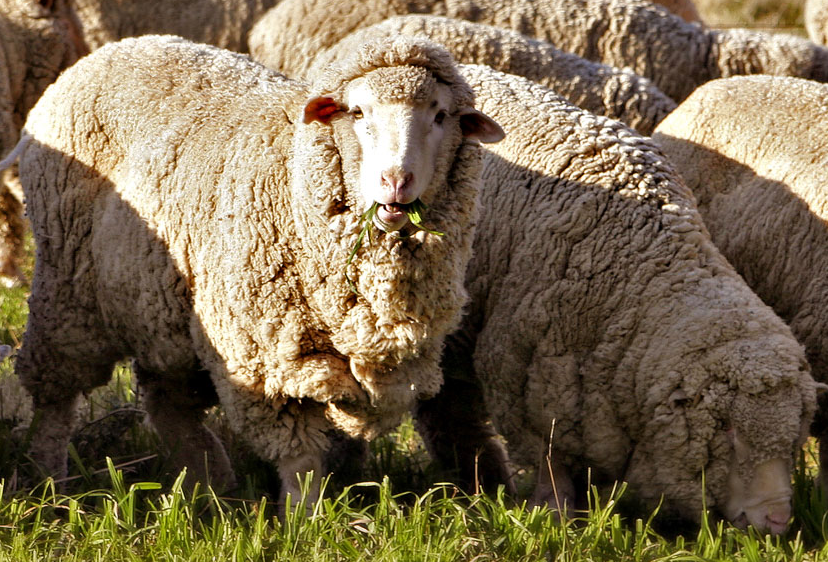
Sustainability and Ethical Sourcing in Merino Wool Production
Merino wool stands out as a natural fiber with inherent sustainability advantages, particularly when sourced through regenerative and ethical practices. Unlike synthetic alternatives, merino wool is fully biodegradable, requires minimal chemical processing, and supports land restoration through responsible grazing. Its production can align with circular economy principles, reducing reliance on water-intensive crops like cotton or petroleum-based fibers such as polyester. Ethical certifications further ensure transparency in animal welfare and environmental stewardship, distinguishing high-quality merino wool in the global textile market.The environmental and ethical dimensions of merino wool production extend beyond fiber properties to encompass land management, carbon sequestration, and welfare standards. Certifications like the Responsible Wool Standard (RWS) and ZQ Merino provide frameworks for traceability, while regenerative practices—such as rotational grazing and soil health monitoring—demonstrate how wool production can mitigate climate change. Below, the discussion explores these benefits, certification criteria, and a comparative analysis of conventional versus regenerative farming systems.
Environmental Benefits of Merino Wool Production
Merino wool production offers distinct ecological advantages over conventional textiles, particularly in resource efficiency, carbon footprint, and land restoration. Biodegradability ensures that wool fibers decompose naturally without microplastic pollution, unlike polyester, which persists in ecosystems for centuries. Water use in merino wool production is significantly lower than cotton, which requires up to 10,000 liters per kilogram for cultivation, while wool processing uses 39 liters per kilogram (including washing and dyeing). Additionally, sheep grazing can restore degraded lands by promoting biodiversity, improving soil structure, and sequestering carbon through plant growth.Carbon footprint comparisons reveal that merino wool emits less than half the greenhouse gases of polyester (per kilogram) and one-third of cotton’s footprint when accounting for land-use changes. Sheep also contribute to carbon sequestration by fertilizing soil with dung, which enhances microbial activity and organic matter. Studies from the International Wool Textile Organisation (IWTO) indicate that well-managed grazing systems can increase soil organic carbon by 20–30% over time, counteracting emissions from livestock.
Merino wool’s lifecycle assessment demonstrates a 30% lower environmental impact than cotton and 50% lower than polyester in categories like global warming potential and acidification, assuming regenerative practices. — European Wool Federation (2022)
Certifications for Ethical Sourcing and Animal Welfare
Certifications ensure that merino wool meets stringent ethical and environmental standards, addressing concerns over animal welfare, land degradation, and supply chain transparency. The Responsible Wool Standard (RWS), developed by the Textile Exchange, requires farmers to adhere to:ZQ Merino, an Australian initiative, focuses on high-quality, sustainable merino wool with additional criteria:
Other notable certifications include:
Certified wool (e.g., RWS or ZQ Merino) can command 10–20% premium prices in the market, reflecting consumer demand for transparency and sustainability. — McKinsey & Company (2023)
Conventional vs. Regenerative Wool Farming: Comparative Analysis
Regenerative farming practices in merino wool production address the environmental and ethical shortcomings of conventional systems. Below is a comparative table highlighting key differences in water use, methane emissions, and soil health:| Metric | Conventional Wool Farming | Regenerative Wool Farming | Environmental Impact |
|---|---|---|---|
| Water Use |
|
|
|
| Methane Emissions |
|
|
|
| Soil Health |
|
|
|
Care and Maintenance of Merino Wool
Merino wool garments are renowned for their durability, temperature regulation, and natural odor resistance, but their long-term performance depends on proper care. Unlike synthetic fibers, merino wool requires specific handling to preserve its structural integrity, moisture-wicking properties, and resistance to shrinkage. This section provides evidence-based guidelines for washing, drying, storage, and addressing common issues, emphasizing the role of the fiber’s biological and physical properties in maintaining its quality.
Washing Merino Wool Garments
Merino wool’s fine fiber structure and natural lanolin coating necessitate gentle washing methods to prevent felting, shrinkage, and fiber damage. The fiber’s crimp (wavy texture) allows it to interlock when agitated in water, leading to shrinkage if subjected to harsh mechanical action or high temperatures. Proper washing involves controlled temperature, pH-neutral detergents, and minimal agitation.
Key Principle: "Cold water (≤30°C/86°F) and low-impact washing preserve merino wool’s elasticity and prevent felting."
Temperature and Detergent Selection
Washing Process
Drying Methods to Prevent Shrinkage and Distortion
Merino wool’s high moisture regain (up to 30% of its weight) means improper drying can lead to permanent shrinkage or misshaping. The fiber’s elasticity allows it to stretch when wet, but if dried under tension or heat, it contracts irreversibly. Proper drying involves gentle removal of excess water followed by air-drying in a relaxed state.Critical Step: "Never wring, spin, or tumble-dry merino wool, as mechanical stress or heat disrupts the fiber’s crimp structure."Step-by-Step Drying Protocol
Drying Timeframes
Identifying and Addressing Common Issues
Merino wool’s natural properties—such as lanolin’s antimicrobial qualities and tight crimp—reduce odors and pilling compared to synthetic fibers, but improper care can still lead to pilling, moth damage, or persistent odors. Addressing these issues requires understanding the fiber’s biology and targeted solutions.Pilling: Causes and Solutions
Pilling occurs when fiber ends break and tangle due to friction, often exacerbated by abrasive washing or excessive wear. Merino’s fine diameter (15.5–19.5 microns) makes it more prone to pilling than coarser wools.
Prevention: "Regularly trim pills with a razor or pilling comb to maintain smoothness without damaging the fabric."
-
Preventive Measures
- Use wool-specific detergents to reduce fiber abrasion.
- Avoid rough fabrics (e.g., denim, corduroy) that cause friction.
- Store garments folded or loosely hung to minimize rubbing.
-
Remediation
- Shave pills with a razor or pilling comb (use a lint roller to catch debris).
- Fabric shaver attachments on vacuums can safely remove pills from knits.
- For severe pilling, professional garment steaming can restore smoothness.
Merino wool’s lanolin coating (1–5% by weight) inhibits bacterial growth, but sweat proteins and detergent residue can still cause odors if not managed. Unlike synthetics, merino does not retain odors permanently due to its breathability and self-cleaning lanolin.
Natural Odor Resistance: "Lanolin’s low pH (4.5–5.5) and antimicrobial peptides suppress odor-causing bacteria, but residual sweat requires proper washing."
-
Preventive Care
- Wash garments after 5–7 wears or when visibly soiled to prevent odor buildup.
- Use enzymatic detergents (e.g., Woolite) to break down sweat proteins.
- Air garments immediately after wear to reduce bacterial growth.
-
Odor Removal for Stubborn Cases
- Soak in cool water with white vinegar (1:4 ratio) for 30 minutes to neutralize odors.
- Baking soda paste (mixed with water) can be applied to stained areas before washing.
- UV sanitization (e.g., sunlight exposure) kills odor-causing bacteria naturally.
Wool moths (Tineola bisselliella) target keratin-rich fibers, including merino, due to their protein content. Prevention focuses on disrupting their lifecycle (larvae feed on wool) and removing eggs/cocoons.
Moth Life Cycle: "Eggs hatch in 3–10 days; larvae take 2–4 months to mature, making year-round prevention essential."
-
Preventive Storage
- Store wool in breathable cotton or muslin bags (moths cannot penetrate tightly woven fabrics).
- Use cedar blocks or lavender sachets (natural moth repellents) in drawers or closets.
- Vacuum storage areas regularly to remove eggs/cocoons.
-
Chemical and Physical Controls
- Wool-specific moth repellents (e.g., cedar oil sprays) applied to storage areas.
- Freezing garments at -18°C (0°F) for 72 hours kills moths and larvae.
- Professional fumigation with oxygen-deprivation chambers for severe infestations.
Storage Best Practices for Long-Term Preservation
Proper storage mitigates moisture damage, moth infestations, and fiber degradation by controlling humidity, light, and physical stress. Merino wool’s hygroscopic nature (absorbs up to 30% moisture) makes it vulnerable to mildew and bacterial growth if stored improperly.Optimal Storage Conditions: "Humidity <60%, temperature 15–20°C (59–68°F), and darkness prevent degradation."Environmental Controls

Cultural and Historical Significance of Merino Wool in Global Textiles
Merino wool has played a pivotal role in shaping textile traditions, economic systems, and global trade for centuries. Originating in the Iberian Peninsula, its fine fibers revolutionized clothing technology, military attire, and luxury fashion. From Spain’s 18th-century wool monopolies to Australia and New Zealand’s 20th-century dominance, merino’s adaptability has ensured its relevance across eras—bridging traditional craftsmanship with modern innovations like performance wear and sustainable textiles.The fiber’s journey reflects broader historical shifts: from colonial-era trade disputes to 21st-century ethical sourcing movements. This evolution underscores merino’s dual identity—as both a commodity driving economies and a material embedded in cultural narratives, from indigenous weaving techniques to high-tech apparel.
Origins and Early Spread: Spain’s Monopoly and European Adoption
Merino wool traces its lineage to the Merino sheep, selectively bred in 12th-century Spain under Moorish and Christian rule. The Spanish Crown enforced strict export bans to protect its lucrative wool industry, classifying merino as a state secret until the late 18th century. This monopoly collapsed in 1786 when King Charles III lifted restrictions, allowing European nations—particularly France and England—to acquire merino sheep and establish their own flocks.The fiber’s introduction to Europe marked a turning point in textile production:
Key milestone:
> 1786 – Spain’s Royal Decree permits merino sheep export, triggering a global race to replicate Spanish wool quality.
Colonial Expansion and Global Trade Networks
Spain’s initial dominance in merino wool was eclipsed by British and French colonial ambitions, which prioritized large-scale sheep farming in new territories. By the 19th century, merino flocks were introduced to:Trade dynamics:
Table: Merino Wool Trade Evolution
| Period | Key Regions | Trade Impact |
|---|---|---|
| 15th–18th c. | Spain (Iberian Peninsula) | State-controlled monopoly; luxury textiles |
| 18th–19th c. | Britain, France | Industrialization; military uniforms |
| 19th–early 20th c. | Australia, NZ, Argentina | Colonial economies; global supply chains |
| Mid–late 20th c. | Australia, NZ dominance | Synthetic fiber competition; niche markets |
Traditional Applications: Military, Indigenous Crafts, and Everyday Wear
Merino’s versatility extended beyond elite textiles, shaping functional and cultural uses worldwide. Traditional applications included:Military and labor attire:
Indigenous and folk textiles:
Everyday wear:
Quote:
> "Merino wool was the fabric of empire—light enough for soldiers, warm enough for explorers, and fine enough for kings." — Woolmark Company Historical Archives (1998)
20th Century: Synthetic Fibers, Decline, and Niche Revival
The mid-20th century presented merino’s first existential challenge: the rise of synthetic fibers (nylon, polyester, acrylic). By the 1960s, wool’s market share plummeted due to:Merino’s survival strategies:
Table: Merino’s 20th-Century Challenges and Innovations
| Challenge | Impact | Innovation |
|---|---|---|
| Synthetic competition | Market share loss (1960s–1980s) | Superwash technology (1970s) |
| Environmental concerns | Stigma of land use | Organic merino certification (1990s) |
| Labor cost increases | Decline in traditional weaving | Automated knitting (1990s–2000s) |
21st Century: Sustainable Revival and Contemporary Applications
The 21st century has redefined merino’s role through sustainability, technology, and ethical production. Key drivers include:Modern applications:
Innovations and Future Trends in Merino Wool Processing
Emerging advancements in textile science are redefining merino wool’s capabilities, blending traditional performance attributes with cutting-edge sustainability and functionality. Innovations in processing—such as superwash treatments, antimicrobial finishes, and fiber recycling—are expanding merino’s applications while addressing environmental and consumer demands. Collaborations between researchers, brands, and engineers are accelerating the development of next-generation products, from moisture-wicking fabrics to biodegradable dye systems. Beyond apparel, merino’s technical properties are positioning it as a versatile material in niche industries, including medical textiles and aerospace applications.The evolution of merino wool processing reflects a convergence of material science, biotechnology, and circular economy principles. These developments not only enhance performance but also mitigate industry challenges, such as water usage, chemical waste, and resource depletion. Below are key innovations driving this transformation, categorized by their technological and application-specific advancements.
Emerging Technologies in Merino Wool Processing
Recent breakthroughs in chemical, mechanical, and biological treatments are optimizing merino wool’s functional and sustainable properties. Superwash technologies, for instance, have evolved beyond traditional chlorine-based processes to incorporate enzymatic and plasma treatments, reducing felting and improving durability while minimizing environmental harm. Antimicrobial finishes—such as those derived from natural sources like tea tree oil or silver nanoparticles—are being integrated to extend garment longevity and reduce microbial odor, aligning with health-conscious consumer trends.Key advancements in processing include:
- Superwash 2.0: Next-generation superwash treatments utilize plasma technology or bio-based enzymes to enhance fiber resilience without compromising softness. Brands like Icebreaker and Woolmark have partnered with research institutions to develop chlorine-free systems that reduce water consumption by up to 70% compared to conventional methods.
Collaborations Driving Next-Generation Merino Products
Partnerships between textile scientists, fashion brands, and research institutions are accelerating the development of merino wool products with enhanced performance and sustainability. These collaborations often focus on niche applications where merino’s natural properties—such as thermoregulation, moisture management, and UV resistance—can be further optimized through engineering.Notable examples of collaborative innovation include:
- Moisture-Wicking Enhancements: The Australian Wool Innovation (AWI) and CSIRO developed a hydrophilic merino yarn infused with polyethylene glycol (PEG) to improve sweat absorption without compromising breathability. Brands like Under Armour and The North Face have licensed this technology for high-performance outerwear, reducing the need for synthetic blends.
Future Applications of Merino Wool Beyond Apparel
Merino wool’s technical properties—including biocompatibility, thermal regulation, and flame resistance—are expanding its use into industries traditionally dominated by synthetics or non-renewable materials. Research into merino’s structural and chemical characteristics is unlocking applications in healthcare, automotive, and aerospace sectors, where sustainability and performance are non-negotiable.Potential future applications include:
-
| Application | Technical Advantage of Merino Wool | Current Development Stage | Key Collaborators |
|---|---|---|---|
| Medical Textiles |
|
Pilot testing (e.g., merino-based hemostatic pads by Medline Industries). | CSIRO, Woolmark, University of Auckland |
| Automotive Interiors |
|
Prototyping (e.g., Mercedes-Benz exploring merino for seat upholstery). | Woolmark, German Wool Research Institute (DWI) |
| Aerospace and Space Suits |
|
Conceptual (e.g., NASA-funded research on merino for lunar habitat linings). | MIT Media Lab, Australian Defence Science and Technology Group (DSTG) |
FAQWhat is merino wool and why is it special?Merino wool is a fine, soft, and lightweight type of wool derived from Merino sheep, known for its exceptional softness, breathability, and temperature-regulating properties. It’s prized for its elasticity, moisture-wicking ability, and natural odor resistance, making it ideal for both clothing and outdoor gear. What is merino wool made from?Merino wool comes from the fleece of Merino sheep, a breed specifically bred for high-quality wool. The fibers are finer and more tightly crimped than those of other sheep, resulting in a softer, stronger, and more versatile yarn. What is merino wool good for?Merino wool is excellent for base layers, socks, gloves, and outdoor apparel due to its warmth without bulk, moisture-wicking properties, and UV protection. It’s also used in blankets, rugs, and high-end knitwear because of its durability and comfort against skin. What is merino yarn and how is it different from regular yarn?Merino yarn is made from the fine fibers of Merino sheep wool, producing a soft, lightweight, and stretchy yarn. Unlike coarser wool yarns, it’s less itchy, more breathable, and often used in fine knitting, crochet, and hand-spun projects for delicate fabrics. What is merino possum wool and is it real?There is no such thing as "merino possum wool"—it’s a myth or misinformation. Merino specifically refers to sheep’s wool, while possums (like the Australian possum) produce coarse, bristly fur used for brushes, not fine wool. What is merino clothing and what makes it unique?Merino clothing refers to garments made from Merino wool, known for being ultra-soft, breathable, and temperature-adaptive (cool in heat, warm in cold). It’s often used in athletic wear, travel clothing, and luxury fabrics because it’s lightweight, odor-resistant, and gentle on sensitive skin. |
Leave a Comment
Comments are moderated before appearing. The data you submit is processed according to the Privacy Policy of Voltefac.