What Is A Kaleidoscope Exploring Optical Art Science And History
Table of Contents
- Definition and Core Mechanics of a Kaleidoscope
- Optical Principles: Reflection and Symmetry
- Step-by-Step Breakdown of Optical Components
- Comparison of Mirror Configurations
- Light Path and Pattern Formation
- Historical Evolution and Cultural Impact of the Kaleidoscope
- Invention and Early Scientific Purpose
- Timeline of Key Developments in Kaleidoscope Design
- Influence on Art and Photography
- Scientific Principles Behind Kaleidoscope Patterns
- Symmetry Groups and Mirror Angles in Pattern Generation
- Fractal-Like Patterns and Natural Analogies
- Calculating Unique Patterns in a Kaleidoscope
- Color Theory and Visual Impact in Kaleidoscope Designs
- Types and Modern Variations of Kaleidoscopes
- Comparison of Traditional and Modern Kaleidoscope Designs
- Niche and Experimental Kaleidoscope Designs
- Material Comparison: Durability, Cost, and Pattern Clarity
- Technological Redefinition of Kaleidoscopes
- Creative and Practical Applications of Kaleidoscopes
- Therapeutic and Meditative Use of Kaleidoscopes
- DIY Kaleidoscope Construction Using Household Materials
- Integration of Kaleidoscopic Designs in Interior Design and Fashion
- FAQ
- What purposes does a kaleidoscope serve?
- How does a kaleidoscope function and create its patterns?
- How is a kaleidoscope constructed?
- What is a kaleidoscope migraine, and how is it related to migraines?
- What makes a kaleidoscope a good toy for kids?
- What is a kaleidoscope of butterflies, and how is it different?
A kaleidoscope transforms light into mesmerizing geometric symphonies, blending physics, art, and mathematics into a handheld masterpiece. At its core, this optical instrument relies on precise mirror arrangements and reflective surfaces to generate infinite, symmetrical patterns from even the simplest materials—beads, foil, or colored glass. Beyond its aesthetic allure, the kaleidoscope serves as a tangible bridge between abstract theory and tangible creativity, illustrating principles of symmetry, reflection, and color theory in ways that captivate both scientists and artists alike.
From its 19th-century origins as a scientific curiosity to its modern iterations in digital and interactive media, the kaleidoscope has evolved alongside technological advancements while retaining its fundamental role as a tool for exploration. Whether used in therapeutic practices, educational settings, or avant-garde design, its ability to inspire wonder underscores its enduring relevance across disciplines. This exploration delves into the mechanics behind its hypnotic patterns, its cultural legacy, and the innovative adaptations that continue to redefine its possibilities.
Definition and Core Mechanics of a Kaleidoscope
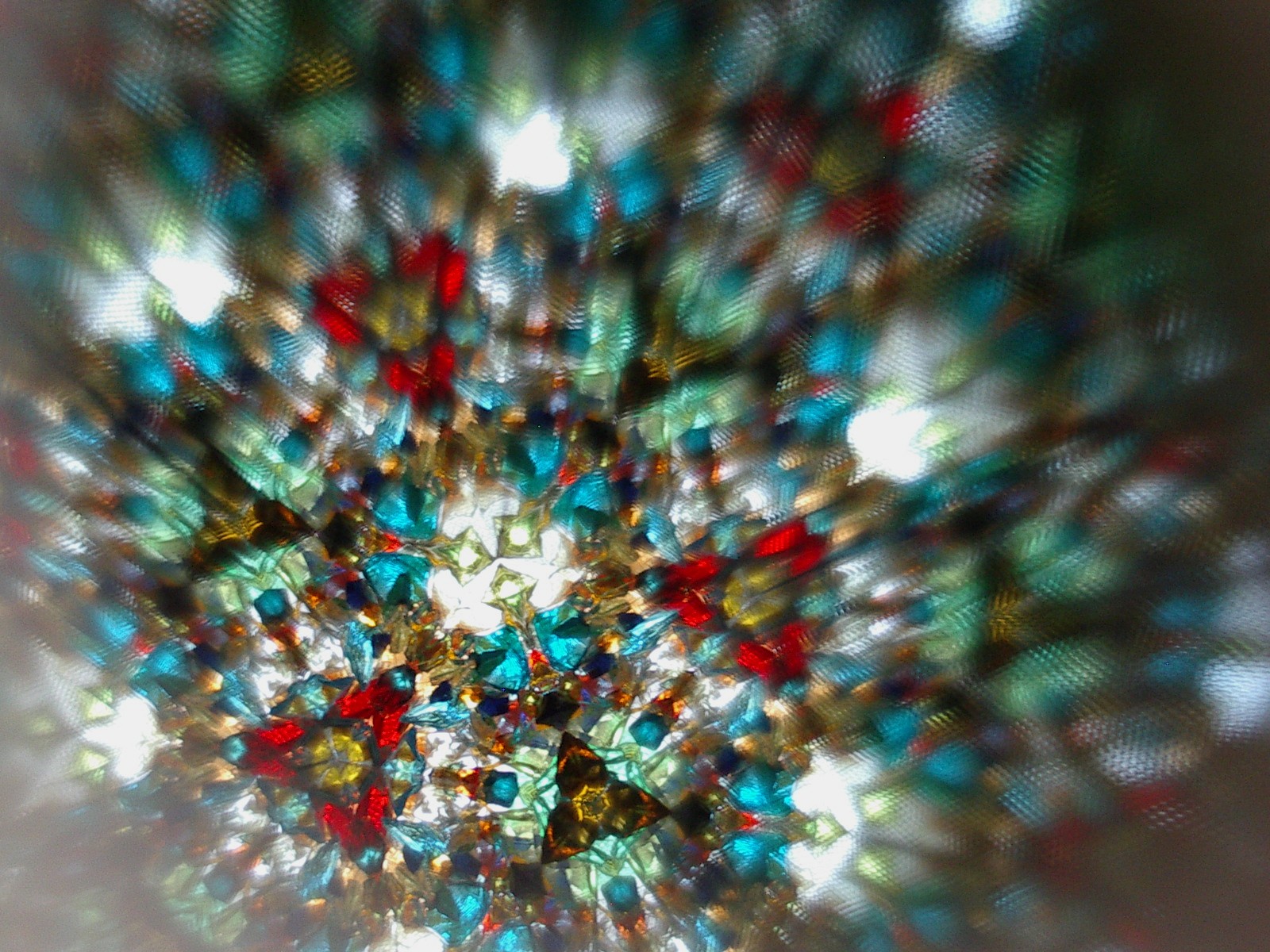
A kaleidoscope is an optical instrument that generates intricate, symmetrical patterns through the controlled manipulation of light via reflective surfaces and a moving object. Its core principle relies on the geometric repetition of light rays, governed by the laws of reflection and symmetry. The device transforms simple inputs—such as colored beads, foil, or glass fragments—into infinitely varied, mirror-image compositions. This interplay between physics and artistry produces visually compelling designs that have fascinated scientists and artists alike since its invention in the early 19th century.
The fundamental mechanism hinges on multiple internal reflections, where light entering the kaleidoscope undergoes successive reflections off angled mirrors, creating a tessellated effect. The symmetry of the pattern depends on the mirror configuration, the angle of incidence, and the arrangement of objects within the tube. Unlike cameras or telescopes, which rely on lenses to focus light, kaleidoscopes exploit specular reflection—the mirror-like reflection of light—to produce their signature geometric illusions.
Optical Principles: Reflection and Symmetry
The generation of kaleidoscopic patterns is governed by two key optical phenomena: regular reflection and symmetry operations. When light enters the device, it strikes the first mirror at an angle, reflecting toward a second mirror at a complementary angle. This process repeats, with each reflection adhering to the law of reflection (θincident = θreflected), ensuring that the light path remains predictable. The resulting symmetry arises from the dihedral group properties of the mirror arrangement, where rotations and reflections generate identical copies of the original image.For example, a triangular mirror configuration (three mirrors at 60° angles) produces sixfold rotational symmetry, while a hexagonal setup (six mirrors at 30° angles) yields twelvefold symmetry. The mathematical relationship between mirror angles and symmetry can be expressed as:
Symmetry Order = 360° / (Angle between mirrors)This formula determines the number of identical segments visible through the eyepiece, directly influencing the complexity of the pattern.
Step-by-Step Breakdown of Optical Components
The construction of a kaleidoscope involves three primary components, each contributing uniquely to pattern formation. Their arrangement and properties define the device’s optical behavior and aesthetic output.1. Mirror Assembly
The mirrors form the heart of the kaleidoscope, dictating the symmetry and clarity of the patterns. They are typically arranged in a polygonal cross-section (e.g., triangular, square, or hexagonal) and aligned at precise angles to ensure consistent reflections. The mirrors must be:
2. Object Chamber
Positioned between the mirrors and the eyepiece, this chamber houses the moving elements—such as beads, foil, or colored glass—that scatter and refract light. The objects must:
3. Viewing Tube and Eyepiece
The tube directs light from the mirror assembly to the observer’s eye, while the eyepiece (often a simple lens or magnifying glass) focuses the reflected patterns. Key considerations include:
Comparison of Mirror Configurations
The choice of mirror arrangement directly influences the symmetry, complexity, and visual appeal of the kaleidoscope’s output. Below is a comparative analysis of three common configurations, highlighting their optical properties and typical applications.| Property | Triangular (3 Mirrors) | Square (4 Mirrors) | Hexagonal (6 Mirrors) |
|---|---|---|---|
| Mirror Angle | 60° between mirrors | 45° between mirrors | 30° between mirrors |
| Symmetry Order | 6-fold (360° / 60°) | 8-fold (360° / 45°) | 12-fold (360° / 30°) |
| Pattern Complexity | Moderate; star-like or floral motifs | High; intricate, grid-like tessellations | Very high; dense, overlapping geometric shapes |
| Common Applications | Educational models, simple designs | Artistic kaleidoscopes, jewelry inlays | Professional-grade instruments, large-scale installations |
| Light Efficiency | Moderate (light loss between reflections) | High (minimal leakage in square symmetry) | Low (high number of reflections reduces brightness) |
| Example Use Case | Child’s toy or basic demonstration | Vintage kaleidoscopes (e.g., 1850s designs) | Modern artistic installations or scientific visualization |
Light Path and Pattern Formation
The transformation of light into a kaleidoscopic pattern follows a predictable sequence, beginning with the user’s introduction of light into the device. Below is a descriptive breakdown of the process, illustrated conceptually without visual aids.1. Light Entry
Light enters the kaleidoscope through the eyepiece or an external light source (e.g., ambient light or a flashlight). The angle of incidence is critical; light striking the mirrors at non-perpendicular angles undergoes multiple internal reflections, ensuring that each reflection adheres to the mirror’s geometric constraints.
2. Mirror Reflections
As light reflects off the first mirror, it encounters the second mirror at a complementary angle, creating a virtual image that appears to originate from behind the mirror. This process repeats across all mirrors, with each reflection acting as a new light source for subsequent reflections. The number of reflections equals the symmetry order (e.g., 6 reflections in a triangular setup).
3. Object Interaction
The moving objects within the chamber (e.g., beads or foil) scatter and refract the reflected light, introducing color variation and texture. The objects’ positions relative to the mirrors determine the pattern’s contrast and sharpness. For instance:
4. Symmetrical Projection
The combined reflections project a tessellated image onto the eyepiece, where the observer perceives a seamless, repeating pattern. The symmetry ensures that rotating the kaleidoscope alters the pattern without breaking its structural integrity. The final output is a Möbius strip-like continuity, where the design appears infinite despite its finite components.
Key Role of the Object Chamber
The objects within the chamber serve as light modulators, breaking the uniformity of reflections and introducing randomness. Their placement must balance:
For example, a chamber filled with iridescent beads will produce a pattern rich in color shifts, whereas black beads on a white background yield high-contrast geometric shapes. The interplay between the objects and mirrors ensures that no two kaleidoscopes—even with identical configurations—produce identical patterns.
Historical Evolution and Cultural Impact of the Kaleidoscope
The kaleidoscope emerged as a convergence of optical science and Victorian-era fascination with symmetry, transcending its origins as a scientific curiosity to become a cultural phenomenon. Invented in 1816 by Sir David Brewster, a Scottish physicist and inventor, the device was initially designed as an optical demonstration tool to illustrate principles of light reflection and symmetry. Brewster’s patent, filed in 1817, described a "kaleidoscope" (from the Greek kalos [beautiful], eidos [form], and skopein [to view]) as a portable instrument for observing "an infinite variety of figures." Its immediate popularity, however, lay not in academia but in its ability to captivate audiences with mesmerizing, ever-changing patterns—transforming it into a staple of 19th-century entertainment.
The kaleidoscope’s cultural trajectory reflects broader shifts in material innovation, artistic movements, and societal trends. From its early glass-and-metal construction to later adaptations in plastic and mass-produced designs, each evolution mirrored technological advancements while catering to evolving aesthetic sensibilities. Its influence extended beyond mere novelty, inspiring artists, photographers, and even military strategists to reinterpret symmetry and perception. Below, the timeline of its development, cultural adaptations, and artistic legacy are examined through key milestones, material transitions, and notable anecdotes that underscore its enduring significance.
Invention and Early Scientific Purpose
The kaleidoscope’s invention in 1816 by Sir David Brewster marked a pivotal moment in the intersection of physics and visual art. Brewster, already renowned for his work on polarization and the invention of the stereoscope, sought to create a device that could visually demonstrate the mathematical principles of reflection and symmetry. His original design consisted of two mirrors arranged at an angle (typically 60 degrees), a third mirror at the base, and colored glass or gemstone fragments housed in a cylindrical tube. The device’s optical properties allowed users to observe symmetrical, repeating patterns when viewed through an eyepiece—a phenomenon Brewster described as "an endless variety of figures."The kaleidoscope’s initial reception was mixed: while scientists praised its educational value, it quickly gained traction among the general public. Brewster’s 1817 patent noted that the device could be "applied to the purposes of amusement," a shift that foreshadowed its future as a consumer product. Unlike earlier optical toys, such as the camera obscura or zax (a precursor using rotating mirrors), the kaleidoscope’s simplicity and portability made it accessible. Within months of its debut, it became a sensation in London’s drawing rooms, where it was used as both a parlor game and a conversation piece. Brewster’s own commercial success with the kaleidoscope funded further scientific research, including his later work on photography and the invention of the lensatic compass for military use.
Timeline of Key Developments in Kaleidoscope Design
The evolution of the kaleidoscope’s design paralleled advancements in materials science, manufacturing techniques, and cultural tastes. Below is a chronological overview of innovations that shaped its form and function, from Brewster’s original model to modern adaptations.1816–1830: The Victorian Era and Mass Production
The kaleidoscope’s first decade saw rapid commercialization, driven by demand from Europe and America. Brewster’s initial designs used hand-cut glass mirrors and colored gemstones (such as rubies, sapphires, and amethysts), which were expensive and limited production. By the 1820s, manufacturers in Germany and France began producing cheaper versions using pressed glass and stained paper cutouts, making the device accessible to middle-class consumers. The Victorian fascination with symmetry and nature further fueled its popularity, with kaleidoscopes often marketed as tools for "mental relaxation" or "aesthetic contemplation." In 1830, the London Kaleidoscope Manufactory became one of the first dedicated producers, offering over 100 designs, including themed versions (e.g., floral, geometric, or celestial patterns).
1840–1870: Industrial Revolution and Material Innovations
The mid-19th century brought metallurgy and glassblowing advancements, allowing for lighter, more durable kaleidoscopes. Brass and nickel-plated metal tubes replaced earlier wooden or ivory casings, while prismatic mirrors (using multiple reflective surfaces) enabled more complex patterns. The Art Nouveau movement (late 1800s) embraced the kaleidoscope’s organic, flowing designs, leading to collaborations between opticians and artists. In 1860, the French optician Louis Duc de Chaulnes introduced the "kaleidoscope à reflets" (reflection kaleidoscope), which used semi-transparent mirrors to create layered, translucent effects. Meanwhile, American manufacturers like Keuffel & Esser produced educational versions for schools, emphasizing geometry and optics.
1880–1920: Plastic Revolution and Global Adaptations
The late 19th and early 20th centuries saw the transition from glass to celluloid and Bakelite, the first synthetic plastics. This shift reduced costs and allowed for brighter, more vibrant colors (via aniline dyes) and intricate, molded patterns. The Victorian "kaleidoscope craze" extended to Japan, where artists like Kawase Hasui incorporated its symmetrical motifs into ukiyo-e prints. In Russia, the Fabergé Workshop produced luxury kaleidoscopes as gifts for the imperial family, often encrusted with enamel and precious stones. The psychedelic movement of the 1960s later revived the kaleidoscope’s appeal, with artists such as Brion Gysin and William S. Burroughs using it as a metaphor for altered perception.
1950–Present: Digital and Interactive Adaptations
The late 20th century introduced electronic and digital kaleidoscopes, replacing mirrors with LCD screens and algorithms to generate dynamic patterns. Companies like Spacematic (founded in 1967) pioneered kaleidoscopic projectors, used in light shows and psychedelic concerts. Today, 3D-printed kaleidoscopes and augmented reality (AR) apps (e.g., "KaleidoPaint") allow users to create and share custom designs. Meanwhile, minimalist and kinetic art continues to draw inspiration from its principles, as seen in works by Anish Kapoor and James Turrell, who explore light and symmetry in large-scale installations.
Influence on Art and Photography
The kaleidoscope’s symmetrical, hypnotic patterns influenced multiple artistic movements, from Art Nouveau’s organic forms to psychedelic art’s exploration of perception. Its impact can be traced through three key areas: graphic design, photography, and conceptual art.Art Nouveau and the Language of Symmetry
Art Nouveau (1890–1910) celebrated curvilinear forms and natural motifs, aligning with the kaleidoscope’s ability to generate endless, repeating patterns. Designers like Alphonse Mucha and Gustav Klimt incorporated kaleidoscopic symmetry into posters, jewelry, and architecture. Mucha’s Zodiac series (1896) features radiating, floral compositions reminiscent of a kaleidoscope’s mirrored reflections. Similarly, Charles Rennie Mackintosh’s Glasgow School of Art (1896–1909) used geometric symmetry in its stained-glass windows, a direct homage to the kaleidoscope’s optical principles. The Vienna Secession movement, led by Klimt, also adopted kaleidoscopic gold leaf patterns in works like The Kiss (1907–08), blending Byzantine mosaics with modernist abstraction.
Psychedelic Art and the Counterculture
The 1960s saw the kaleidoscope re-emerge as a symbol of expanded consciousness, particularly in psychedelic art and music. The Beat Generation writer Brion Gysin used a kaleidoscope to inspire his cut-up technique, a method of rearranging text to create new meanings—a precursor to William S. Burroughs’ The Cut-Up Trilogy. Meanwhile, rock posters for bands like The Beatles and Pink Floyd (e.g., Sgt. Pepper’s Lonely Hearts Club Band cover, 1967) featured kaleidoscopic swirls and fractal-like designs, reflecting the era’s fascination with LSD-induced visual hallucinations. The Hippie movement adopted kaleidoscopes as portable "mind-expansion" tools, often paired with psychedelic lighting at
Scientific Principles Behind Kaleidoscope Patterns
Kaleidoscopes transform simple geometric arrangements and optical principles into intricate, symmetrical visual spectacles. Their designs rely on fundamental mathematical concepts—symmetry groups, geometric transformations, and color theory—to generate patterns that range from crystalline precision to organic complexity. By examining the interplay between mirror angles, reflection laws, and perceptual psychology, the underlying mechanics of kaleidoscopic imagery become both a study in applied mathematics and an exploration of human visual perception.The mathematical foundation of kaleidoscope patterns is rooted in symmetry operations, where reflections, rotations, and translations produce repeating motifs. These operations adhere to the principles of group theory, particularly dihedral groups (Dₙ) and cyclic groups (Cₙ), which classify the symmetries achievable with n mirrors arranged at specific angles. The resulting patterns often exhibit tessellations, where shapes fill a plane without gaps, or fractal-like self-similarity, mimicking structures found in nature such as snowflakes or fern fronds.
Symmetry Groups and Mirror Angles in Pattern Generation
The geometric configuration of mirrors in a kaleidoscope determines the symmetry group governing its patterns. For a kaleidoscope with n mirrors, the angle between adjacent mirrors, denoted as α, follows the formula:α = 360° / nThis angle dictates the order of rotational symmetry (Cₙ) and the reflectional symmetry (Dₙ) of the resulting patterns. For example:
The complexity of patterns scales with the number of mirrors and their arrangement. A kaleidoscope with prime-numbered mirrors (e.g., n = 5, 7) generates asymmetrical tessellations, while composite-numbered mirrors (e.g., n = 6, 8) produce superimposed symmetries, such as hexagonal grids overlaid with square sub-patterns.
Fractal-Like Patterns and Natural Analogies
Kaleidoscopes generate recursive symmetry, where smaller versions of a pattern repeat within larger structures, akin to fractals in nature. This phenomenon arises from the infinite reflection of objects within the mirrored chamber, creating an illusion of depth and self-similarity. Key comparisons include:The depth of recursion depends on:
- The angle of view through the eyepiece, which determines how many reflective iterations are visible.
- The object’s position within the chamber, where central placement maximizes symmetry, while off-center objects introduce asymmetrical fractal distortions.
- The curvature of mirrors, where concave or convex mirrors alter the perspective scaling, creating either expanding or compressing fractal effects.
Calculating Unique Patterns in a Kaleidoscope
The number of distinct patterns generated by a kaleidoscope with n mirrors depends on:1. The symmetry group (Dₙ or Cₙ).
2. The object’s placement (central vs. peripheral).
3. The color and transparency of objects.
4. The angle of observation.
The minimum number of unique patterns (P) for a given n mirrors can be approximated using the Burnside’s Lemma from group theory, which accounts for symmetries that leave the pattern unchanged:
P ≈ (1/|G|) Σ |Fix(g)| where:Practical Procedure for Calculation:
G = symmetry group (Dₙ or Cₙ), Fix(g) = patterns invariant under group action g, |G| = order of the group (2n for Dₙ, n for Cₙ).
- Determine the symmetry group:
- For n mirrors arranged symmetrically, use dihedral group Dₙ (e.g., hexagonal kaleidoscope: D₆).
- For rotational-only symmetry (e.g., a spinning kaleidoscope), use cyclic group Cₙ.
- Identify object constraints:
- Central placement: Objects aligned with the axis of rotation reduce Fix(g) to n (for Cₙ) or 2n (for Dₙ).
- Off-center placement: Increases Fix(g) due to additional asymmetrical reflections.
- Account for color and transparency:
- Opaque objects: Limit reflections to visible surfaces, reducing P.
- Translucent objects: Enable multi-layered reflections, increasing P exponentially.
- Apply Burnside’s Lemma:
- For a hexagonal kaleidoscope (D₆) with a central object: P ≈ (1/12) (6 + 6 + 2 + 0 + 0 + 0) = 1 (only one unique pattern due to full symmetry).
- For an off-center object in a pentagonal kaleidoscope (D₅): P ≈ (1/10) (5 + 5 + 0 + 0 + 0 + 0 + 0 + 0 + 0 + 0) = 1 (but with rotational variants, P increases to 5).
Color Theory and Visual Impact in Kaleidoscope Designs
The perceptual harmony of kaleidoscope patterns is governed by color theory, where contrast, saturation, and complementary hues enhance or diminish visual complexity. Key principles include:- Complementary Colors and Contrast:
- High-contrast pairs (e.g., red/cyan, blue/yellow) create vibrant, dynamic patterns by maximizing luminance contrast, which dominates perception.
- Example: A kaleidoscope with red and green gems against a black background produces sharp, high-contrast tessellations, while muted pastels (e.g., lavender and sage) yield softer, blended effects.
- Low-contrast designs (e.g., gray-scale or analogous colors) emphasize symmetry over color, making geometric structures more discernible.
- Saturation and Depth Perception:
- High-saturation colors (e.g., pure red, electric blue) appear closer to the viewer due to chromatic aberration effects in reflections, creating a layered depth illusion.
- Desaturated colors (e.g., muted teal, dusty rose) reduce visual noise, allowing subtle symmetry variations to stand out.
- Gradient effects: Objects with radial color gradients (e.g., blue-to-purple) enhance the fractal-like recursion, as each reflection subtly shifts hue.
- Color Distribution and Pattern Coherence:
- Uniform color placement (e.g., all red gems) produces monochromatic symmetry, ideal for minimalist designs.
- Randomized color placement (e.g., mixed hues) introduces controlled chaos, increasing perceived complexity without
- Utilize a tubular body with two or three mirrors arranged at angles (e.g., 60° for hexagonal symmetry).
- Incorporate loose objects (e.g., beads, confetti, or gemstones) or fixed color filters to create patterns.
- Require manual rotation to alter visual outputs, emphasizing tactile engagement.
- Limitation: Patterns are static unless the device is physically manipulated.
- Feature a longer barrel with a lens at one end, projecting patterns onto a screen or surface.
- Often used in educational settings to demonstrate light reflection and symmetry.
- May include adjustable mirrors for dynamic pattern generation.
- Limitation: Bulkier design restricts portability compared to hand-held versions.
- Replace physical mirrors with LED matrices, liquid crystal displays (LCDs), or laser projection systems.
- Generate patterns algorithmically, allowing for real-time animation and interactivity.
- Examples include:
- Digital Kaleidoscope Apps (e.g., KaleidoPaint for iOS/Android), which use touchscreen inputs to morph geometric designs.
- Projection Mapping Installations (e.g., Kaleidoscope Dome by TeamLab), where patterns are projected onto curved surfaces with motion sensors.
- Advantage: Infinite customization via software, eliminating material constraints.
- Integrate sensors (e.g., gyroscopes, cameras, or biometric inputs) to respond to user movement or environmental data.
- Often deployed in museums or public spaces (e.g., Kaleidoscope Forest at the Cooper Hewitt Smithsonian Design Museum).
- Combine sound and light for multisensory experiences.
- Advantage: Adaptability to contextual narratives or data visualization.
- Mechanism: Employ fiber optics or recursive mirror systems to create self-replicating patterns without a visible termination point.
- Example: The Infinite Mirror Room (e.g., at the M.C. Escher Museum) uses tilted mirrors to extend reflections infinitely, though not strictly a kaleidoscope, it shares recursive optical principles.
- Application: Used in immersive art installations or meditation spaces to induce perceptual disorientation.
- Challenge: Requires precise alignment to avoid visual distortion over long distances.
- Mechanism: Combine holographic film with traditional reflective elements to produce three-dimensional, floating patterns.
- Example: HoloKaleidoscope prototypes (developed by optical engineers) project volumetric light fields using diffractive optics.
- Advantage: Patterns appear to "emerge" from the device, enhancing depth perception.
- Limitation: High production cost due to holographic material requirements.
- Mechanism: Replace solid mirrors with electrochromic liquid crystals that alter reflectivity under electrical stimulation.
- Example: Smart Kaleidoscopes (e.g., research prototypes by MIT Media Lab) use dynamic pixel arrays to shift patterns in response to touch or voice commands.
- Advantage: Energy-efficient and programmable, enabling real-time pattern generation.
- Application: Potential use in adaptive signage or neurofeedback devices for therapeutic visualization.
- Glass remains the gold standard for high-end optical clarity but is impractical for large-scale or interactive designs due to fragility.
- Acrylic offers a cost-effective alternative for prototypes and educational tools, though UV exposure degrades transparency over time.
- Metals are ideal for durable structural components but are rarely used for reflective surfaces due to light scattering.
- Liquid crystals enable unprecedented interactivity but require active electronics, limiting their use to high-tech applications.
- Plastics dominate consumer markets for their affordability, though trade-offs in longevity and optical fidelity exist.
- Stress Reduction: The mesmerizing symmetry triggers the parasympathetic nervous system, counteracting the "fight-or-flight" response.
- Enhanced Focus: The brain’s need to track shifting patterns engages selective attention, improving concentration in individuals with ADHD or anxiety.
- Emotional Regulation: The act of rotating the kaleidoscope encourages mindful breathing, linking physical movement to mental clarity.
- Cognitive Stimulation: Complex designs challenge the brain to process fractal geometry, potentially enhancing spatial reasoning.
- Two rectangular mirrors (e.g., discarded picture frames or small mirror tiles, ~5 cm × 10 cm).
- Cardboard or thick paper (for the tube and end caps).
- Colored glass beads, sequins, or small reflective objects (e.g., confetti, broken CD pieces).
- Black duct tape or electrical tape.
- A cylindrical object (e.g., toilet paper roll, PVC pipe) for the tube base.
- Scissors, ruler, and pencil.
- Glue (e.g., hot glue gun or strong adhesive).
- Cut the mirrors into triangular or trapezoidal shapes to form a 60° or 90° angle when joined. A 60° angle creates a hexagonal pattern, while 90° yields a square-based design.
- Example: For a hexagonal kaleidoscope, cut two mirrors into equilateral triangles (each side ~7 cm) and attach them along one edge using tape, leaving a small gap (~1 mm) to prevent light leakage.
- Measure and cut the cylindrical base (e.g., toilet paper roll) to a length of 10–15 cm.
- Cover the tube with black tape or paper to reduce internal light scattering, ensuring only reflected light from the mirrors is visible.
- Create end caps from cardboard: one with a viewing hole (diameter ~1 cm) and the other to hold the mirrors and colored objects.
- Insert the mirrored assembly into the object end cap, securing it with tape. Leave space (~2 cm) for colored objects.
- Fill the remaining space with small reflective items (e.g., beads, sequins) to generate patterns.
- Attach the object cap to the tube, then seal the viewing end with the viewing hole cap.
- Hold the kaleidoscope up to light and rotate it. Adjust the mirror angle or add/remove objects to refine the pattern complexity.
- For portability, reinforce the structure with additional tape or a thin wooden dowel inserted through the tube.
- Lens-Based Kaleidoscopes: Replace one mirror with a convex lens to project patterns onto a surface.
- Digital Kaleidoscopes: Use a smartphone camera and reflective surfaces to create virtual kaleidoscopic effects via apps.
- Sound-Activated Kaleidoscopes: Incorporate a piezoelectric element to vibrate the mirrors, syncing patterns with music.
- Lighting: Stained-glass kaleidoscope lamps project shifting patterns onto walls, mimicking the effect of a traditional kaleidoscope. Brands like Tom Dixon and Louis Poulsen have incorporated similar designs into modern lighting.
- Wall Treatments: Geometric wallpaper with mirrored or prismatic elements reflects light in multiple directions, creating an immersive environment. Companies such as House of Hackney use kaleidoscopic prints to add depth to minimalist spaces.
- Furniture: Mirrored coffee tables or kaleidoscope-inspired sideboards (e.g., designs by Philip Jeffries) use reflective surfaces to multiply visual elements, making rooms appear larger.
- Textiles: Patterned fabrics with rotational symmetry (e.g., Ikat weaves or digital prints) simulate kaleidoscopic effects when draped or viewed from different angles. Brands like Missoni and Etro frequently employ such designs in upholstery and curtains.
- Printed Fabrics: Optical illusion dresses (e.g., Alexander McQueen’s "Eye of the Cat" collection) feature mirror-like sequins that reflect light in unpredictable ways.
- Jewelry: Kaleidoscope pendants or geometric earrings (e.g., designs by David Yurman) incorporate prismatic cut gemstones to scatter light into spectral patterns.
- Footwear: Reflective sneakers (e.g., Adidas’ "Mirrorball" shoes) use micro-mirror technology to create kaleidoscopic effects when walked upon.
- Eyewear: Prismatic sunglasses (e.g., Ray-Ban’s "Luna" collection) distort peripheral vision into symmetrical fractals, blending functionality with artistic expression.
- Scale and Proportion: Large kaleidoscopic patterns (e.g., wall murals) dominate spaces, while small-scale applications (e.g., throw pillows) add subtle texture.
- Lighting Coordination: Fiber optic lighting or LED strips behind translucent kaleidoscopic panels enhance the
The kaleidoscope remains a testament to the intersection of art and science, where mathematical precision meets visual poetry. Its patterns, born from the interplay of light and symmetry, transcend mere decoration to become instruments of meditation, education, and creative expression. As technology reshapes its form—from traditional handcrafted tubes to augmented reality projections—the kaleidoscope’s essence endures: a dynamic canvas where reflection, both literal and metaphorical, reveals new dimensions of perception. Whether held in the palm of a child’s hand or embedded in a digital installation, its magic lies in the endless transformations it offers, inviting each observer to discover their own symmetry within its infinite designs.
Types and Modern Variations of Kaleidoscopes
Kaleidoscopes have evolved from their 19th-century origins into diverse forms, blending artistic expression with technological innovation. Traditional designs prioritize optical principles and manual interaction, while modern variations leverage digital media, interactive systems, and unconventional materials to redefine their functionality. This section examines the distinctions between classic and contemporary kaleidoscopes, highlights experimental designs, evaluates material trade-offs, and explores technological advancements that have expanded their applications beyond visual artistry.Comparison of Traditional and Modern Kaleidoscope Designs
Traditional kaleidoscopes, such as the hand-held cylindrical or tubular models, rely on reflective surfaces (typically mirrors or prismatic glass) to generate symmetrical patterns from loose objects or colored gels. Their core mechanics—alignment of reflective elements and light transmission—remain consistent, but their structural and functional adaptations vary by type.Hand-Held Kaleidoscopes
Cylindrical Kaleidoscopes
Modern Digital and Projection-Based Kaleidoscopes
Interactive Installations
Niche and Experimental Kaleidoscope Designs
Innovative kaleidoscopes push the boundaries of optical physics and material science, often serving specialized artistic, scientific, or therapeutic purposes. Three notable experimental designs include:1. Infinite Kaleidoscopes
2. Holographic Kaleidoscopes
3. Liquid Crystal Kaleidoscopes
Material Comparison: Durability, Cost, and Pattern Clarity
The choice of material in kaleidoscope construction affects optical quality, longevity, and production expenses. Below is a comparative analysis of common materials:| Material | Durability | Cost | Pattern Clarity | Optical Distortion | Workability | Common Applications |
|---|---|---|---|---|---|---|
| Glass | High (resistant to scratches but brittle) | Moderate to High (precision manufacturing increases cost) | Excellent (high refractive index, minimal light scattering) | Low (if properly tempered) | Moderate (requires annealing to prevent stress fractures) | Traditional hand-held kaleidoscopes, museum pieces |
| Acrylic (Plexiglas) | Moderate (scratch-resistant but prone to UV degradation) | Low to Moderate (cheaper than glass, easier to mold) | Good (lower refractive index than glass, slight haze) | Low (may exhibit slight distortion with thick sections) | High (easily cut, drilled, or thermoformed) | Modern DIY kaleidoscopes, educational models |
| Metal (Aluminum, Stainless Steel) | Very High (corrosion-resistant if coated, durable structure) | High (machining and polishing add cost) | Poor to Moderate (metallic surfaces scatter light, reducing clarity) | Moderate (reflective but may cause glare) | High (easily fabricated into complex geometries) | Industrial or projection-based kaleidoscopes |
| Liquid Crystals | Low (degrades with prolonged electrical exposure) | Very High (specialized materials and electronics) | Excellent (dynamic control over reflectivity) | None (patterns are software-generated) | Moderate (requires electronic integration) | Smart displays, adaptive art installations |
| Plastic (Polycarbonate) | Moderate (impact-resistant but scratches easily) | Low (mass-producible) | Moderate (light diffusion reduces sharpness) | Low (may yellow over time) | High (injection-moldable) | Toy kaleidoscopes, disposable prototypes |
Technological Redefinition of Kaleidoscopes
The integration of digital technology has transformed kaleidoscopes from static optical toys into dynamic, data-driven tools. Augmented reality (AR) and 3D printing have introduced customization, interactivity, and new creative possibilities. One exemplary case is the AR Kaleidoscope App developed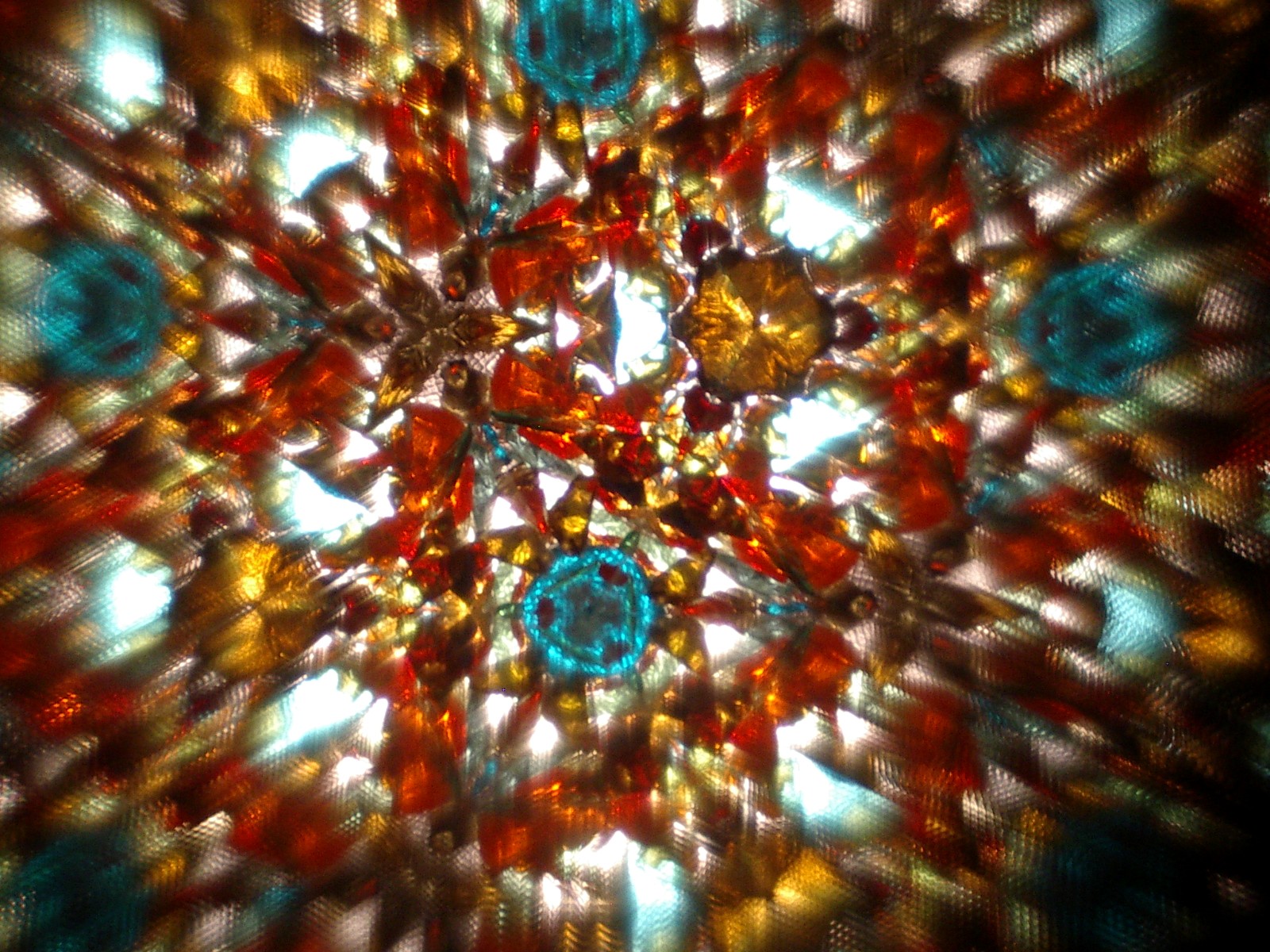
Creative and Practical Applications of Kaleidoscopes
Kaleidoscopes transcend their role as mere optical toys, serving as instruments of therapeutic intervention, educational tools, and aesthetic enhancements in design. Their hypnotic patterns stimulate cognitive and emotional responses, while their modular construction allows for customization in both form and function. From clinical settings to artistic installations, kaleidoscopes demonstrate versatility in fostering creativity, relaxation, and scientific understanding.The interplay between light, reflection, and symmetry in kaleidoscopes creates dynamic visual experiences that engage the brain’s visual cortex, making them particularly effective in therapeutic and educational contexts. Their adaptability extends to interior design and fashion, where their fractal geometries inspire patterns that evoke movement and depth. Below, the applications are explored through psychological benefits, hands-on construction, design integration, and pedagogical strategies.
Therapeutic and Meditative Use of Kaleidoscopes
Kaleidoscopes are employed in therapeutic practices, particularly in art therapy and mindfulness-based interventions, to induce states of relaxation and improve focus. The repetitive, symmetrical patterns generated by their mirrors and colored objects create a strobe-like effect, which has been linked to reduced cortisol levels—a hormone associated with stress. Studies in neuroaesthetics suggest that observing kaleidoscopic images activates the default mode network (DMN), a brain region involved in self-reflection and mental relaxation, thereby promoting a meditative state.In color therapy, kaleidoscopes are used to explore emotional responses to hues and their combinations. For instance, warm colors (reds, oranges) may evoke energy, while cool tones (blues, greens) induce calmness. Therapists leverage this by having patients interact with kaleidoscopes to externalize internal emotions, facilitating cognitive restructuring—a technique used in cognitive behavioral therapy (CBT). Additionally, the hypnotic quality of kaleidoscopic motion has been documented in biofeedback therapy to help patients achieve a theta brainwave state, associated with deep meditation and heightened creativity.
Psychological Effects of Kaleidoscopic Patterns:
Practical Application in Therapy:
Therapists often incorporate kaleidoscopes into sessions by:
1. Guided Visualization: Patients observe patterns while recounting stressful events, using the kaleidoscope as a distraction tool.
2. Color Association Exercises: Patients select colored objects to insert into the kaleidoscope, discussing the emotions each color evokes.
3. Movement-Based Therapy: Rotating the kaleidoscope in sync with breathing exercises to synchronize mind and body.
DIY Kaleidoscope Construction Using Household Materials
Building a functional kaleidoscope requires basic materials and an understanding of light reflection principles, particularly the use of mirrored surfaces to create symmetrical images. Below is a step-by-step guide using accessible items, emphasizing clarity and precision in assembly.Required Materials:
Step-by-Step Assembly:
1. Prepare the Mirrors:
2. Construct the Tube:
3. Assemble the Kaleidoscope:
4. Testing and Refinement:
Design Variations:
Integration of Kaleidoscopic Designs in Interior Design and Fashion
The fractal and symmetrical properties of kaleidoscopic patterns make them a recurring motif in interior design and textile fashion, where they introduce optical illusions and dynamic visual interest. Designers exploit these properties to create spaces and garments that appear to shift with the viewer’s perspective, enhancing perceived depth and movement.Interior Design Applications:
Kaleidoscopic motifs are often used in lighting fixtures, wallpaper, and furniture to evoke a sense of infinity and fluidity. Examples include:
Fashion and Accessory Design:
In fashion, kaleidoscopic patterns are used to create illusions of movement and asymmetry, often in:
Design Principles for Integration:
FAQ
What purposes does a kaleidoscope serve?
A kaleidoscope is primarily used as a decorative optical toy that creates intricate, symmetrical patterns by reflecting light through mirrors and colored objects. It can also serve as an artistic tool for designing abstract visuals or as an educational device to demonstrate principles of light, reflection, and geometry.
How does a kaleidoscope function and create its patterns?
A kaleidoscope works by using two or more mirrors aligned at angles to reflect light from colored objects (like beads or glass) inside a tube. When you look through the eyepiece, the mirrors multiply the images, creating endless symmetrical designs. Rotating the tube changes the patterns by altering the light’s path through the mirrors.
How is a kaleidoscope constructed?
A basic kaleidoscope is made by placing two or more mirrors at precise angles (often 60 degrees) inside a cylindrical tube, with colored objects (like beads or stained glass) between them. The tube is sealed with an eyepiece at one end and a rotating disk or cap at the other. Some versions add lenses or prisms to enhance the effects.
What is a kaleidoscope migraine, and how is it related to migraines?
A "kaleidoscope migraine" refers to visual disturbances resembling kaleidoscope patterns (flashing lights, zigzags, or geometric shapes) that can occur before or during migraines. These auras are caused by temporary brain activity affecting the visual cortex, not by looking at a kaleidoscope. They’re a neurological symptom, not a direct effect of the toy.
What makes a kaleidoscope a good toy for kids?
Kaleidoscopes are great for kids because they’re simple to use, spark creativity, and teach basic science concepts like light and reflection in a hands-on way. Many child-friendly versions are durable, lightweight, and feature bright colors or themes (like animals or space), making them engaging and educational.
What is a kaleidoscope of butterflies, and how is it different?
A "kaleidoscope of butterflies" typically refers to a kaleidoscope filled with butterfly-shaped pieces (often made of glass or plastic) instead of beads or geometric objects. This design creates patterns featuring butterfly wings or silhouettes, making it a themed variation for collectors or nature enthusiasts. The principle of operation remains the same as a standard kaleidoscope.
Leave a Comment
Comments are moderated before appearing. The data you submit is processed according to the Privacy Policy of Voltefac.