What Spices Define Pumpkin Spice Blends And Their Global Influence
Table of Contents
- Core Ingredients Breakdown of Pumpkin Spice Blends
- Traditional Spices and Their Origins
- Common Spices in Commercial Pumpkin Spice Mixes
- Identifying Spices in Homemade Pumpkin Spice Recipes
- Regional and Cultural Variations in Pumpkin Spice Blends
- Cultural Recipes and Spice Profiles
- Comparative Analysis of Regional Pumpkin Spice Variations
- Colonial Trade Routes and Spice Integration
- Spice Science and Flavor Chemistry in Pumpkin Spice Blends
- Cinnamon’s Coumarin and the Maillard-Sugar Synergy in Pumpkin Spice
- Nutmeg’s Myristicin and the Depth of Pumpkin Spice Blends
- Quantifying Spice Potency: Methods and Flavor Consistency
- Substitutes and Allergen Considerations in Pumpkin Spice Blends
- Gluten-Free and Nut-Free Spice Alternatives for Pumpkin Spice Blends
- Flowchart: Modifying Pumpkin Spice Recipes for Celiac-Safe or Nut-Sensitive Diets
- Allergenic Properties of Key Pumpkin Spices and Safe Substitutes
- Practical Applications in Cooking and Baking with Pumpkin Spice Blends
- Adjusting Spice Ratios for Sweet and Savory Pumpkin Dishes
- Pumpkin Spice-Infused Syrup: Technique and Caramelization Control
- Layered Pumpkin Spice Latte: Customizable Spice Intensity Guide
- Historical Evolution and Modern Trends in Pumpkin Spice Blends
- Timeline of Key Moments in Pumpkin Spice Popularity
- Spice Innovations in Modern Pumpkin Spice Blends
- Sustainability and Ethical Sourcing in Pumpkin Spice Formulations
- FAQ
- What spices are actually in a typical pumpkin spice mix?
- What spices are in a pumpkin spice latte from Starbucks or other cafes?
- What spices are in a homemade pumpkin spice blend?
- What spices are in pumpkin spice seasoning used for baking?
- What ingredients are in pumpkin spice besides the spices?
- What ingredients are in a pumpkin spice latte beyond the spices?
Pumpkin spice blends have transcended seasonal trends to become a global culinary staple, yet their core composition remains shrouded in ambiguity for many. Beyond the ubiquitous cinnamon and nutmeg, these aromatic mixtures draw from centuries of trade, cultural exchange, and flavor chemistry to deliver warmth, depth, and complexity. From Native American stews to modern pumpkin lattes, the evolution of these spice combinations reflects broader shifts in dietary preferences, sustainability, and regional adaptation. Understanding their precise ingredients—not just by name but by origin, function, and substitution—unlocks creative possibilities in both traditional and innovative recipes.
The traditional pumpkin spice profile is a harmonious fusion of earthy, sweet, and slightly pungent notes, each spice playing a distinct role in enhancing the natural sugars and fats of pumpkin. While commercial blends often standardize these flavors, regional variations—from the cardamom-infused Middle Eastern adaptations to the clove-heavy European takes—reveal how cultural history shapes flavor. This exploration dissects the science behind these spices, their allergenic considerations, and practical applications across savory and sweet dishes, while tracing their journey from ancient trade routes to today’s spice-forward culinary movements.
Core Ingredients Breakdown of Pumpkin Spice Blends
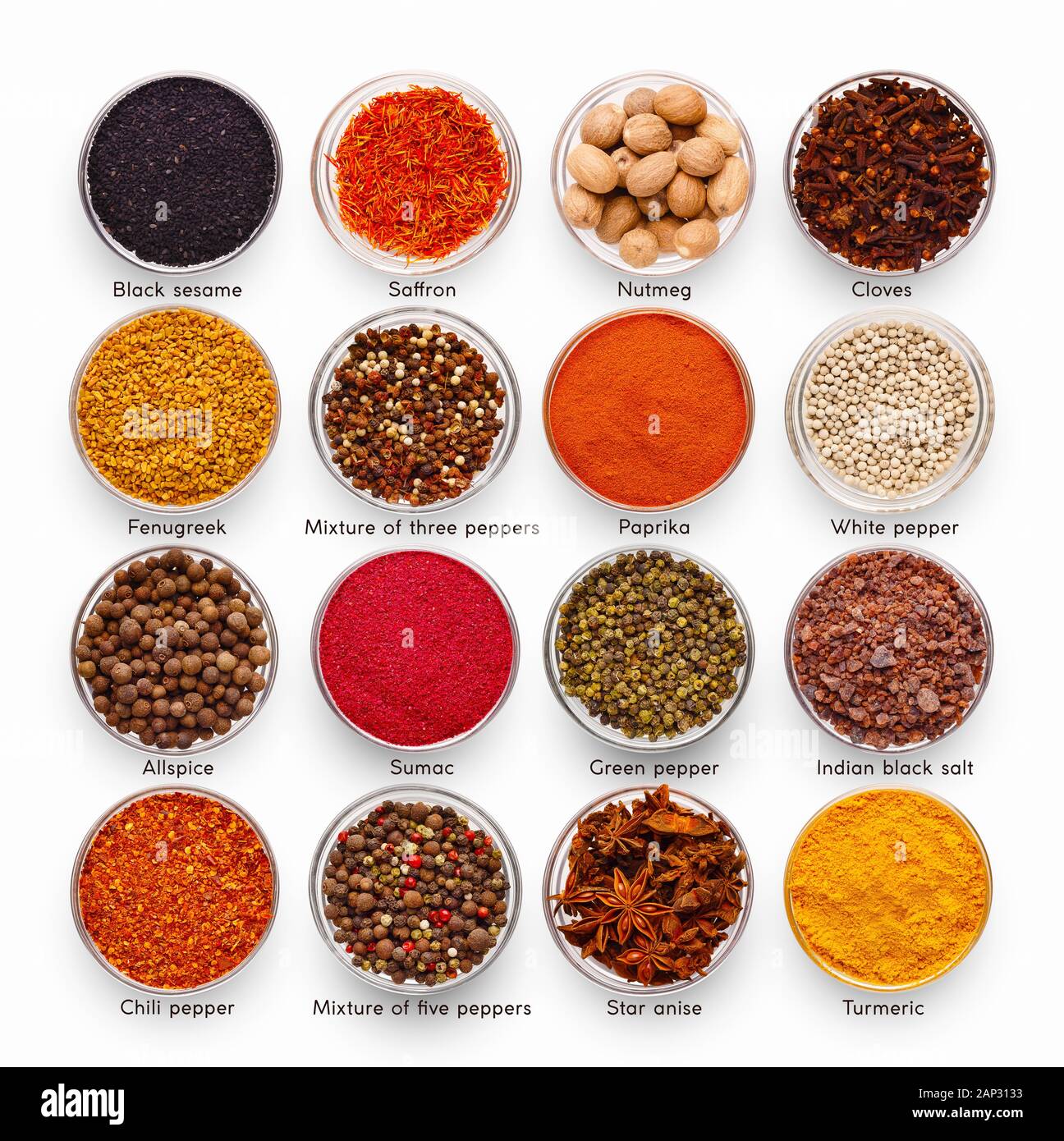
Pumpkin spice blends derive their signature warmth and complexity from a deliberate combination of aromatic spices, each contributing distinct flavor notes that harmonize with pumpkin’s natural sweetness and earthiness. These spices originate from diverse global culinary traditions, with historical ties to medieval European trade routes, colonial American baking, and modern commercial spice formulations. While variations exist, the core spices—cinnamon, nutmeg, ginger, cloves, and allspice—remain consistent due to their complementary profiles: cinnamon’s sweetness, nutmeg’s earthy depth, ginger’s zing, and cloves’ intensity. Commercial blends often standardize these ratios to ensure reproducibility, though artisanal or regional adaptations may introduce variations like cardamom or mace.The prevalence of specific spices in commercial mixes reflects both historical availability and sensory appeal. Cinnamon, for instance, dominates due to its affordability and versatility, while nutmeg and ginger are balanced to prevent overpowering pumpkin’s delicate flavor. Below, the most common spices are ranked by their frequency in recipes, alongside their functional roles in the blend.
Traditional Spices and Their Origins
The foundational spices in pumpkin spice blends trace their origins to ancient trade networks and colonial-era spice imports. Cinnamon, derived from the bark of Cinnamomum trees (primarily C. verum or C. cassia), was a luxury commodity in medieval Europe, valued for its medicinal properties and sweet aroma. Nutmeg, harvested from the seed of Myristica fragrans, originated in the Banda Islands (Indonesia) and became a staple in 17th-century Dutch and English spice trade. Ginger, from the rhizome of Zingiber officinale, was cultivated in Southeast Asia and later adopted in Middle Eastern and Indian cuisines before reaching Europe. Cloves, dried flower buds of Syzygium aromaticum, were among the first spices traded globally, prized in both culinary and ceremonial contexts. Allspice, despite its name, is the dried berry of Pimenta dioica and was historically used by Indigenous peoples of the Caribbean and Central America before European colonization.These spices were often combined in "warming" mixtures for autumnal dishes, particularly in North America, where pumpkin became a seasonal staple. The term "pumpkin spice" itself gained commercial traction in the late 20th century, though the blend predates modern branding by centuries.
Common Spices in Commercial Pumpkin Spice Mixes
Commercial pumpkin spice blends prioritize consistency, with cinnamon and nutmeg as the most prevalent spices, followed by ginger, cloves, and allspice. Less common but occasionally included are cardamom, mace, and black pepper. The following table outlines the typical composition, ranked by frequency in recipes, along with their flavor contributions and culinary forms.| Spice Name | Flavor Contribution | Common Forms (Ground/Powdered) | Culinary Uses |
|---|---|---|---|
| Cinnamon |
|
|
|
| Nutmeg |
|
|
|
| Ginger |
|
|
|
| Cloves |
|
|
|
| Allspice |
|
|
|
| Cardamom (Occasional) |
|
|
|
Note: The ratio of spices in commercial blends typically ranges from 50–70% cinnamon, 10–20% nutmeg, 5–15% ginger, 3–8% cloves, and 2–5% allspice. Cardamom, if included, rarely exceeds 2%.
Identifying Spices in Homemade Pumpkin Spice Recipes
To accurately replicate or analyze a homemade pumpkin spice blend, a systematic approach combining sensory evaluation and cross-referencing with spice databases is essential. Below is a stepRegional and Cultural Variations in Pumpkin Spice Blends
Pumpkin spice blends transcend their commercialized Western associations, reflecting deep historical and culinary exchanges across continents. While the modern U.S. pumpkin spice latte relies on a standardized cinnamon-dominated profile, regional adaptations incorporate indigenous spices, trade-influenced ingredients, and traditional cooking techniques. These variations highlight how pumpkin—whether squash, gourd, or true pumpkin—serves as a culinary bridge between cultures, with spice profiles shaped by climate, availability, and cultural preferences. Understanding these distinctions reveals the global diversity of pumpkin-based dishes and the role of colonial and pre-colonial trade in disseminating spices like nutmeg, allspice, and cardamom.The evolution of pumpkin spice blends is closely tied to the movement of goods along ancient and colonial trade routes. Spices such as black pepper, cloves, and cinnamon—now staples in Western pumpkin spice—originated in South and Southeast Asia before spreading via Arab, Portuguese, and Dutch traders. Similarly, New World ingredients like vanilla and chocolate later integrated into European pumpkin dishes, creating hybrid flavors. Below, regional variations are examined through cultural recipes, comparative tables, and the historical context of spice integration.
Cultural Recipes and Spice Profiles
Pumpkin and squash feature prominently in cuisines worldwide, often transformed through regionally specific spice blends. These recipes demonstrate how pumpkin’s neutral base absorbs diverse flavors, from the earthy warmth of Indian kaddu ki sabzi to the smoky depth of Mexican calabaza con especias. The following blockquote presents a traditional Indian preparation, illustrating how spices like garam masala and mustard seeds elevate pumpkin into a savory dish.Indian Kaddu ki Sabzi (Pumpkin Curry)Other regional adaptations include:
A staple in North Indian cuisine, this dish balances sweet and savory notes through a complex spice matrix. Key ingredients include:
Whole spices: Mustard seeds, cumin, fenugreek, and asafoetida (hing), toasted in ghee to release aromatic oils. Ground spices: Turmeric, coriander, cumin, and garam masala, which provide warmth and earthiness. Fresh aromatics: Ginger, garlic, and green chilies for brightness. Acidic element: Tamarind or lemon juice to cut through richness. The pumpkin is cooked until tender, absorbing the spice-infused gravy, resulting in a dish that is both comforting and deeply flavorful. Unlike Western pumpkin spice blends, this recipe omits cinnamon and nutmeg, relying instead on mustard and fenugreek for umami depth.
Comparative Analysis of Regional Pumpkin Spice Variations
The following table contrasts three distinct pumpkin spice profiles, highlighting their key spices, traditional dishes, and flavor characteristics. These variations underscore how cultural identity and historical trade shape spice usage.| Region | Key Spices Added | Traditional Dish | Flavor Notes |
|---|---|---|---|
| North America (U.S./Canada) |
|
Pumpkin pie, spiced roasted pumpkin, pumpkin spice latte | Sweet, warm, and slightly clove-like with a vanilla undertone; designed for desserts and beverages. |
| Middle East (Turkey/Iran) |
|
Kabak Dolması, Mishkav (stuffed pumpkin) | Bright, herby, and slightly tangy with earthy cumin; balances sweetness in savory dishes. |
| South Asia (India/Pakistan) |
|
Kaddu ki Sabzi, Pumpkin Halwa | Nutty, bitter-sweet, and deeply aromatic with a smoky fenugreek finish; often paired with yogurt or lentils. |
Colonial Trade Routes and Spice Integration
The inclusion of spices like cloves, black pepper, and nutmeg in modern pumpkin spice blends traces back to the Age of Exploration (15th–17th centuries), when European powers established global trade networks. Before this period, pumpkin-based dishes in the Americas relied on indigenous spices such as chilhuacle (a Mesoamerican herb) or local chilies. The introduction of Old World spices transformed these recipes, creating hybrid flavors that persist today.Key historical influences include:
The commercialization of pumpkin spice in the 20th century further homogenized blends, but regional variations endure in traditional cuisines. For example, the use of allspice in Caribbean pumpkin dishes reflects its historical role as a substitute for cloves during colonial shortages, while cardamom in Scandinavian pumpkin bread (kalkonbröd) stems from Viking-era trade with the Middle East.

Spice Science and Flavor Chemistry in Pumpkin Spice Blends
The aromatic and gustatory complexity of pumpkin spice blends arises from intricate biochemical interactions between its constituent spices and the natural sugars in pumpkin. These reactions transcend mere flavor masking or enhancement; they involve molecular transformations that produce warmth, depth, and lingering notes. Understanding the underlying chemistry—particularly the roles of volatile compounds, extraction efficiency, and particle size—reveals why certain spice combinations yield superior results in both culinary and commercial applications. This section explores the mechanistic foundations of pumpkin spice flavor, emphasizing the synergy between cinnamon’s coumarin, nutmeg’s myristicin, and pumpkin’s sugar profile, alongside practical methods for quantifying spice potency.Cinnamon’s Coumarin and the Maillard-Sugar Synergy in Pumpkin Spice
Cinnamon (Cinnamomum spp.) contributes the signature warmth of pumpkin spice blends primarily through coumarin, a lactone compound that accounts for up to 90% of its aroma in Cinnamomum cassia (cassia cinnamon). Coumarin’s low threshold of perception (0.005–0.01 ppm in air) allows it to dominate sensory profiles even at low concentrations. When combined with pumpkin’s natural sugars—primarily fructose, glucose, and sucrose—coumarin participates in non-enzymatic browning reactions, including the Maillard reaction and caramelization, which amplify its perceived warmth.Key Reaction:The interaction is further influenced by pH and moisture content. In pumpkin purée (pH ~5.2–5.8), the slightly acidic environment accelerates coumarin’s hydrolysis, producing benzaldehyde and furan derivatives, which contribute to a "toasted" or "baking spice" character. Commercial blends often use cassia cinnamon due to its higher coumarin content (0.5–2.5% in oil) compared to Cinnamomum verum (Ceylon cinnamon), which contains negligible amounts (<0.01%). However, excessive coumarin (>0.1 mg/kg in food) may pose health risks, necessitating precise formulation in mass-produced blends.
Coumarin + Reducing Sugars (e.g., glucose) → Thermal degradation products (e.g., 2H-pyran-3(4H)-ones) → Enhanced "spicy-sweet" aroma notes.
Nutmeg’s Myristicin and the Depth of Pumpkin Spice Blends
Nutmeg (Myristica fragrans) introduces a peppery, slightly hallucinogenic depth to pumpkin spice through its monoterpenoid compounds, with myristicin (1–5% of nutmeg oil) and macelignan (a lignan) playing dominant roles. Myristicin’s sensory profile is characterized by:The following table summarizes the chemical and sensory contributions of key nutmeg compounds in pumpkin spice blends:
| Spice | Key Compound | Sensory Effect | Chemical Reaction in Cooking |
|---|---|---|---|
| Nutmeg | Myristicin | Earthy, slightly sweet warmth; suppresses bitterness in pumpkin | Thermal isomerization → 3,4-methylenedioxyamphetamine (MDA) precursors (trace levels; non-psychoactive at culinary doses). Forms heterocyclic amines with sugars (e.g., pyrazines) during roasting. |
| Nutmeg | Macelignan | Peppery, slightly floral undertones; reduces astringency | Oxidation → quinone derivatives, which bind to salivary proteins, enhancing mouthfeel. |
| Clove (often blended with nutmeg) | Eugenol | Spicy, medicinal warmth; masks pumpkin’s "green" notes | Esterification with pumpkin acids → isoeugenol (vanilla-like notes) under prolonged heat. |
| Ginger | Zingerone | Pungent heat with citrusy lift; balances sweetness | Decarboxylation of gingerol → shogaols (higher pungency) at >120°C. |
Quantifying Spice Potency: Methods and Flavor Consistency
Flavor consistency in pumpkin spice blends depends on spice concentration, particle size, and extraction efficiency. The following methods are employed to standardize potency:1. Refractometry for Cinnamon Oil Content
Cinnamon’s flavor intensity correlates with its essential oil content, typically measured via Abbe refractometry (ISO 2797). A refractometer measures the refractive index (RI) of cinnamon oil, which ranges from 1.525–1.535 for cassia. For example:
A blend requiring 0.5% cinnamon (by weight) may need 0.7% cassia with RI 1.526 to match the warmth of 0.4% cassia with RI 1.532. 2. Gas Chromatography-Mass Spectrometry (GC-MS) for Compound-Specific Analysis
GC-MS quantifies individual aroma compounds (e.g., myristicin, eugenol) with precision. For instance, a well-balanced pumpkin spice blend might target:
3. Particle Size Distribution and Extraction Efficiency
Spice particle size directly impacts surface area exposure and oil release rate. Studies show:
| Spice Form | Extraction Rate (30 min, 85°C) | Flavor Profile Impact | Commercial Use Case | |||||||||||||||||||||||||||||||||
|---|---|---|---|---|---|---|---|---|---|---|---|---|---|---|---|---|---|---|---|---|---|---|---|---|---|---|---|---|---|---|---|---|---|---|---|---|
| Whole cinnamon sticks | 15–25% coumarin yield | Subtle, layered warmth; minimal astringency | Artisanal pumpkin pies, slow-cooked soups | |||||||||||||||||||||||||||||||||
| Medium-ground cinnamon (300 µm) | 50–70% coumarin yield | Balanced warmth and sweetness; ideal for baked goods | Commercial spice blends, pumpkin bread | |||||||||||||||||||||||||||||||||
Micronized cinnamon (<50 µm)
Substitutes and Allergen Considerations in Pumpkin Spice BlendsPumpkin spice blends, while beloved for their warm, aromatic complexity, may pose dietary restrictions for individuals with gluten sensitivities, nut allergies, or specific spice-related intolerances. Substituting traditional ingredients requires an understanding of flavor chemistry, allergenic properties, and the functional roles of spices in baking and cooking. This section examines gluten-free and nut-free alternatives, allergen considerations for key spices, and innovative replacements that preserve the signature profile of pumpkin spice while ensuring safety and culinary integrity.The modification of pumpkin spice blends for allergen-sensitive diets demands precision, particularly when replacing ingredients that contribute to texture, depth, and structural cohesion in recipes. Cross-contamination risks and the biochemical differences between spices—such as cinnamon varieties—further complicate formulation. Below, structured guidance and alternative options are provided to facilitate compliant yet flavorful adaptations. Gluten-Free and Nut-Free Spice Alternatives for Pumpkin Spice BlendsPumpkin spice blends typically rely on ground spices, which are inherently gluten-free, but cross-contamination during processing or storage can occur if shared equipment handles wheat-based products. Nut-free considerations are less common but critical for individuals with severe allergies, as some commercial blends may be produced in facilities processing tree nuts. The following alternatives maintain the warm, slightly sweet, and earthy profile of traditional pumpkin spice while adhering to dietary restrictions.
Flowchart: Modifying Pumpkin Spice Recipes for Celiac-Safe or Nut-Sensitive DietsThe following step-by-step process ensures flavor retention while mitigating allergen risks. Each stage addresses potential pitfalls, such as flavor dilution or unintended cross-contamination.
Allergenic Properties of Key Pumpkin Spices and Safe SubstitutesCertain spices in pumpkin blends carry allergenic or irritant risks, particularly due to secondary compounds. Understanding these properties enables targeted substitutions without compromising safety or flavor.
Historical Evolution and Modern Trends in Pumpkin Spice BlendsThe concept of pumpkin spice blends reflects a synthesis of Indigenous culinary traditions, colonial adaptations, and contemporary commercial innovation. Originating from the flavor profiles of autumnal harvests in North America, these blends evolved through trade, cultural exchange, and industrial standardization. Early iterations relied on locally available spices, while modern formulations incorporate global sourcing, sustainability practices, and experimental flavor combinations. This evolution mirrors broader shifts in spice trade, culinary globalization, and consumer demand for authenticity and novelty.The historical trajectory of pumpkin spice blends demonstrates how cultural exchange and commercialization reshaped traditional flavor profiles. Indigenous peoples of North America, including the Haudenosaunee, Anishinaabe, and Lakota, incorporated spices like wild cinnamon (from Canella winterana), allspice, and dried herbs into pumpkin-based dishes long before European contact. These early blends were functional—preserving pumpkin, enhancing nutrition, and marking seasonal transitions. Colonial settlers later introduced Old World spices (cinnamon, cloves, nutmeg) via trade routes, creating hybridized versions that became staples in early American baking. Timeline of Key Moments in Pumpkin Spice PopularityThe commercialization of pumpkin spice blends aligns with broader trends in food marketing, seasonal branding, and the rise of "comfort food" nostalgia. Below is a chronological overview of pivotal developments, from Indigenous practices to modern culinary reinventions.Spice Innovations in Modern Pumpkin Spice BlendsThe 21st century has seen a divergence from the traditional "cinnamon-heavy" pumpkin spice profile, with chefs and food scientists introducing bold, regional, and functional variations. These innovations respond to consumer trends toward complexity, health-conscious formulations, and cultural fusion.Sustainability and Ethical Sourcing in Pumpkin Spice FormulationsModern pumpkin spice blends increasingly reflect ethical and environmental concerns, from fair-trade certification to climate-resilient spice farming. These trends address supply chain transparency, biodiversity preservation, and reduced ecological footprints. |

Leave a Comment
Comments are moderated before appearing. The data you submit is processed according to the Privacy Policy of Voltefac.