Cardamom Is What Nature And Culture Crafted Into Gold
Table of Contents
- Botanical and Culinary Profile of Cardamom
- Botanical Classification and Varietal Distinctions
- Flavor Development Across Growth and Processing Stages
- Comparative Analysis of Cardamom Varieties
- Historical and Cultural Significance of Cardamom
- Ancient Trade Routes and Global Dissemination
- Timeline of Cardamom’s Historical Milestones
- Symbolic and Ritualistic Significance Across Cultures
- Regional Preparation Methods and Culinary Adaptations
- Medicinal and Health Benefits of Cardamom
- Active Compounds and Mechanisms of Action in Cardamom
- Traditional Remedies and Modern Validation
- Antioxidant Profile and Comparative Analysis with Other Spices
- FAQ
- What part of the plant is cardamom?
- What spice is cardamom?
- What color is cardamom?
- What is cardamom called in Hindi?
- What flavor does cardamom have?
- What is cardamom used for?
Cardamom stands as a botanical marvel where aromatic complexity meets historical legacy, shaping cuisines and traditions across continents. From the lush highlands of Guatemala to the ancient spice markets of Kerala, this unassuming pod encapsulates a symphony of citrusy sharpness, floral elegance, and earthy warmth—qualities refined through centuries of cultivation, trade, and culinary innovation. Its journey from medicinal remedy in Ayurvedic texts to a cornerstone of Scandinavian pastries and Middle Eastern perfumery underscores its dual role as both a spice and a cultural emblem.
The science behind cardamom’s allure lies in its chemical composition, where terpenes like cineole and aldehydes orchestrate flavors that evolve from harvest to processing, while its medicinal properties—rooted in anti-inflammatory compounds—bridge ancient wisdom and modern pharmacology. Whether enhancing the depth of a biryani or serving as a digestive aid in traditional teas, cardamom’s versatility reveals why it has remained indispensable in kitchens and apothecaries alike for millennia.

Botanical and Culinary Profile of Cardamom
Cardamom (Elettaria cardamomum) is a perennial herbaceous plant belonging to the Zingiberaceae family, closely related to ginger and turmeric. Its culinary and medicinal significance stems from its aromatic pods, which are among the most valuable spices globally. The plant thrives in tropical climates, particularly in regions of India, Guatemala, Sri Lanka, and Tanzania, where it is cultivated for its distinctive flavor and therapeutic properties. The botanical classification distinguishes several varieties based on pod morphology, aroma compounds, and processing methods, each contributing unique sensory profiles to global cuisines.The flavor of cardamom is a complex interplay of terpenes (e.g., 1,8-cineole, α-terpineol), aldehydes (e.g., citral), and phenolic compounds, which develop through physiological and biochemical changes during growth, harvesting, and post-processing. These compounds interact synergistically with other spices, enhancing or modifying flavor profiles in dishes ranging from savory biryanis to sweet Scandinavian pastries. Understanding these nuances is essential for selecting high-quality cardamom and optimizing its use in culinary applications.
Botanical Classification and Varietal Distinctions
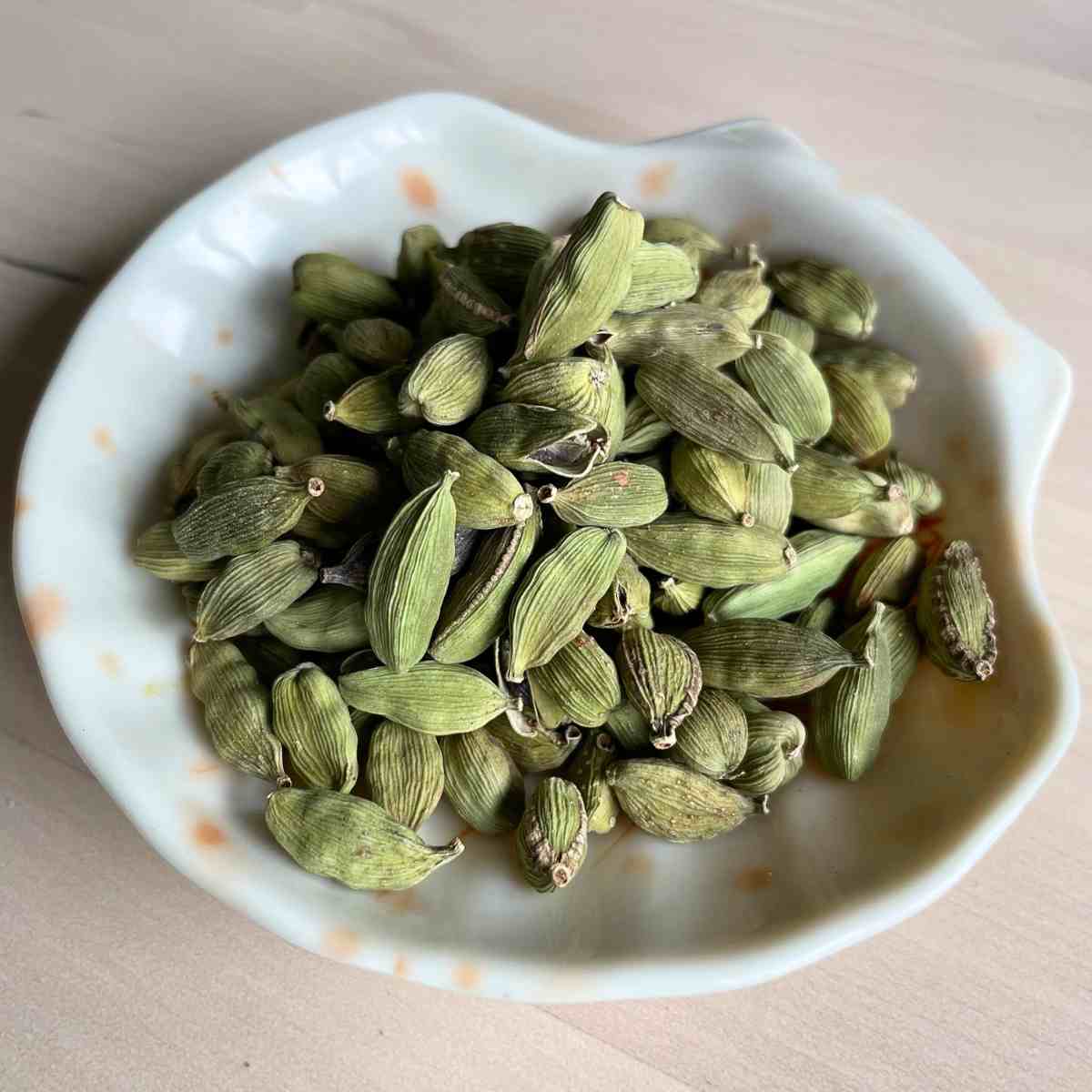
Cardamom is classified under the genus Elettaria, with E. cardamomum as the primary species cultivated for commerce. However, three commercially significant varieties dominate global markets, each with distinct botanical and sensory characteristics:- Green Cardamom (Elettaria cardamomum var. major):
- Black Cardamom (Amomum subulatum Roxb.):
- White Cardamom (Elettaria cardamomum var. minor or Amomum costatum):
Flavor Development Across Growth and Processing Stages
The flavor of cardamom evolves through three critical phases: growth, harvesting, and post-harvest processing. Each stage influences the concentration and balance of volatile compounds, which determine the spice’s sensory quality.1. Growth Phase (3–4 Years to Maturity)
2. Harvesting Phase (Pod Ripening)
3. Processing Phase (Drying and Bleaching)
Chemical Reactions During Processing
The oxidation of terpenes (e.g., cineole → camphor) during improper drying reduces freshness, while hydrolysis of glycosidic-bound volatiles (e.g., linalool release) enhances floral notes in properly processed cardamom.
Comparative Analysis of Cardamom Varieties
The following table summarizes the flavor profiles, culinary applications, and regional origins of the three primary cardamom varieties, including their processing distinctions.| Variety | Primary Flavor Notes | Culinary Uses | Regional Origins & Processing | |||||||||||||||||||||||||||||||||||||||||||
|---|---|---|---|---|---|---|---|---|---|---|---|---|---|---|---|---|---|---|---|---|---|---|---|---|---|---|---|---|---|---|---|---|---|---|---|---|---|---|---|---|---|---|---|---|---|---|
| Green Cardamom |
|
|
|
|||||||||||||||||||||||||||||||||||||||||||
| Black Cardamom |
|
Historical and Cultural Significance of CardamomCardamom’s journey from ancient trade hubs to modern kitchens reflects its dual role as a luxury commodity and a sacred ingredient. Originating in the tropical highlands of India and the Middle East, cardamom traversed continents via maritime and overland routes, shaping economies, cuisines, and medicinal traditions. Its value was so profound that it became a diplomatic gift, a currency substitute, and a cornerstone of both Ayurvedic and Islamic culinary systems. This section explores cardamom’s trajectory through history, its symbolic resonance in diverse cultures, and the evolution of its preparation methods, illustrating how a single spice bridged continents and civilizations.Ancient Trade Routes and Global DisseminationCardamom’s diffusion mirrored the dynamics of pre-modern global trade, with the Silk Road and spice trade networks serving as its primary conduits. Indian cardamom (Elettaria cardamomum), native to the Western Ghats of Kerala and Tamil Nadu, was traded as early as the 3rd century BCE, while Yemeni cardamom (Amomum subulatum), grown in the highlands of Haraz, became a staple in the Arabian Peninsula by the 7th century CE. The Roman Empire documented cardamom as a rare import by the 1st century CE, though its use remained confined to elites due to high costs. By the Middle Ages, cardamom had become a linchpin of the Indian Ocean trade, with ports like Calicut, Hormuz, and Aden acting as critical nodes. The Viking Age (8th–11th centuries) introduced cardamom to Scandinavia, where it was valued for both culinary and medicinal properties, while the Ottoman Empire integrated it into baharat spice blends, cementing its place in Middle Eastern cuisine.The Columbian Exchange (16th century) marked a turning point, as cardamom cultivation spread to Guatemala, where the climate mirrored that of Kerala. By the 19th century, Guatemala emerged as the world’s largest producer, surpassing India due to colonial-era labor systems and favorable trade policies. This shift underscored cardamom’s adaptability, as it thrived in new ecosystems while retaining its cultural significance. Today, India (Kerala), Guatemala, and Yemen remain the top producers, though climate change and shifting market demands continue to reshape global supply chains. Timeline of Cardamom’s Historical MilestonesCardamom’s evolution can be traced through key events that highlight its economic, cultural, and scientific importance.Symbolic and Ritualistic Significance Across CulturesCardamom’s sensory and spiritual properties have endowed it with layered meanings, from Hindu weddings to Scandinavian folk magic. Its fragrance, often described as a blend of citrus, pine, and camphor, evokes purity and prosperity, while its bitter-sweet taste symbolizes balance in Ayurvedic philosophy.Regional Preparation Methods and Culinary AdaptationsCardamom’s versatility has led to distinct preparation techniques, each reflecting local tastes and culinary traditions. While India
Medicinal and Health Benefits of CardamomCardamom (Elettaria cardamomum) is a potent medicinal spice with a centuries-old reputation in traditional healing systems, including Ayurveda, Traditional Chinese Medicine (TCM), and Middle Eastern folk remedies. Modern phytochemical research confirms its therapeutic potential, attributing its efficacy to bioactive compounds such as cineole (eucalyptol), limonene, alpha-terpinyl acetate, and polyphenols (e.g., gallic acid, protocatechuic acid). These compounds exhibit anti-inflammatory, antimicrobial, antioxidant, and digestive regulatory properties, supported by in vitro, animal, and human clinical studies. Below, a structured exploration of cardamom’s medicinal applications, active compounds, and evidence-based traditional remedies is provided, alongside comparative antioxidant profiles and practical preparation guidelines.Active Compounds and Mechanisms of Action in CardamomCardamom’s therapeutic effects stem from its volatile oil composition (60–70% of dry weight) and non-volatile phenolic compounds. Key bioactive constituents include:- Cineole (1,8-Eucalyptol): A monoterpene oxide with bronchodilatory, anti-inflammatory, and antimicrobial properties, demonstrated in studies on respiratory infections and asthma (Journal of Ethnopharmacology, 2018). Table: Bioactive Compounds, Mechanisms, Evidence, and Side Effects
Traditional Remedies and Modern ValidationCardamom’s versatility in traditional medicine extends to oral, topical, and respiratory applications, many of which align with contemporary scientific findings. Below are structured remedies with evidence-based assessments:Oral and Digestive Applications Topical and Skin Applications Respiratory and Immune Support Debunked Claims Antioxidant Profile and Comparative Analysis with Other SpicesCardamom ranks among the top antioxidant-rich spices, with Oxygen Radical Absorbance Capacity (ORAC) values of 1,400,000–1,600,000 µmol TE/100 g, surpassing turmeric (ORAC: 1,000,000) and cloves (ORAC: 1,200,000). Its polyphenolic content (gallic acid, protocatechuic acid) and volatile oils contribute to its free radical scavenging activity, comparable to green tea (ORAC: 1,250,000) but with superior lipid peroxidation inhibition (Food Chemistry, 2021).Key Polyphenols and ORAC Comparison
Cardamom transcends its status as a mere spice to embody a convergence of nature’s chemistry, human ingenuity, and cultural heritage. Its pods, steeped in history from Silk Road trade routes to colonial-era exploitation, carry flavors that tell stories of adaptation—whether in the sweet folds of Swedish kardemummabullar or the fiery blends of Ethiopian berbere. Beyond taste, its active compounds offer a testament to traditional medicine’s enduring relevance, validated by contemporary science. As both a culinary and medicinal powerhouse, cardamom invites deeper appreciation for how a single botanical treasure can shape identities, heal bodies, and inspire creativity across civilizations. FAQWhat part of the plant is cardamom?Cardamom comes from the dried seed pods of several plants in the Ginger family, specifically Elettaria cardamomum (true cardamom) or Amomum species (black cardamom). The seeds inside the green, capsule-like pods are what’s used as a spice. What spice is cardamom?Cardamom is a warm, aromatic spice made from the dried seeds of the cardamom plant. It’s often used whole or ground in both sweet and savory dishes, especially in Middle Eastern, South Asian, and Scandinavian cuisines. What color is cardamom?Whole cardamom pods are green (or dark brown/black for Amomum varieties), and the seeds inside are small, pale brown or yellowish. Ground cardamom is a light tan or beige powder. What is cardamom called in Hindi?In Hindi, cardamom is called elaichi (एलachi). True cardamom (Elettaria) is specifically referred to as green elaichi, while black cardamom (Amomum) may be called kali elaichi (black cardamom). What flavor does cardamom have?Cardamom has a complex, floral, citrusy, and slightly minty flavor with warm, peppery undertones. It’s often described as a mix of cinnamon, citrus zest, and a hint of camphor or eucalyptus. What is cardamom used for?Cardamom is used as a spice in cooking (curries, baked goods, teas, and coffee), in traditional medicine for digestion and oral health, and as a flavoring in perfumes, liqueurs (like aquavit), and chewing gum. It’s also valued in Ayurveda for respiratory and circulatory benefits. |

Leave a Comment
Comments are moderated before appearing. The data you submit is processed according to the Privacy Policy of Voltefac.