What Is Crab Meat And Its Key Aspects Explained
Table of Contents
- Definition and Types of Crab Meat
- Biological Classification and Anatomical Origin of Crab Meat
- Common Crab Species and Their Culinary Profiles
- Molting Process and Its Impact on Commercial Crab Meat Quality
- Nutritional Profile and Health Benefits of Crab Meat
- Macronutrient and Micronutrient Composition per 100g (Cooked)
- Three Key Health Benefits of Crab Meat
- Nutritional Comparison: Canned Crab Meat vs. Fresh Crab Meat vs. Imitation Crab
- Culinary Uses and Global Preparations of Crab Meat
- Traditional Preparation Methods and Their Impact on Texture and Flavor
- Iconic Dishes Featuring Crab Meat Across Cultures
- Designing a Balanced Seafood Platter with Crab Meat as the Centerpiece
- Sourcing, Storage, and Safety of Crab Meat
- Cold Chain Process for Transporting Live Crabs
- Proper Storage Techniques for Crab Meat at Home
- Common Foodborne Pathogens in Crab Meat and Mitigation Practices
- FAQ
- What ingredients or components make up crab meat?
- What health benefits does eating crab meat offer?
- What are the different names for crab meat in stores or recipes?
- What does crab meat taste and feel like?
- What is crab meat tempura, and how is it made?
- What makes crab meat special or unique compared to other seafood?
Crab meat stands as a prized delicacy in global cuisine, celebrated for its delicate texture, rich umami flavor, and exceptional nutritional value. Derived from the edible portions of crustaceans—ranging from the sweet, flaky body meat of blue crabs to the robust, briny claws of king crabs—this protein source transcends mere sustenance, offering a culinary and health experience rooted in marine biodiversity. Beyond its gastronomic appeal, crab meat plays a pivotal role in sustainable seafood practices, cultural traditions, and modern dietary trends, making its study essential for chefs, nutritionists, and consumers alike.
The biological diversity of crab species, each with distinct ecological origins and culinary profiles, further underscores its complexity. From the icy waters of Alaska yielding snow crab to the Chesapeake Bay’s iconic blue crab, the market distinguishes between wild-caught and farmed varieties, each influencing flavor, texture, and ethical considerations. Understanding these nuances—from the molting cycle that dictates meat quality to the nutritional contrasts between fresh, canned, and imitation products—equips professionals and enthusiasts to make informed choices. This exploration delves into the science, culture, and practicalities of crab meat, bridging biological precision with culinary artistry.

Definition and Types of Crab Meat
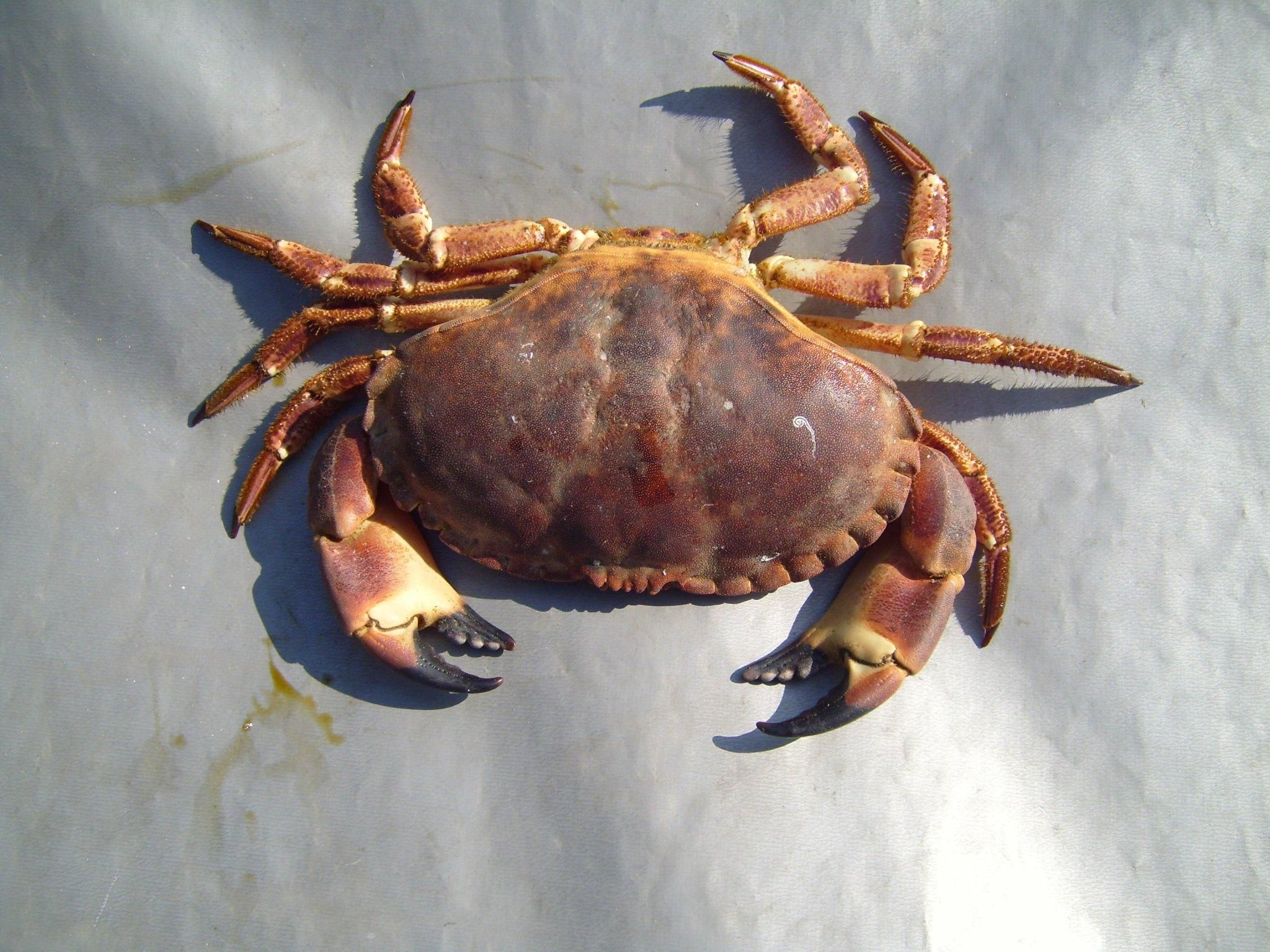
Crab meat is a high-value seafood protein derived from decapod crustaceans of the Brachyura infraorder, characterized by its distinct sweet, briny flavor and firm yet tender texture. Unlike finfish, which primarily consist of muscle tissue from the body, crab meat originates from multiple anatomical regions—including claws, legs, and the abdominal section (often referred to as "body meat")—each offering unique culinary properties. Its protein composition (approximately 18–22% by weight) and low-fat content make it a prized ingredient in global cuisines, though its availability and quality are heavily influenced by biological, ecological, and seasonal factors.The classification of crab meat extends beyond mere species differentiation; it encompasses anatomical segmentation, molting cycles, and geographic sourcing, all of which dictate flavor, texture, and market value. While some crab species are harvested for their entire body, others are selectively processed to isolate high-demand parts, such as the lump meat from blue crabs or the leg clusters of king crabs. This segmentation ensures that consumers and chefs can match specific crab types to dishes requiring delicate, flaky, or robust textures.
Biological Classification and Anatomical Origin of Crab Meat
Crab meat is categorized based on its source within the crab’s body, each region contributing distinct sensory and structural attributes. The primary classifications include:- Claw Meat: Extracted from the chelipeds (front claws), this meat is typically denser and more fibrous, often used in hearty dishes like crab cakes or stews. The blue crab’s claws, for instance, yield a sweeter, more concentrated flavor compared to the legs.
Key Distinction from Other Seafood Proteins:
Unlike finfish (e.g., salmon or cod), which rely on myotomal muscle fibers, crab meat consists of striated muscle tissue arranged in a radial pattern, contributing to its faster cooking time and firmer bite. Additionally, crab proteins contain chitinous exoskeletons, which require specialized processing to extract meat efficiently, unlike the boneless fillets of fish or shellfish like shrimp.
Common Crab Species and Their Culinary Profiles
The global crab market features five dominant species, each exhibiting unique flavor, texture, and geographic constraints. Below is a comparative analysis of their characteristics, culinary applications, and economic factors:| Species Name | Geographic Origin | Meat Yield per Pound (edible %) | Culinary Use Cases | Average Market Price (USD/lb, 2023) |
|---|---|---|---|---|
| Blue Crab (Callinectes sapidus) | Atlantic Coast (USA/Canada), Gulf of Mexico | 40–50% |
|
$12–$25 (varies by season; peak in spring) |
| King Crab (Paralithodes camtschaticus, P. platypus) | Bering Sea (Alaska), Russia | 30–40% (legs dominate yield) |
|
$30–$60 (legs command premium pricing) |
| Snow Crab (Chionoecetes opilio) | Northwest Atlantic, Bering Sea | 25–35% |
|
$10–$20 (cheaper than king crab but versatile) |
| Dungeness Crab (Metacarcinus magister) | Pacific Coast (USA/Canada) | 50–60% (highest yield among table crabs) |
|
$15–$30 (seasonal; peak fall/winter) |
| Stone Crab (Menippe mercenaria) | Florida, Gulf Coast (USA) | 10–15% (claws only; legs discarded) |
|
$25–$50 (claws; legs sold separately at lower cost) |
Molting Process and Its Impact on Commercial Crab Meat Quality
The molting cycle—a critical biological process in crustaceans—directly influences the availability, size, and quality of crab meat for commercial harvest. Crabs undergo ecdysis (shedding their exoskeleton) to grow, a process divided into three phases:1. Intermolt Stage: The crab’s exoskeleton hardens, and muscle tissue accumulates protein and glycogen. This is the optimal harvesting window, as meat yield and flavor are maximized.
2. Premolt Stage: The exoskeleton softens, and the crab prepares to shed. Harvesting during this phase results in lower meat quality, as the flesh becomes watery and less flavorful.
3. Postmolt Stage: The crab emerges with a soft, vulnerable exoskeleton. Meat is least desirable due to high moisture content and poor structural integrity.
Commercial Implications:

Nutritional Profile and Health Benefits of Crab Meat
Crab meat is a nutrient-dense seafood prized for its high protein content, essential fatty acids, and array of vitamins and minerals. Its consumption is supported by scientific evidence linking it to cardiovascular health, immune function, and sustainable weight management. Below is a detailed breakdown of its macronutrient and micronutrient composition, along with comparative analyses of different forms of crab meat and potential allergenic considerations.Macronutrient and Micronutrient Composition per 100g (Cooked)
Crab meat is classified as a lean protein source, with its nutritional profile varying slightly depending on the species (e.g., blue crab, king crab, snow crab). The following values are approximate averages for cooked crab meat, excluding shell and exoskeleton:- Calories: ~84–90 kcal
Key Micronutrients (per 100g cooked):
The omega-3 fatty acids in crab meat contribute to its anti-inflammatory properties, while selenium and zinc play pivotal roles in immune defense. The high B12 content makes it particularly valuable for vegetarians and vegans transitioning to seafood.
Three Key Health Benefits of Crab Meat
Crab meat is associated with three primary health benefits, supported by nutritional science and epidemiological studies:1. Cardiovascular Health and Omega-3 Fatty Acids
Crab meat contains measurable amounts of eicosapentaenoic acid (EPA) and docosahexaenoic acid (DHA), which reduce triglyceride levels, lower blood pressure, and decrease the risk of arrhythmias. A 2016 meta-analysis published in The American Journal of Clinical Nutrition found that seafood consumption (including crab) was inversely associated with coronary heart disease mortality, with omega-3 intake reducing risk by up to 36%. The combination of lean protein and omega-3s also supports healthy cholesterol profiles by increasing HDL ("good" cholesterol) while moderating LDL oxidation.
2. Immune Support and Micronutrient Synergy
The selenium and zinc content in crab meat enhances immune function by promoting natural killer (NK) cell activity and T-cell proliferation. A study in The Journal of Trace Elements in Medicine and Biology (2018) demonstrated that selenium supplementation improved antibody responses in adults, while zinc deficiency is linked to impaired immune surveillance. Additionally, vitamin B12 and niacin contribute to cellular energy production, indirectly supporting immune cell metabolism. Crab meat’s low calorie-to-nutrient ratio makes it an efficient source of these micronutrients without excessive caloric intake.
3. Low-Calorie High-Protein Source for Weight Management
With approximately 18–20g of protein per 100g and negligible carbohydrates, crab meat is a satiating, low-calorie alternative to red meats and processed proteins. Research in Obesity Reviews (2017) highlighted that high-protein diets increase thermogenesis (calorie burning) by up to 20–30% and reduce ghrelin (hunger hormone) levels. The satiety index of crab meat (ranked among the highest for seafood) helps regulate appetite, making it suitable for weight loss or maintenance diets. Its low glycemic load also benefits blood sugar control, particularly for individuals with insulin resistance.
Nutritional Comparison: Canned Crab Meat vs. Fresh Crab Meat vs. Imitation Crab
The processing and formulation of crab meat significantly alter its nutritional profile, sodium content, and potential contaminants. Below is a comparative analysis of the three primary forms:Note: Values are approximate and vary by brand/processing method. Fresh crab is the least processed, while imitation crab contains no actual crab meat.
| Nutrient/Parameter | Fresh Crab Meat (Cooked) | Canned Crab Meat (Drained) | Imitation Crab (Surimi) |
|---|---|---|---|
| Protein (per 100g) | 18–20g | 15–18g | 6–10g (varies; often lower) |
| Total Fat (per 100g) | 1–1.5g | 0.5–1g | 1–3g (often higher due to fillers) |
| Omega-3 Fatty Acids (EPA/DHA) | 0.2–0.4g | 0.1–0.2g (loss during canning) | 0g (unless fortified) |
| Sodium (per 100g) | 120–150mg | 300–600mg (high due to brine) | 500–900mg (highest; additives) |
| Cholesterol (per 100g) | 60–80mg | 50–70mg | 30–50mg (lower, but offset by fillers) |
| Mercury Levels | Low (varies by species; king crab generally safe) | Low (unless contaminated during processing) | None (plant-based surimi) |
| Additives/Preservatives | None | BPA-lined cans (if not BPA-free), sodium benzoate | Wheat starch, egg white, carrageenan, TBHQ, artificial flavors |
| Allergen Risk | Shellfish (tropomyosin) | Same as fresh + potential can lining allergens | Wheat/egg allergens (if present) |
| Vitamin Retention | High (B12, selenium, zinc) | Moderate (heat-sensitive vitamins like B12 may degrade) | Minimal (synthetic fortification only) |
Culinary Uses and Global Preparations of Crab Meat
Crab meat occupies a central role in global cuisine, valued for its delicate texture, sweet flavor, and versatility across diverse cooking techniques. Traditional preparation methods significantly influence its final characteristics—whether achieving a tender, flaky consistency or preserving its natural brininess. This section explores three foundational techniques for processing crab meat, iconic dishes that showcase its cultural significance, strategies for crafting balanced seafood platters, and the ecological implications of harvesting practices on both flavor and marine ecosystems.Traditional Preparation Methods and Their Impact on Texture and Flavor
The method used to prepare crab meat determines its texture (firm, flaky, or gelatinous) and flavor intensity (subtle, briny, or umami-rich). Below are three widely practiced techniques, each requiring precise execution to optimize quality.1. Steaming (Live or Fresh Crab)
Steaming is the most common method for preparing whole crabs or crab legs, preserving moisture and minimizing toughness. The process involves placing live or freshly killed crabs in a steamer basket over boiling water for 8–12 minutes, depending on size. The steam penetrates the exoskeleton, causing the crab to release its own enzymes, which tenderize the meat without overcooking it.
2. Boiling (Pre-Cooked or Frozen Crab)
Boiling is typically used for pre-cooked or frozen crab meat, often as a preliminary step before further preparation. The crab is submerged in salted or unsalted water (depending on desired saltiness) and boiled for 5–10 minutes. For frozen crab, thawing in cold water before boiling prevents texture loss.
3. Cold-Water Shock (Shucking and Quick Chilling)
Cold-water shock is a professional technique used to separate crab meat from the shell while maintaining tenderness. After boiling or steaming, the crab is immediately submerged in ice water for 10–15 minutes, then shucked (shell removed) by hand. The cold water stops enzyme activity, preventing the meat from becoming mushy.
Iconic Dishes Featuring Crab Meat Across Cultures
Crab meat is a staple in regional cuisines, often transformed through unique ingredients and techniques. Below are five globally recognized dishes, highlighting their preparation methods and cultural adaptations.1. Maryland Crab Cakes (United States)
A cornerstone of Chesapeake Bay cuisine, Maryland crab cakes are crafted from lump crab meat, breadcrumbs, Old Bay seasoning, and eggs, bound into patties and pan-fried in butter until golden.
2. Kamaboko (Japan)
A traditional Japanese jellyfish-like fish cake, often made with snow crab or tuna, kamaboko is steamed or boiled into a translucent, gelatinous form. While typically fish-based, crab versions (kani-kamaboko) are gaining popularity.
3. Tom Yum Goong with Crab (Thailand)
A spicy-sour soup, tom yum goong traditionally features shrimp, but crab meat (especially blue crab or mud crab) adds a richer, sweeter depth. The dish balances lemongrass, galangal, kaffir lime leaves, chili, and lime juice.
4. Crab Bisque (France/United States)
A luxurious cream-based soup, crab bisque originated in 18th-century France and was later adapted in the U.S. using blue crab or Dungeness crab. The dish emphasizes velouté sauce, brandy, and sherry.
5. Crab Rangoon (Global Fusion)
A crispy, fried appetizer popular in Chinese-American and Southeast Asian cuisines, crab rangoon consists of wonton wrappers filled with crab meat and cream cheese, deep-fried until golden.
Designing a Balanced Seafood Platter with Crab Meat as the Centerpiece
A well-curated seafood platter featuring crab meat should balance texture, flavor, and presentation, incorporating complementary proteins, vegetables, and sauces. Below is a structured approach to assembling a cohesive dish, including pairing suggestions for sides, wines, and garnishes.Core Components of the Platter
Complementary Pairings
A balanced platter should include at least two textures (e
Sourcing, Storage, and Safety of Crab Meat
The integrity of crab meat—from harvest to consumption—depends on meticulous sourcing, cold chain logistics, and proper handling to preserve quality and mitigate food safety risks. Temperature control, storage techniques, and pathogen awareness are critical at every stage, particularly for live crabs and pre-cooked products, which vary in shelf life and microbial susceptibility. Understanding these factors ensures compliance with food safety standards and maintains the sensory and nutritional value of crab meat.
Cold Chain Process for Transporting Live Crabs
The cold chain for live crabs begins at the point of harvest and continues through processing, storage, and distribution to maintain meat quality and prevent spoilage. Live crabs are highly perishable due to their enzymatic activity and microbial load, making temperature regulation essential. The process typically involves:
Pre-cooling: Immediately after harvest, crabs are placed in insulated containers with ice or chilled seawater (4–10°C) to slow metabolic activity and reduce stress. Transportation: Live crabs are transported in refrigerated trucks or vessels equipped with ventilation to maintain oxygen levels and prevent suffocation. Temperature fluctuations above 15°C accelerate spoilage by promoting bacterial growth (e.g., Shewanella putrefaciens) and enzymatic degradation of proteins. Market Delivery: Upon arrival, crabs are sorted by species and size, then stored in chilled holding tanks or on ice until processing. Delays or improper cooling (e.g., exposure to direct sunlight) can lead to black gills, a sign of spoilage caused by bacterial action on hemoglobin. Signs of Spoilage in Live vs. Pre-Cooked Crab
Live crabs exhibit early spoilage indicators such as:
Discoloration: Blackening of the gills, legs, or shell, or a dull, muddy appearance. Odor: Sour, ammonia-like, or "fishy" smells from bacterial fermentation. Texture: Slimy or mushy flesh when probed, indicating tissue breakdown. Behavior: Lethargy, inability to right themselves, or excessive mucus production. Pre-cooked crab meat spoils more rapidly due to the absence of protective shells. Key indicators include:
Off-odors: Sulfurous, rotten, or putrid smells from volatile amines and hydrogen sulfide. Slime: Excessive moisture or a sticky residue on surfaces. Color Changes: Grayish or greenish hues in the meat, signaling microbial contamination. Gas Formation: Bubbles or foaming in packaged products, often due to Clostridium or Pseudomonas activity. Proper Storage Techniques for Crab Meat at Home
Crab meat requires strict storage protocols to prevent bacterial proliferation and texture degradation. The following checklist ensures freshness and safety:Refrigeration (Short-Term Storage)
Fresh Crab Meat: Store in an airtight container submerged in ice water or wrapped in damp paper towels within a sealed bag. Consume within 1–2 days for optimal quality. Pre-Cooked Crab Meat: Keep in the coldest part of the refrigerator (0–4°C) in its original packaging or an airtight container. Shelf life extends to 3–4 days, but flavor and texture degrade after 2 days. Shell-on Crabs: Rinse briefly, pat dry, and store in a ventilated container lined with ice or a damp towel. Live crabs can be kept for 3–5 days if temperatures remain stable. Freezing (Long-Term Storage)
Blanching: Pre-cook crab meat for 2–3 minutes to halt enzymatic activity, then plunge into ice water to stop cooking. Drain and pat dry. Packaging: Use vacuum-sealed bags or airtight containers with moisture-resistant barriers. Label with the date. Freezer Temperature: Maintain at -18°C or below to prevent freezer burn. Crab meat retains quality for 3–6 months for cooked products and 6–12 months for raw (though texture may soften upon thawing). Thawing: Transfer to the refrigerator 24 hours prior to use. Avoid microwave thawing for raw crab to prevent partial cooking and bacterial growth. Thawing and Reuse
Refrigerator Thawing: Safe and recommended; allows even temperature distribution. Cold Water Thawing: Submerge sealed packaging in cold water (change every 30 minutes). Never use warm water. Cooking from Frozen: Possible for pre-cooked crab, but may result in uneven heating. Increase cooking time by 50%. Re-freezing: Avoid re-freezing thawed crab meat unless it has been cooked to 70°C (158°F) to eliminate pathogens. Common Foodborne Pathogens in Crab Meat and Mitigation Practices
Crab meat is susceptible to contamination by five primary pathogens, often introduced during handling, processing, or storage. Understanding their risks and prevention strategies is critical for food safety. The following table outlines key pathogens, their sources, and control measures:
Pathogen Sources of Contamination Symptoms Prevention Measures Vibrio spp. (e.g., V. parahaemolyticus, V. vulnificus) Raw or undercooked seafood, contaminated water during harvest, cross-contamination from raw surfaces. Gastroenteritis (diarrhea, vomiting, abdominal cramps), wound infections, septicemia (in immunocompromised individuals).
- Cook crab meat to an internal temperature of 63°C (145°F) for 15 seconds.
- Store raw crab at ≤4°C and avoid thawing at room temperature.
- Use separate cutting boards and utensils for raw and cooked crab.
- Consume raw crab (e.g., sushi-grade) only from reputable suppliers with Vibrio certification.
Salmonella spp. Contaminated processing environments, fecal matter from live crabs, cross-contamination with other proteins. Fever, diarrhea, abdominal pain, headache (onset: 6 hours–6 days).
- Pasteurize crab meat to ≥60°C (140°F) for 90 seconds if used raw.
- Sanitize surfaces and equipment with chlorine (100 ppm) or quaternary ammonium compounds.
- Wash hands and tools after handling raw crab.
Listeria monocytogenes Ready-to-eat crab products (e.g., pre-cooked, canned), contaminated processing plants, improper refrigeration. Flu-like symptoms, meningitis, miscarriage (in pregnant women).
- Store pre-cooked crab at ≤4°C and consume within recommended shelf life.
- Heat ready-to-eat crab products to ≥74°C (165°F) before consumption.
- Clean refrigerators and storage areas regularly with hot water and soap.
Clostridium botulinum Improperly canned or vacuum-packaged crab, low-acid environments (pH >4.6), anaerobic conditions. Botulism (muscle weakness, blurred vision, respiratory failure; fatal if untreated).
- Avoid home-canning crab; use commercially processed, botulism-tested products.
- Discard vacuum-packaged crab if swelling, leakage, or foul odor is present.
- Cook canned crab to ≥85°C (185°F) to destroy spores.
Escherichia coli (ETEC/STEC strains) Fecal contamination during harvest or processing, cross-contamination with raw meats. Severe diarrhea, hemolytic urem Crab meat emerges not only as a cornerstone of seafood gastronomy but also as a testament to the intersection of marine biology, nutrition, and sustainable resource management. Its versatility in dishes—from Maryland crab cakes to Japanese kamaboko—reflects a global culinary heritage, while its protein-rich, low-calorie profile aligns with modern health priorities. As consumer awareness grows regarding sourcing ethics and food safety, the industry faces both challenges and opportunities to preserve crab populations while meeting demand. By mastering its preparation, understanding its nutritional benefits, and advocating for responsible harvesting, stakeholders can ensure crab meat remains a sustainable, flavorful, and healthful staple for generations to come.
FAQ
What ingredients or components make up crab meat?
Crab meat is the edible flesh from a crab’s body (claw, leg, or body meat), often sold fresh, canned, or imitation. It contains protein, omega-3 fatty acids, vitamins (like B12), and minerals (like iodine and selenium), though nutrition varies by species and preparation.
What health benefits does eating crab meat offer?
Crab meat is high in protein and low in fat, supporting muscle health and satiety. It provides omega-3s for heart health, antioxidants (like astaxanthin in blue crab), and essential nutrients like vitamin B12 and selenium, which boost immunity and brain function.
What are the different names for crab meat in stores or recipes?
Crab meat is often labeled by species (e.g., blue crab, king crab, Dungeness) or preparation (e.g., "lump" for chunky pieces, "flake" for finely chopped). Imitation crab (surimi) is made from fish, typically pollock or whiting, and bound with starch or egg white.
What does crab meat taste and feel like?
Crab meat has a sweet, briny, slightly fishy flavor with a delicate, firm texture when fresh. Lump crab is chewy and chunky, while flake crab is softer and more uniform. Canned crab is often milder and more uniform in texture.
What is crab meat tempura, and how is it made?
Crab meat tempura is a Japanese dish where crab legs or imitation crab sticks are coated in a light, crispy batter (flour, egg, and ice water) and deep-fried until golden. It’s served with a dipping sauce like tentsuyu (soy-based) or spicy mayo.
What makes crab meat special or unique compared to other seafood?
Crab meat stands out for its sweet, luxurious flavor and versatility—used in everything from sushi to bisques. Its high protein content and unique texture (especially in lump form) make it a premium ingredient, though freshness and species greatly affect quality. Some varieties, like king crab, are prized for their size and tenderness.
Leave a Comment
Comments are moderated before appearing. The data you submit is processed according to the Privacy Policy of Voltefac.