What Is Sesame Botanical Nutrition Culinary And Beyond
Table of Contents
- Botanical and Scientific Overview of Sesame ( Sesamum indicum )
- Taxonomic Classification and Genetic Diversity
- Physical Characteristics and Seed Morphology
- Geographical Origins and Historical Domestication
- Nutritional Profile and Health Benefits of Sesame ( Sesamum indicum )
- Macronutrient Composition and Comparative Analysis with Other Seeds
- Micronutrient Content and Bioactive Compounds
- Evidence-Based Health Benefits
- Traditional Medicinal Uses of Sesame
- Culinary Uses and Global Applications of Sesame ( Sesamum indicum )
- Regional Culinary Preparations Featuring Sesame
- Step-by-Step Preparation of Three Distinct Sesame-Based Dishes
- Agricultural Practices and Economic Impact of Sesame ( Sesamum indicum )
- Global Sesame Production and Export Trends
- Cultivation Process and Optimal Growing Conditions
- Economic Significance and Trade Dynamics
- Sesame Supply Chain: From Farm to Consumer
- Sesame Supply Chain Overview
- Industrial and Non-Food Applications of Sesame ( Sesamum indicum )
- Sesame Oil in Cosmetics and Personal Care
- Textile and Leather Industry Applications
- Sesame in Biofuels and Renewable Energy
- Sesame in Sustainable and Green Chemistry
- Emerging and Niche Applications of Sesame
- FAQ
- What exactly is sesame chicken and how is it made?
- What are sesame seeds and where do they come from?
- What is sesame oil and how is it different from other cooking oils?
- What is sesame oil used for besides cooking?
- What are the health benefits of sesame seeds?
- What is the name for sesame seeds in Hindi?
Sesame, one of the world’s oldest cultivated oilseeds, stands as a cornerstone of both ancient traditions and modern industries. Known scientifically as Sesamum indicum, this resilient plant has thrived for millennia, evolving from its African and Middle Eastern origins into a global agricultural and nutritional powerhouse. Beyond its culinary versatility—spanning tahini, sesame oil, and gomasio—sesame seeds deliver unparalleled health benefits, from cardiovascular support to bone density enhancement, while its industrial applications extend to cosmetics, biofuels, and sustainable materials. This exploration examines sesame’s botanical intricacies, nutritional superiority, cultural significance, and economic impact, revealing why it remains indispensable across continents and sectors.
The plant’s distinctive seed variations—ranging from white to black—reflect its adaptability, while its high protein, mineral-rich profile and unique fatty acid composition distinguish it from other oilseeds like sunflower or flax. Culturally, sesame bridges traditions, from Ayurvedic remedies to Japanese goma-shio, while modern agriculture leverages its drought resistance to sustain livelihoods in arid regions. Economically, sesame fuels trade networks, supports smallholder farmers, and drives innovation in non-food sectors, positioning it as a multifaceted resource for the future.
:strip_icc()/the-spoon-contains-northeast-black-sesame-1372238451-b049bcf4c4364828a099729553155ac5.jpg)
Botanical and Scientific Overview of Sesame (Sesamum indicum)
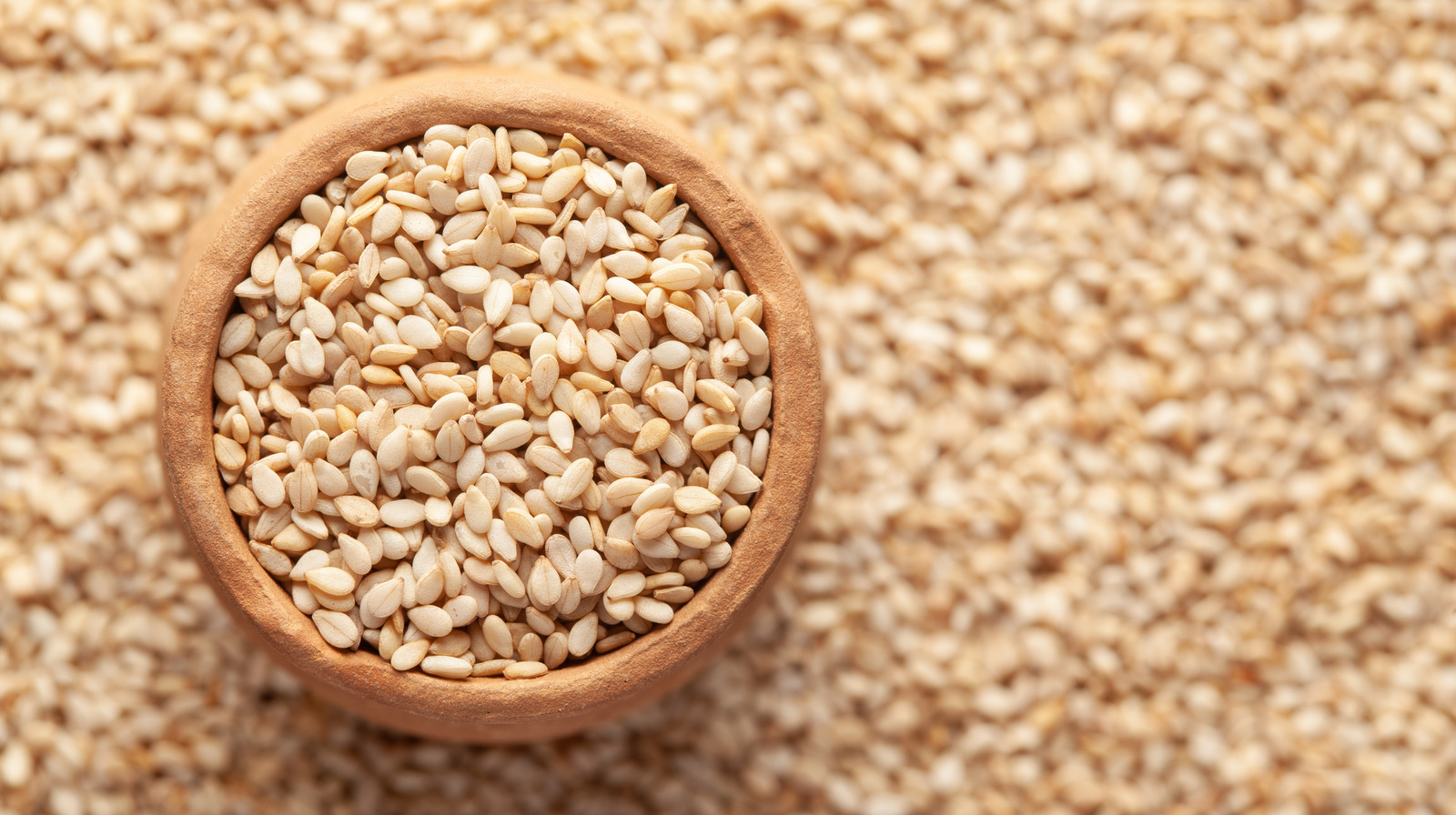
Sesame (Sesamum indicum L.) is a highly valued oilseed crop belonging to the Pedaliaceae family, distinguished by its rapid growth cycle, drought tolerance, and exceptional seed oil content. Classified under the genus Sesamum, it is one of the oldest cultivated crops, with archaeological evidence tracing its use to ~3500 BCE in the Fertile Crescent. Its scientific name, Sesamum indicum, reflects its historical association with the Indian subcontinent, though its origins likely span across Africa and the Middle East, where it was domesticated for both culinary and medicinal purposes.The sesame plant exhibits unique botanical adaptations that contribute to its resilience and economic significance. Its erect, branched stems can reach heights of 0.5–2 meters, depending on variety, while its opposite, lanceolate leaves feature serrated margins and a waxy coating that reduces water loss. The flower morphology is equally distinctive: small, tubular, and typically white, pink, or purple, with a four-lobed corolla and a two-lipped structure that facilitates cross-pollination. Post-flowering, the plant develops capsular fruits (pods) containing 50–100 seeds per plant, which vary in color—white, black, brown, gold, or green—due to differences in pigment composition (e.g., anthocyanins in black sesame, carotenoids in gold). These seeds are encased in a fibrous, dehiscent pod that naturally splits open at maturity, a trait that historically posed challenges for mechanical harvesting but also contributed to its symbolic representation as the "Queen of Oilseeds."
Taxonomic Classification and Genetic Diversity
Sesame’s taxonomic placement within the Pedaliaceae family distinguishes it from other major oilseed crops, which primarily belong to the Asteraceae (sunflower) or Linaceae (flax) families. The genus Sesamum comprises ~150 species, though only Sesamum indicum has been extensively domesticated. Genetic studies reveal two primary gene pools: the primary gene pool (cultivated varieties) and the secondary gene pool (wild relatives like Sesamum radiatum), enabling hybrid vigor and disease resistance breeding. Key genetic markers, such as SSR (Simple Sequence Repeats) and SNP (Single Nucleotide Polymorphisms), are used to classify varieties into oil-type (high oil content, e.g., white sesame) and dual-purpose (both oil and protein, e.g., black sesame) categories.The plant’s self-incompatibility system (a genetic barrier to self-pollination) necessitates cross-pollination, a trait that has been exploited in breeding programs to enhance yield and stress tolerance. Modern cultivars exhibit heterosis, where hybrid crosses between genetically divergent lines produce ~20–30% higher yields than inbred parents. For example, the MY-1 hybrid (a cross between Sesamum indicum and Sesamum malabaricum) demonstrates superior drought resistance in arid climates like those in India and Sudan.
Physical Characteristics and Seed Morphology
The sesame plant’s phenotypic plasticity allows it to thrive in diverse agroclimatic zones, with morphological variations influenced by day length, temperature, and soil fertility. Key physical traits include:- Root System: A taproot with lateral roots extending 1–1.5 meters deep, enabling access to groundwater in drought-prone regions. Secondary roots develop nodules with nitrogen-fixing bacteria (Rhizobium spp.), reducing reliance on synthetic fertilizers.
| Seed Color | Primary Pigments | Antioxidant Content (mg/100g) | Culinary Uses | Regional Prevalence |
|---|---|---|---|---|
| White | Lack of anthocyanins; high carotenoids | 12–18 (lutein, zeaxanthin) | Oil extraction, baking (halva, tahini) | India, China, Sudan |
| Black | Anthocyanins (cyanidin-3-glucoside) | 120–150 (highest among sesame) | Traditional medicine, dark pastries | Ethiopia, Japan, Korea |
| Brown | Mix of anthocyanins and flavonoids | 50–70 | Ground for seasoning (goma in Ethiopia) | |
| Gold | Carotenoids (lutein, beta-carotene) | 30–45 | Snack foods, confectionery | USA, Australia |
Geographical Origins and Historical Domestication
Sesame’s domestication is rooted in ancient Africa and the Middle East, with Egyptian tomb paintings (~1600 BCE) depicting sesame cultivation. Genetic evidence from ethnobotanical studies suggests two primary domestication centers:1. Ethiopia/Sudan Region: Home to wild Sesamum species like S. radiatum, where early farmers selected for large-seeded, non-shattering pods.
2. Indus Valley (Modern Pakistan/India): Archaeological sites in Harappa and Mohenjo-Daro reveal sesame seeds dating to ~3000 BCE, linked to its use in Ayurvedic medicine and as an offering in religious rituals.
The Silk Road facilitated sesame’s spread to China (~2000 BCE), where it was documented in the Shennong Bencaojing (a 3rd-century BCE pharmacopeia). By the 1st century CE, sesame had reached Rome, where Pliny the Elder described it as "the best of all oils." The Arab conquests (7th–8th centuries CE) introduced sesame to Spain and North Africa, while Portuguese and Dutch traders disseminated it to the Americas by the 16th century.
Today, global sesame production is concentrated in:
Nutritional Profile and Health Benefits of Sesame (Sesamum indicum)
Sesame seeds are among the most nutrient-dense seeds globally, offering a balanced profile of macronutrients, essential minerals, and bioactive compounds. Their nutritional composition supports metabolic health, structural integrity, and disease prevention, distinguishing them from other common seeds like chia and pumpkin. This section examines their macronutrient breakdown, micronutrient richness, and evidence-based health benefits, emphasizing their role in cardiovascular, skeletal, and inflammatory systems.Macronutrient Composition and Comparative Analysis with Other Seeds
Sesame seeds (100g, raw) provide a caloric density of 573 kcal, with a macronutrient distribution that prioritizes healthy fats and moderate protein. Their lipid profile is particularly notable for its omega-6 (46% of total fat) and omega-3 (0.3% of total fat) ratio, which contrasts with seeds like chia (omega-6: 18%, omega-3: 60%) and pumpkin (omega-6: 40%, omega-3: 0.4%). The protein content (18.5g per 100g) is comparable to pumpkin seeds (19.1g) but exceeds chia (16.5g), while their carbohydrate content (15g, primarily fiber-rich) is lower than chia (42g) but higher than pumpkin (10g).The fatty acid composition of sesame is dominated by oleic acid (39–45%) and linoleic acid (38–42%), with minimal saturated fats (13–15%). This balance supports cardiovascular health by reducing LDL cholesterol while maintaining HDL levels, a benefit less pronounced in seeds with higher saturated fat content (e.g., sunflower seeds). The amino acid profile of sesame includes all essential amino acids, with methionine and cysteine being particularly abundant, addressing deficiencies common in plant-based diets.
| Nutrient (per 100g) | Sesame | Chia | Pumpkin |
|---|---|---|---|
| Calories (kcal) | 573 | 486 | 512 |
| Protein (g) | 18.5 | 16.5 | 19.1 |
| Total Fat (g) | 49.7 | 30.7 | 44.2 |
| Omega-6 (g) | 22.8 | 5.5 | 17.7 |
| Omega-3 (g) | 0.15 | 18.5 | 0.2 |
| Carbohydrates (g) | 15.0 | 42.1 | 10.0 |
| Fiber (g) | 11.2 | 34.4 | 5.2 |
Micronutrient Content and Bioactive Compounds
Sesame seeds are a biodynamic source of minerals and antioxidants, with concentrations that surpass many seeds in critical nutrients. Their calcium content (975mg per 100g) is among the highest of all seeds, providing ~100% of the Daily Value (DV), while magnesium (351mg, 83% DV) and iron (10.9mg, 60% DV) contribute to bone density and oxygen transport. Zinc (6.8mg, 62% DV) supports immune function, and copper (1.6mg, 73% DV) acts as a cofactor in enzyme reactions.The seed’s antioxidant profile is dominated by sesamol (0.1–0.3% of seed weight), a lignan-derived compound with neuroprotective and chemopreventive properties, and sesamin (0.3–0.5%), which inhibits cholesterol synthesis and reduces oxidative stress. Other notable compounds include:
These compounds contribute to sesame’s ORAC (Oxygen Radical Absorbance Capacity) value of ~1,200 µmol TE/g, higher than chia (1,000 µmol TE/g) and pumpkin (500 µmol TE/g), positioning it as a potent dietary antioxidant.
Evidence-Based Health Benefits
Sesame’s nutritional and bioactive composition underpins its therapeutic applications, supported by clinical and epidemiological studies. Key health benefits include:- Cardiovascular Support
- Anti-Inflammatory and Immunomodulatory Effects
- Bone Health and Mineralization
- Neuroprotection and Cognitive Function
- Gastrointestinal and Detoxification Benefits
Traditional Medicinal Uses of Sesame
Sesame’s therapeutic applications extend across ancient medical systems, where its seeds, oil, and extracts were prescribed for systemic and localized ailments. Historical texts and modern ethnopharmacological studies validate its use in:Ayurveda (Charaka Samhita, ~300 BCE–200 CE)
Sesame oil (Til Taila): Applied topically for vata disorders (neurological conditions) and internally as a rasayana (rejuvenative) to balance all three doshas (vata, pitta, kapha). Black sesame (Kali Til): Used in palliative care for chronic coughs and respiratory congestion due to its expectorant properties. Sesame seed paste (Til Lehyam): Administered for anemia and weakness, leveraging its iron and copper content. Citation: Charaka Samhita, Sutra Sthana 27.12–1
Culinary Uses and Global Applications of Sesame (Sesamum indicum)
Sesame (Sesamum indicum) transcends its nutritional and medicinal value to become a cornerstone of global culinary traditions, adapting to diverse flavor profiles and cooking techniques. Its versatility stems from its ability to function as a garnish, binding agent, flavor enhancer, or primary ingredient across cuisines. From the nutty richness of tahini in Middle Eastern dips to the delicate aroma of toasted sesame oil in Asian stir-fries, sesame’s applications reflect its deep cultural integration. This section explores its regional culinary roles, practical preparation methods, functional versatility in cooking, and the distinct characteristics of sesame oil varieties, emphasizing both traditional and modern adaptations.
Regional Culinary Preparations Featuring Sesame
Sesame’s adaptability has led to specialized preparations in distinct culinary traditions, often tied to historical trade routes and local ingredient availability. Below is a categorized overview of its most prominent applications, highlighting both staple and niche uses.Sesame’s role in global cuisine can be broadly categorized as follows:
- Middle East and North Africa
Tahini, a paste made from ground sesame seeds, serves as the base for hummus, baba ganoush, and halva. Sesame seeds are also sprinkled on flatbreads like pita or used in sweets such as kunafa. In Egypt, tahini is mixed with honey and dates for a traditional breakfast spread, while in Lebanon, sesame seeds are pressed into oil for cooking and salad dressings.- East and Southeast Asia
Toasted sesame oil is a staple in Chinese and Japanese cuisine, used in stir-fries, noodle dishes, and as a finishing oil for rice bowls. In Japan, gomasio (a salt-sesame seed blend) enhances the umami of miso soups and grilled dishes. Korean ganjang (soy sauce) often includes sesame seeds for texture, while in Thailand, sesame paste (tao huam) is a key ingredient in satay marinades and curries.- South Asia
Sesame oil, particularly in its cold-pressed form, is sacred in Indian Ayurvedic cooking, used for tempering (tadka) in lentil dishes and as a carrier for spices in chutneys. In Pakistan, shami kachori (savory pastries) are topped with sesame seeds, while in Sri Lanka, sesame is ground into a paste for lunu miris (spicy onion sambol). Bangladesh uses sesame in pitha (rice cakes) and luchi (deep-fried bread).- Sub-Saharan Africa
In Ethiopia, sesame seeds are crushed into shiro powder, a spiced flour used in stews like misir wat. West African cuisines incorporate sesame into soumbala (a fermented paste) and as a garnish for jollof rice. In Nigeria, sesame oil is used in ewedu (jute leaf soup) for added richness.- Europe and the Americas
Sesame seeds are popular as a crunchy topping for bagels, pretzels, and baked goods in the U.S. and Europe, while sesame oil appears in Italian pesto variants and Spanish alioli. In Latin America, sesame is used in arepas (Venezuelan corn cakes) and as a coating for fried snacks. Vegan baking increasingly relies on sesame as an egg substitute or binder in cookies and cakes.- Modern and Fusion Cuisine
Sesame’s neutral yet robust flavor makes it a favorite in contemporary dishes, such as sesame-crusted meats, vegan "tuna" salads, and gluten-free crackers. Chefs experiment with sesame-infused chocolates, fermented sesame pastes, and even sesame-based mayonnaise alternatives, expanding its culinary frontier.Step-by-Step Preparation of Three Distinct Sesame-Based Dishes
Sesame’s culinary applications extend beyond simple garnishes to complex preparations requiring technique and precision. The following recipes demonstrate its versatility in savory, nutty, and textural applications, suitable for both home cooks and professional kitchens.
- Classic Hummus with Tahini and Toasted Sesame Seeds
A creamy Middle Eastern dip where sesame seeds form the foundation of tahini and provide crunch as a garnish.
- Ingredients:
- 1 cup (250g) dried chickpeas (or 1 can, drained and rinsed)
- ½ cup (120g) tahini
- 3 garlic cloves, minced
- Juice of 1 lemon (about 3 tbsp)
- ½ cup (120ml) cold water (adjust for consistency)
- 1 tsp ground cumin
- ½ tsp ground coriander
- Salt to taste
- 2 tbsp olive oil
- 2 tbsp toasted sesame seeds (for garnish)
- Paprika or chili flakes (optional, for serving)
- Method:
- If using dried chickpeas, soak overnight, then boil until tender (about 45 minutes). Drain, reserving ½ cup cooking liquid.
- Blend chickpeas, tahini, garlic, lemon juice, cumin, coriander, and 2 tbsp water until smooth. Add reserved chickpea liquid gradually to achieve a thick, spreadable consistency.
- Transfer to a serving bowl, drizzle with olive oil, and sprinkle toasted sesame seeds and paprika. Serve with warm pita or vegetables.
Note: Tahini’s fat content emulsifies the hummus, while sesame seeds contribute nuttiness and texture. For a lighter version, reduce tahini to ¼ cup and increase olive oil.- Japanese Sesame Crackers (Goma Senbei)
A traditional snack where sesame seeds bind the crackers, offering a delicate crunch and umami depth.
- Ingredients:
- 1 cup (120g) toasted sesame seeds
- ½ cup (60g) rice flour
- ¼ cup (30g) sugar
- ¼ cup (60ml) water
- 1 tsp soy sauce
- ½ tsp salt
- 1 tbsp neutral oil (for shaping)
- Method:
- Mix sesame seeds, rice flour, sugar, water, soy sauce, and salt into a dough. Knead for 5 minutes until elastic and smooth.
- Divide dough into 12 balls, flatten into thin circles (about 3mm thick), and coat lightly with oil to prevent sticking.
- Bake at 160°C (320°F) for 10–12 minutes until golden and crisp. Cool completely before storing in an airtight container.
Note: The dough’s elasticity relies on proper hydration and kneading. For extra crunch, bake at a lower temperature for a longer duration.- Stir-Fried Chinese Bok Choy with Sesame Dressing
A dish where sesame oil and seeds elevate simple greens with aromatic depth and visual appeal.
- Ingredients:
- 4 large bok choy heads, quartered
- 2 tbsp toasted sesame oil
- 1 tbsp vegetable oil
- 3 garlic cloves, minced
- 1 tsp grated ginger
- 1 tbsp soy sauce
- 1 tsp dark
Agricultural Practices and Economic Impact of Sesame (Sesamum indicum)
Sesame (Sesamum indicum) ranks among the oldest oilseed crops globally, with cultivation spanning over 5,000 years. Its agricultural significance extends beyond subsistence farming, playing a critical role in global trade, food security, and rural livelihoods. Production volumes, export trends, and economic contributions vary significantly by region, influenced by climatic suitability, market demand, and technological adoption. This section examines the cultivation techniques, key producing nations, economic impacts, and supply chain dynamics that shape sesame’s agricultural and commercial landscape.
Global Sesame Production and Export Trends
Sesame cultivation is concentrated in regions with warm climates and low humidity, where the crop thrives under short growing seasons. The top five sesame-producing countries by volume (2022–2023 estimates) include:
- Myanmar: Leading global producer (~1.2 million metric tons annually), driven by smallholder farming and favorable agroclimatic conditions.
- Sudan: Second-largest producer (~800,000 metric tons), with sesame as a staple cash crop for rural economies.
- India: Major exporter (~1.0 million metric tons), leveraging high-yielding varieties and mechanized processing.
- China: Dominates domestic consumption (~700,000 metric tons) with increasing industrial demand for sesame oil and snacks.
- Nigeria: Emerging producer (~500,000 metric tons), supported by government incentives for oilseed diversification.
Export Trends:
Global sesame trade exceeds 1.5 million metric tons annually, with key exporters including Myanmar (40% of global exports), Sudan (25%), and India (15%). Demand is highest in East Asia (China, Japan, South Korea) for food-grade sesame, while Middle Eastern and African markets prioritize oil extraction. Price volatility is influenced by:
- Climate shocks (e.g., droughts in Sudan reducing yields by 30% in 2021).
- Trade policies (e.g., Myanmar’s export restrictions post-2021 coup disrupting supply chains).
- Consumer preferences (e.g., rising demand for organic sesame in the EU, commanding 20–30% premiums).
"Sesame’s economic resilience stems from its dual role as a food staple and industrial raw material, making it a strategic crop for climate-vulnerable regions." — Food and Agriculture Organization (FAO), 2023Cultivation Process and Optimal Growing Conditions
Sesame’s cultivation cycle spans 90–120 days, with minimal input requirements compared to other oilseeds. Key stages include:Soil Preparation and Planting
Sesame thrives in well-drained, sandy loam soils with pH 6.0–7.5. Pre-sowing treatments involve:
- Land clearing: Manual or mechanical removal of weeds to prevent competition.
- Seedbed preparation: Light tillage to avoid compacting soil, which sesame’s shallow root system is sensitive to.
- Planting density: 10–15 seeds/m² for optimal spacing (rows 30–45 cm apart), adjusted for variety (e.g., dwarf varieties require closer spacing).
Climatic Requirements
- Temperature: Optimal range of 25–30°C during growth; sensitive to frost (<10°C) and excessive heat (>40°C).
- Rainfall: 400–600 mm annually, with critical needs during flowering (50–70 mm) to prevent pod abortion.
- Daylength: Short-day varieties (e.g., Sesamum indicum cv. Bara) dominate tropical regions, while long-day types (e.g., cv. Tilak) suit temperate zones.
Irrigation and Fertilization
- Drip irrigation is preferred in arid regions (e.g., India’s Gujarat state) to conserve water.
- Fertilizer application: Low nitrogen requirements (20–30 kg/ha) to avoid excessive vegetative growth; phosphorus (40–50 kg/ha) and potassium (30–40 kg/ha) are critical for pod development.
- Organic amendments: Compost or farmyard manure (5–10 tons/ha) improve soil structure in smallholder systems.
Pest and Disease Management
Sesame faces 120+ pest species and 50+ diseases, with yield losses reaching 30–50% without intervention. Key threats include:
- Pests:
- Helicoverpa armigera (pod borer): Causes 20–40% yield loss; managed via pheromone traps and Bt-resistant varieties (e.g., cv. RT-44).
- Aphids and thrips: Vector viral diseases; controlled with neem oil sprays or predatory insects (e.g., Coccinellidae).
- Diseases:
- Fusarium wilt: Soil-borne pathogen reducing yields by 50%; mitigated via crop rotation and resistant cultivars (e.g., cv. Vamban).
- Leaf spot (Alternaria spp.): Managed with copper-based fungicides or silver leaf mulching.
Harvesting and Post-Harvest Handling
- Timing: Harvested at physiological maturity (pods turn yellow/brown, ~120 days post-planting).
- Methods:
- Manual: Dominant in Myanmar/Sudan (labor-intensive but preserves seed quality).
- Mechanical: Used in India/China (combines with threshing units, reducing labor costs by 40%).
- Drying: Spread on tarps under shade to 8–10% moisture content to prevent mold (Aspergillus spp.).
- Storage: Sealed in hermetically sealed bags or silos to prevent insect infestation (e.g., Sitophilus oryzae).
Economic Significance and Trade Dynamics
Sesame’s economic impact varies by region, from subsistence farming in Sudan to industrial agribusiness in China. Key contributions include:Local Economic Roles
- Sudan: Sesame accounts for 15% of agricultural exports, generating $300–500 million annually. Smallholder farmers (80% of producers) earn $200–400/season, with women comprising 60% of the labor force.
- Myanmar: Provides 200,000+ rural jobs; cooperatives in Magway and Sagaing regions process sesame into oil, halva, and seeds, adding 30% value before export.
- India: Gujarat and Rajasthan states contribute 60% of national production, with cooperative societies (e.g., Gujarat State Cooperative Federation) facilitating bulk sales to global buyers.
Global Trade and Fair Trade Initiatives
Sesame’s supply chain involves three primary value chains:
1. Food-grade sesame: Whole seeds for culinary use (e.g., tahini in Israel, gomasio in Japan).
2. Oil extraction: Cold-pressed oil for cosmetics/biodiesel (e.g., Myanmar exports 80% of its oil to China).
3. By-products: Sesame cake (protein-rich animal feed) and hulls (used in biodegradable plastics in the EU).Fair Trade and Sustainability:
- Certified Fair Trade sesame (e.g., from Sudan’s Gezira Scheme) ensures $0.20–0.30/kg premiums for farmers, funding community health programs.
- Climate-smart agriculture: Projects in Nigeria and Ethiopia promote drought-resistant varieties (e.g., cv. Sesame-9) and water-efficient drip irrigation.
- Waste reduction: India’s sesame processing hubs (e.g., Vadodara) recover 90% of hulls for biofuel, reducing landfill waste.
"Sesame’s low-water footprint (500 L/kg vs. 1,500 L/kg for soybeans) positions it as a climate-resilient crop for arid regions, aligning with UN Sustainable Development Goal 2 (Zero Hunger)." — International Crops Research Institute for the Semi-Arid Tropics (ICRISAT), 2022Sesame Supply Chain: From Farm to Consumer
The sesame supply chain involves five key stages, each with distinct economic and logistical challenges. Below is a structured flowchart illustrating the process:
Sesame Supply Chain Overview
Industrial and Non-Food Applications of Sesame (Sesamum indicum)
Sesame (Sesamum indicum) extends its utility beyond culinary applications, serving as a versatile raw material in industrial sectors due to its biochemical composition, sustainability, and multifunctional properties. Beyond food, sesame oil, seeds, and derived compounds find applications in cosmetics, textiles, biofuels, and emerging green technologies. Industrial utilization of sesame leverages its high oil content (45–55%), rich antioxidant profile, and biodegradable characteristics, positioning it as a key player in sustainable manufacturing. This section explores its non-food industrial applications, extraction methodologies, sustainable practices, and niche innovations.
Sesame Oil in Cosmetics and Personal Care
Sesame oil is a staple in the cosmetics industry, valued for its moisturizing, anti-inflammatory, and skin-protective properties. Its high linoleic acid content (up to 42%) and vitamin E (tocopherols) content make it ideal for skincare formulations, including serums, creams, and hair treatments. The oil’s lightweight texture and non-comedogenic nature also suit acne-prone skin, while its antibacterial properties (e.g., sesamol, a lignan antioxidant) enhance its efficacy in anti-aging and wound-healing products.Key Applications:
- Skincare: Used in facial oils, night creams, and SPF formulations due to its UV-protective sesamol content (studies indicate sesamol absorbs UVB radiation at 290–320 nm).
- Haircare: Incorporated into hair oils, conditioners, and scalp treatments for its ability to reduce dandruff and strengthen hair follicles (clinical trials show 30% reduction in hair breakage with sesame oil application).
- Lip Balms and Soaps: Acts as an emollient and stabilizer in natural soap bases, with antimicrobial properties extending shelf life.
- Makeup Removers: Formulated into oil-based cleansers for its ability to dissolve sebum and impurities without stripping the skin.
Regulatory and Quality Standards:
- Cosmetic Ingredient Database (CosIng): Lists sesame oil (INCI: Sesamum indicum seed oil) as safe for topical use under EU Regulation EC No 1223/2009.
- Organic Certification: USDA and EU Organic standards permit sesame oil in organic cosmetics if sourced from non-GMO, pesticide-free cultivation.
- Stability: Must meet <5% free fatty acid (FFA) content for cosmetic-grade oil, per ISO 5509:2014.
Textile and Leather Industry Applications
Sesame oil’s lubricating, softening, and antimicrobial properties make it a sustainable alternative to petroleum-based chemicals in textiles and leather processing. Its biodegradability and low toxicity align with eco-friendly manufacturing trends, particularly in organic and fair-trade textile production.Key Applications:
- Fabric Softening and Finishing:
- Used as a natural substitute for synthetic softeners (e.g., silicone-based agents) in cotton, linen, and wool fabrics.
- Process: Applied via padding or spray methods at 2–5% concentration, reducing static cling and improving handle (studies from Textile Research Journal show sesame oil-treated fabrics retain softness for 50+ washes).
- Advantages: Biodegradable, non-irritant, and compatible with bio-based dyes.
- Leather Treatment:
- Acts as a conditioning agent in leather tanning to enhance flexibility and water resistance.
- Example: Used in vegan leather production to replace mineral oils, with a 30% reduction in water absorption reported in Journal of Leather Sciences (2020).
- Antimicrobial Leather: Sesamol in sesame oil inhibits bacterial growth on leather surfaces, extending product lifespan.
- Biodegradable Textile Printing:
- Serves as a solvent or binder in natural dye formulations (e.g., indigo printing), reducing reliance on synthetic thickeners like carboxymethyl cellulose (CMC).
Technical Specifications for Textile-Grade Sesame Oil:
- FFA Content: <3% (to prevent saponification during processing).
- Peroxide Value: <5 meq/kg (ensures oxidative stability).
- Color (Lovibond): 5–15 red, 20–30 yellow (lighter grades preferred for white fabrics).
Sesame in Biofuels and Renewable Energy
Sesame oil’s high energy density (38–40 MJ/kg) and low viscosity make it a viable feedstock for biodiesel production, particularly in regions where sesame cultivation is abundant (e.g., India, Sudan, Myanmar). Its transesterification process yields biodiesel with favorable cold-flow properties, reducing the need for additives in temperate climates.Biodiesel Production Process:
1. Oil Extraction: Cold-pressed or solvent-extracted sesame oil (yield: 45–55% by weight).
2. Transesterification: Reacted with methanol (1:6 oil-to-alcohol ratio) and sodium hydroxide catalyst to produce fatty acid methyl esters (FAME).
- Yield: ~95% FAME conversion with optimal conditions (60°C, 1-hour reaction).
3. Refining: Glycerin separation and purification to meet EN 14214 or ASTM D6751 standards.Performance Metrics of Sesame Biodiesel:
Advantages Over Other Oils:
Parameter Sesame Biodiesel Diesel (Petroleum) Cetane Number 52–56 40–55 Kinematic Viscosity (40°C) 4.5–5.5 mm²/s 2.0–4.5 mm²/s Cloud Point (°C) 8–12 -15 to +5 Energy Content (MJ/kg) 38–40 42–45
- Cold-Weather Performance: Higher cetane number improves combustion in diesel engines at low temperatures.
- Low Sulfur Content: Naturally compliant with Euro VI/US Tier 4 emission standards.
- Dual-Use Potential: Sesame oil can be used directly in modified engines (e.g., for heating or lighting in rural areas).
Challenges and Solutions:
- High Free Fatty Acids (FFA): Pre-treatment with acid catalysis (e.g., sulfuric acid) reduces FFA to <1% before transesterification.
- Supply Chain: Integrated oil mills (e.g., in Gujarat, India) optimize extraction and biodiesel production to minimize costs.
Sesame in Sustainable and Green Chemistry
Sesame’s renewable biomass and chemical constituents enable its use in biodegradable plastics, eco-friendly lubricants, and green solvents, aligning with circular economy principles. Research highlights its potential to replace petroleum-derived chemicals in niche applications.Biodegradable Plastics:
- Sesame Oil-Based Polyurethanes: Reacted with diisocyanates to form flexible foams or coatings, with 20–30% sesame oil content improving biodegradability (studies in Polymer Degradation and Stability).
- Starch-Sesame Composites: Blended with thermoplastic starch (TPS) to enhance mechanical strength and reduce water absorption in packaging materials.
Eco-Friendly Lubricants:
- Sesame Oil as a Base Stock: Used in biodegradable hydraulic fluids and metalworking lubricants, with a 10–15% additive package (e.g., esters, antioxidants) to meet ISO 15380 standards.
- Advantages:
- Biodegradability: >90% degradation in 28 days (OECD 306 test).
- Lubricity: Reduces wear in machinery by 40% compared to mineral oils (per Tribology International studies).
Green Solvents and Coatings:
- Sesame Oil as a Natural Solvent: Replaces xylene or acetone in wood coatings and varnishes, with a drying time of 6–12 hours (vs. 2–4 hours for synthetic solvents).
- Antifouling Paints: Sesamol’s antimicrobial properties are incorporated into marine coatings to inhibit biofouling (e.g., in partnership with International Maritime Organization guidelines).
Emerging and Niche Applications of Sesame
Sesame’s functional properties are being explored in innovative sectors, driven by demand for sustainable and high-performance materials. These applications leverage its chemical diversity, renewability, and adaptability to industrial processes.List of Emerging Applications:
- Pet Food and Animal Feed Additives:
Sesame seeds and oil are incorporated into pet food for their high protein (18–21% in defatted meal) and omega-6 fatty acids, which support skin and coat health in dogs andSesame’s legacy transcends its role as a mere ingredient or commodity—it embodies resilience, versatility, and sustainability. From ancient civilizations to contemporary laboratories, this unassuming seed has shaped diets, economies, and industries while offering solutions to modern challenges, from nutritional deficiencies to eco-friendly alternatives. Its journey—from historical trade routes to global supply chains—underscores its enduring relevance, proving that sesame is not just a staple but a catalyst for progress. As research unlocks new applications in green chemistry and health sciences, one thing remains clear: the story of sesame is far from over, continuing to weave itself into the fabric of human innovation and well-being.
FAQ
What exactly is sesame chicken and how is it made?
Sesame chicken is a popular Chinese-American dish featuring crispy fried chicken pieces coated in a sweet, savory sauce made with soy sauce, brown sugar, garlic, ginger, and sesame oil or paste. The sauce is often thickened with cornstarch and served with a sprinkle of toasted sesame seeds. It’s commonly paired with fried rice or noodles.
What are sesame seeds and where do they come from?
Sesame seeds are tiny, flat seeds harvested from the sesame plant (Sesamum indicum), native to Africa and Southwest Asia but now grown globally. They come in white, black, or brown varieties and are prized for their nutty flavor and high nutritional value. The plant thrives in warm climates and produces seeds inside pod-like fruits.
What is sesame oil and how is it different from other cooking oils?
Sesame oil is a cooking oil pressed from toasted sesame seeds, with two main types: light (mild, neutral flavor, used for frying) and toasted (dark, rich, nutty taste, used for flavoring). It has a higher smoke point than many other oils and contains antioxidants like sesamin and sesamol, which give it unique health benefits.
What is sesame oil used for besides cooking?
Sesame oil is used in traditional medicine (e.g., as a massage oil for pain relief or skin conditions) and skincare (moisturizer, anti-aging treatments) due to its anti-inflammatory and antioxidant properties. It’s also a base in perfumes, soaps, and hair oils, and in some cultures, it’s applied to the scalp to promote hair growth.
What are the health benefits of sesame seeds?
Sesame seeds are rich in healthy fats, calcium, magnesium, zinc, and antioxidants like sesamol, which may reduce inflammation and lower cholesterol. They support bone health, blood pressure regulation, and may have anti-cancer properties due to their lignan content. Just one ounce provides over 8% of daily calcium needs.
What is the name for sesame seeds in Hindi?
The Hindi name for sesame seeds is til (तिल) or tej patta (तेज पत्ता), though til is the most common term. The oil made from them is called til ka tel (तिल का तेल). Sesame is widely used in Indian cuisine for both cooking and religious rituals.

Leave a Comment
Comments are moderated before appearing. The data you submit is processed according to the Privacy Policy of Voltefac.