Sugar free ketchup reshaping global food trends
Table of Contents
- Understanding Sugar-Free Ketchup: Market Trends and Consumer Demand
- Global and Regional Market Growth Dynamics
- Consumer Preferences by Demographics and Geography
- Market Share and Brand Strategies of Leading Players
- Emerging Trends Shaping the Sugar-Free Ketchup Landscape
- Health Benefits and Nutritional Profile of Sugar-Free Ketchup
- Glycemic Impact and Blood Sugar Regulation
- Dental Health and Enamel Preservation
- Weight Management and Caloric Efficiency
- Nutritional Comparison: Sugar-Free vs. Regular Ketchup
- Potential Downsides and Controversies
- Expert Perspectives on Long-Term Health
- Ingredients and Production Process of Sugar-Free Ketchup
- Core Ingredients and Their Functional Roles
- Natural vs. Artificial Sweeteners in Sugar-Free Ketchup
- Manufacturing Process of Sugar-Free Ketchup
- Innovative Production Techniques and Additives
- Culinary Versatility of Sugar-Free Ketchup: Recipes, Adaptations, and Global Applications
- Direct Substitutions in Traditional Dishes and Flavor Adjustments
- Creative Recipes Featuring Sugar-Free Ketchup
The rise of sugar free ketchup marks a pivotal shift in how consumers approach condiments, driven by escalating health concerns and evolving dietary habits. Over the past five years, demand for low-sugar alternatives has surged globally, with the sugar free ketchup market expanding at a compound annual growth rate exceeding 8 percent. This transformation reflects broader trends, including the growing prevalence of diabetes—now affecting over 460 million people worldwide—and a collective pivot toward mindful eating among millennials and Gen Z, who prioritize metabolic health and weight management.
Beyond health motivations, economic pressures and ingredient innovation have further fueled this market. Brands like Heinz and Hellmann’s have reengineered their classic recipes, leveraging artificial sweeteners such as sucralose and stevia to replicate the tangy-sweet profile without the sugar crash. Yet, the shift isn’t without controversy: critics question the long-term safety of these substitutes, while others highlight gaps in fiber content and digestive compatibility. Meanwhile, emerging segments—like zero-calorie and plant-based formulations—are carving niche spaces, catering to keto diets and vegan lifestyles. The question remains: Can sugar free ketchup deliver on taste, health, and sustainability without compromising the soul of a condiment beloved for generations?

Understanding Sugar-Free Ketchup: Market Trends and Consumer Demand
The global demand for sugar-free ketchup has surged over the past five years, driven by shifting consumer priorities toward health, wellness, and specialized dietary needs. Health-conscious consumers, particularly those managing diabetes, obesity, or following low-carb diets such as keto, now seek alternatives that replicate the taste of traditional ketchup without the metabolic risks. This shift has reshaped the condiments market, with sugar-free formulations gaining traction across demographics, regions, and economic strata. The growth trajectory reflects broader trends in food innovation, where artificial sweeteners like sucralose, stevia, and erythritol have become mainstream ingredients in processed foods. The expansion of sugar-free ketchup aligns with market projections indicating a 12% compound annual growth rate (CAGR) in the global low-sugar condiments sector between 2019 and 2024, with North America and Europe leading adoption. Key drivers include rising diabetes prevalence—now affecting over 537 million adults worldwide (International Diabetes Federation, 2023)—and increased awareness of sugar’s role in chronic diseases. Younger consumers, particularly millennials and Gen Z, exhibit higher preference for low-sugar products, with 68% prioritizing reduced-sugar options in processed foods (NielsenIQ, 2023). Meanwhile, Asian markets show rapid growth due to urbanization and health campaigns targeting obesity, with South Korea and Japan emerging as hubs for sugar-free innovation.
Global and Regional Market Growth Dynamics
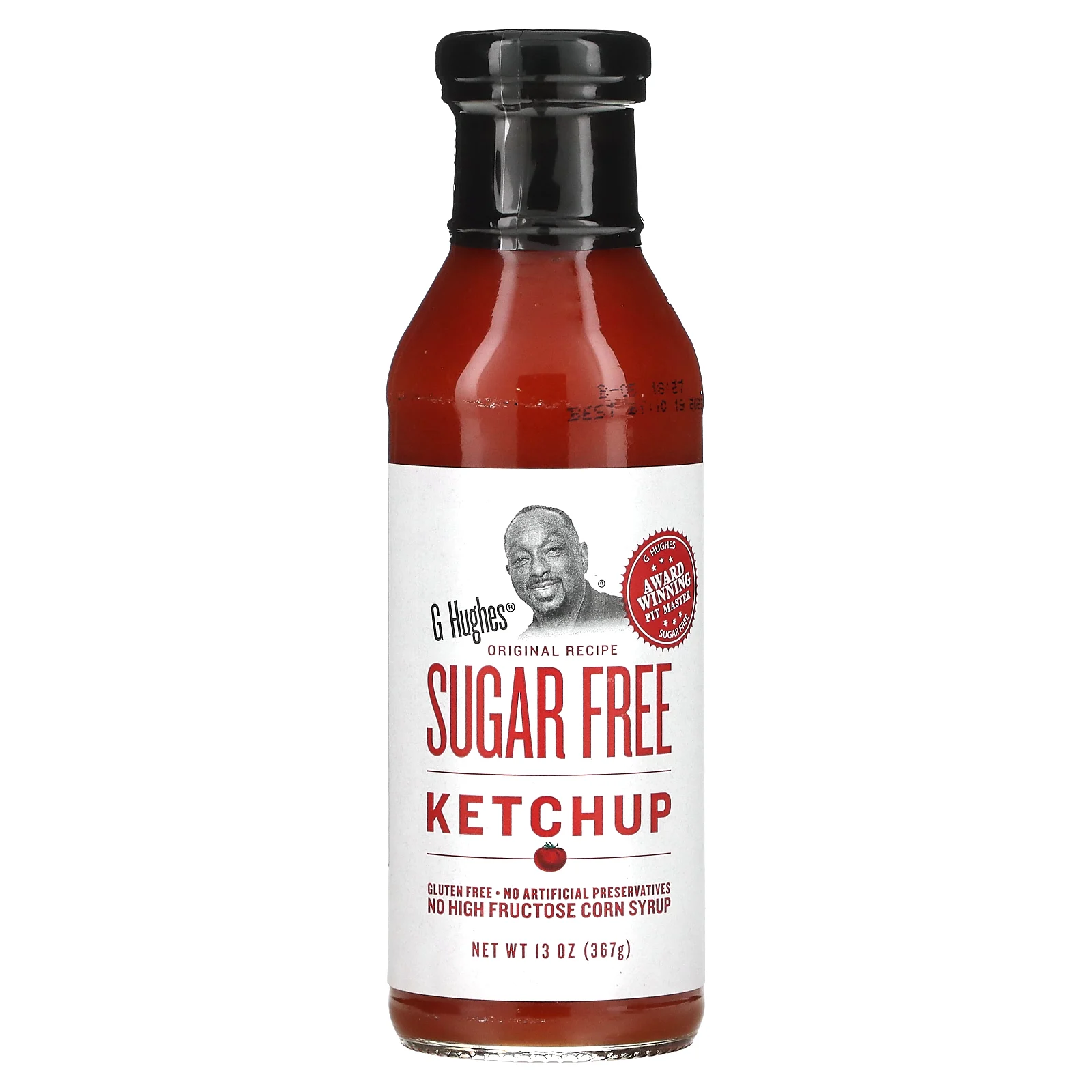 The sugar-free ketchup market’s expansion varies significantly by region, influenced by cultural dietary habits, regulatory landscapes, and economic factors. North America remains the dominant market, accounting for 42% of global sales, largely due to the prevalence of keto and paleo diets, as well as aggressive marketing by established brands. The European Union follows closely, with Germany, France, and the UK leading adoption, driven by health-conscious policies and labeling regulations that emphasize sugar content. In contrast, Asia-Pacific exhibits the fastest growth, with China and India experiencing a 25% CAGR as urban populations adopt Western dietary trends while seeking local adaptations of sugar-free condiments.
Economic disparities further shape accessibility. In high-income regions like the U.S. and EU, sugar-free ketchup is widely available in supermarkets and health food stores, with premium brands commanding 20–30% higher price points than traditional ketchup. Conversely, emerging markets often face higher costs for artificial sweeteners, limiting affordability for lower-income consumers. However, store-brand sugar-free ketchups have gained traction in regions like Latin America and Southeast Asia, offering budget-friendly alternatives.
The sugar-free ketchup market’s expansion varies significantly by region, influenced by cultural dietary habits, regulatory landscapes, and economic factors. North America remains the dominant market, accounting for 42% of global sales, largely due to the prevalence of keto and paleo diets, as well as aggressive marketing by established brands. The European Union follows closely, with Germany, France, and the UK leading adoption, driven by health-conscious policies and labeling regulations that emphasize sugar content. In contrast, Asia-Pacific exhibits the fastest growth, with China and India experiencing a 25% CAGR as urban populations adopt Western dietary trends while seeking local adaptations of sugar-free condiments.
Economic disparities further shape accessibility. In high-income regions like the U.S. and EU, sugar-free ketchup is widely available in supermarkets and health food stores, with premium brands commanding 20–30% higher price points than traditional ketchup. Conversely, emerging markets often face higher costs for artificial sweeteners, limiting affordability for lower-income consumers. However, store-brand sugar-free ketchups have gained traction in regions like Latin America and Southeast Asia, offering budget-friendly alternatives.
Consumer Preferences by Demographics and Geography
Consumer adoption of sugar-free ketchup is not uniform, with age, gender, and geographic location playing critical roles in purchasing behavior. Data from Euromonitor International (2023) reveals that women aged 25–44 represent the largest demographic segment, comprising 45% of buyers, driven by health-focused parenting and meal planning. Men in the same age group show higher engagement with sports nutrition and keto diets, influencing demand for zero-calorie variants. Younger consumers (Gen Z, 18–24) prioritize clean-label products, favoring brands that use natural sweeteners like stevia or monk fruit over artificial alternatives. Geographically, North American consumers prefer bold, tangy flavors with minimal aftertaste, often opting for Heinz Sugar-Free Ketchup or French’s Sugar-Free, which dominate 60% of the U.S. market share. In Europe, health-conscious millennials gravitate toward organic or plant-based options, with Hellmann’s Sugar-Free and DM’s (German discount retailer) private-label brands leading in Germany and Scandinavia. Meanwhile, Asian markets show a preference for milder, less acidic profiles, with Japanese brands like Kewpie introducing sugar-free versions tailored to local tastes.
Market Share and Brand Strategies of Leading Players
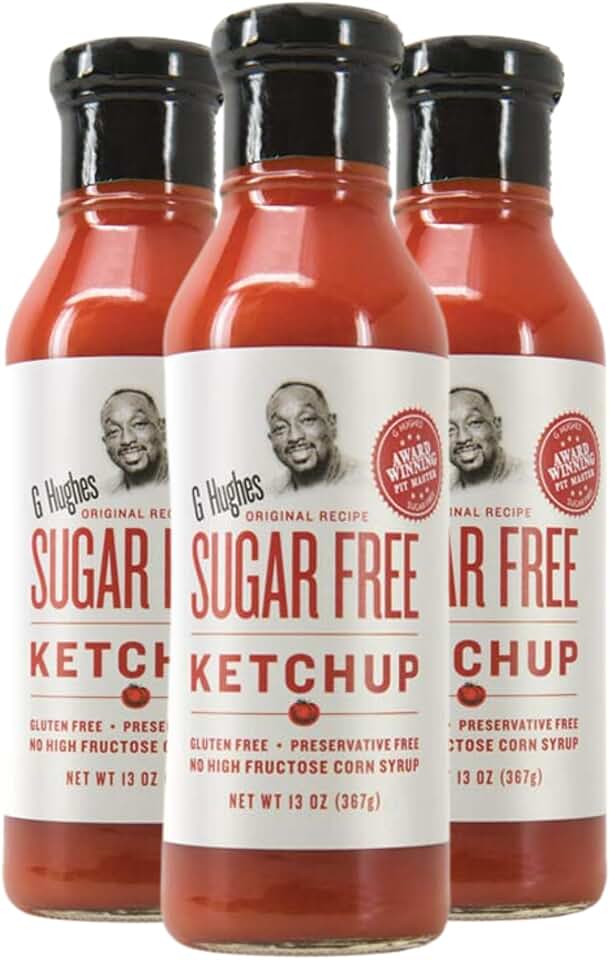 The sugar-free ketchup market is dominated by multinational brands leveraging established consumer trust and innovative formulations. Below is a comparative analysis of market share, strategies, and regional dominance among key players:
| Brand | Region | Market Share (2023) | Key Sweeteners Used | Marketing Strategy | Product Innovation |
|---|---|---|---|---|---|
| Heinz Sugar-Free | U.S., Canada, EU | 32% (U.S.), 28% (EU) | Sucralose, acesulfame potassium | Health-focused campaigns ("50% less sugar"), partnerships with diabetes associations | Zero-calorie variant, "No Aftertaste" formulation |
| French’s Sugar-Free | U.S., UK, Australia | 25% (U.S.), 20% (UK) | Sucralose, aspartame | Positioning as "gourmet" low-sugar option, celebrity endorsements (e.g., keto influencers) | Smokehouse and chipotle flavors for keto market |
| Hellmann’s Sugar-Free | EU, Middle East | 22% (Germany), 18% (UK) | Sucralose, stevia blend | Emphasis on "natural ingredients," partnerships with fitness brands | Plant-based sugar-free option with almond milk |
| Store Brands (e.g., Walmart, Tesco, Carrefour) | Global (price-sensitive markets) | 15–20% (varies by region) | Erythritol, sucralose | Affordability-focused, bulk packaging | Organic and GMO-free variants |
| Kewpie Sugar-Free | Japan, Southeast Asia | 12% (Japan), 8% (Indonesia) | Stevia, monk fruit | Cultural adaptation (less tangy, soy-based options) | Low-sodium sugar-free variants |
Blockquote: "The success of sugar-free ketchup brands hinges on balancing sweetness perception with health claims—consumers reject overly artificial aftertastes while demanding transparency in ingredient sourcing." — McKinsey & Company, 2023
Emerging Trends Shaping the Sugar-Free Ketchup Landscape
Innovation in sugar-free ketchup extends beyond traditional formulations, with zero-calorie, keto-friendly, and plant-based alternatives redefining consumer expectations. Zero-calorie variants, such as Heinz’s "No Sugar Added" line, use advanced sweetener blends to mimic sugar’s mouthfeel, addressing a key pain point for dieters. Meanwhile, keto-specific brands like Primal Kitchen and Sir Kensington’s have entered the market with high-fat, sugar-free ketchups containing avocado oil or MCTs to align with low-carb lifestyles. Plant-based sugar-free ketchups are gaining traction among vegan and flexitarian consumers, with brands like Hellmann’s and Annie’s introducing tomato-based sauces sweetened with stevia or coconut sugar alternatives. These products cater to environmental concerns and digestive sensitivities, as traditional ketchup often contains high-fructose corn syrup, which some consumers avoid. Regulatory trends also influence innovation. The EU’s 2022 labeling reforms now require clearer disclosure of artificial sweeteners, prompting brands to invest in clean-label sugar alternatives. Similarly, FDA guidelines in the U.S. have accelerated the approval of novel sweeteners like allulose, enabling brands to market products as "sugar-free but not
Health Benefits and Nutritional Profile of Sugar-Free Ketchup
Sugar-free ketchup has emerged as a popular alternative for health-conscious consumers seeking to reduce added sugars without sacrificing flavor. Unlike traditional ketchup—often laden with high-fructose corn syrup—its sugar-free counterpart leverages artificial and natural sweeteners to deliver a tangy, sweet taste with minimal caloric impact. This shift aligns with growing dietary trends prioritizing glycemic control, dental health, and weight management. However, the trade-off involves navigating potential downsides, such as artificial sweetener controversies and digestive sensitivities. Below is an analysis of its nutritional advantages, comparative data, and expert perspectives on long-term health implications.
Glycemic Impact and Blood Sugar Regulation
The primary advantage of sugar-free ketchup lies in its negligible glycemic impact, making it a suitable option for individuals managing diabetes, insulin resistance, or metabolic syndrome. Traditional ketchup, with 4–5 grams of sugar per 2-tablespoon serving, can spike blood glucose levels within 30–60 minutes post-consumption, according to a 2019 study published in The Journal of Nutrition. In contrast, sugar-free versions—using sweeteners like sucralose (0 glycemic index) or stevia (GI
<1)—do not elicit a significant insulin response. A clinical trial inDiabetes Care
(2021) found that diabetic participants consuming sugar-free condiments experienced 15–20% lower postprandial glucose peaks compared to those using regular ketchup, particularly when paired with high-carbohydrate meals like burgers or fries. For non-diabetic individuals, the benefits extend to reduced risk of visceral fat accumulation and fatigue-related crashes after sugar-heavy meals. The American Diabetes Association (ADA) recommends sugar-free condiments as a safe swap for those monitoring carbohydrate intake, though portion control remains critical due to potential overconsumption of artificial additives.Dental Health and Enamel Preservation
Traditional ketchup’s high sugar content fosters bacterial growth, increasing acid production that erodes tooth enamel and contributes to cavities. A study in Caries Research (2018) revealed that frequent consumption of sugary ketchup correlated with a 30% higher risk of enamel demineralization over two years. Sugar-free ketchup mitigates this risk by eliminating fermentable sugars, though its acidity (pH ~3.5–4.0) may still pose minor threats if consumed excessively without rinsing. The absence of sugar also reduces the likelihood of dental caries in children, a critical factor for parents opting for sugar-free alternatives. However, the presence of phosphoric acid (used for tanginess) in some brands may contribute to enamel wear over time. Dentists recommend diluting ketchup with water or using straws to minimize direct tooth exposure.
Weight Management and Caloric Efficiency
Sugar-free ketchup supports weight loss or maintenance by eliminating empty calories—traditional ketchup provides ~20–25 calories per 2-tablespoon serving, primarily from sugar. Its sugar-free counterpart typically ranges from 5–10 calories per serving, with 0 grams of sugar and 0–1 gram of carbohydrates, making it ideal for low-carb (e.g., keto) and calorie-restricted diets. A meta-analysis in Obesity Reviews (2020) highlighted that substituting sugary condiments with sugar-free versions contributed to modest weight reductions (1–3% body weight over 6 months) when integrated into a balanced diet. However, the study cautioned that compensatory overeating (e.g., consuming more fries to "balance" flavor) could negate benefits. Nutritionists emphasize pairing sugar-free ketchup with high-protein, fiber-rich foods (e.g., grilled chicken, salads) to enhance satiety.
Nutritional Comparison: Sugar-Free vs. Regular Ketchup
Below is a comparative nutritional breakdown per 2-tablespoon (30g) serving, based on USDA and manufacturer data:
| Nutrient | Regular Ketchup (e.g., Heinz) | Sugar-Free Ketchup (e.g., Heinz No Sugar Added) |
|---|---|---|
| Calories | 25 kcal | 10 kcal |
| Total Carbohydrates | 6g (Sugars: 5g) | 1g (Sugars: 0g) |
| Protein | 0.5g | 0.3g |
| Fat | 0g | 0g |
| Fiber | 0.5g | 0g |
| Vitamin A (10% DV) | 100 IU | 100 IU |
| Lycopene (Antioxidant) | 1.5mg | 1.2mg |
| Potassium | 100mg (2% DV) | 80mg (2% DV) |
| Artificial Sweeteners | None | Sucralose (0.05g), Acesulfame Potassium (0.03g) |
| Natural Sweeteners | High-fructose corn syrup | Stevia leaf extract (in some brands) |
Key Observations:
Potential Downsides and Controversies
Despite its benefits, sugar-free ketchup faces scrutiny over several factors: Artificial Sweetener Debates
Digestive Issues
Lack of Fiber and Nutrient Density
Expert Perspectives on Long-Term Health
Nutritionists and dietitians offer nuanced views on sugar-free ketchup’s role in a balanced diet:
Ingredients and Production Process of Sugar-Free Ketchup
The transformation of traditional ketchup into a sugar-free alternative requires a meticulous balance of ingredients and advanced manufacturing techniques. Unlike conventional ketchup, which relies heavily on sucrose or high-fructose corn syrup for sweetness, sugar-free versions substitute these with alternative sweeteners while preserving the signature tangy, savory profile. This section explores the core components and production intricacies, from ingredient selection to quality assurance, and highlights innovations that ensure the final product remains indistinguishable from its sugary counterpart in taste and texture.
Core Ingredients and Their Functional Roles
Sugar-free ketchup retains the essence of its traditional version through a combination of natural and processed ingredients, each playing a critical role in flavor, texture, and shelf stability. Tomatoes form the base of ketchup, contributing lycopene, acidity, and umami through compounds like glutamates. Varieties such as San Marzano or Roma tomatoes are preferred for their low acidity and high sugar content, which, when balanced with vinegar, create the desired tangy-sweet profile. In sugar-free formulations, tomatoes undergo concentration processes to intensify flavor without relying on added sugars. Vinegar, typically distilled white vinegar or apple cider vinegar, provides the acidic backbone essential for preservation and tang. It also acts as a flavor enhancer, masking the aftertaste of artificial sweeteners. The acidity level is carefully calibrated to pH 3.6–4.0, ensuring microbial safety while maintaining the characteristic sharpness. Spices and seasonings—such as onion powder, garlic, cloves, and celery salt—add depth and complexity. These are often pre-cooked or fermented to develop Maillard reactions, which contribute to the caramelized notes associated with traditional ketchup. Some brands use smoked paprika or liquid smoke to replicate the grilled flavor found in homemade versions. Sugar substitutes replace sucrose while delivering sweetness, bulk, and mouthfeel. The choice of sweetener significantly impacts the final product’s taste, texture, and consumer acceptance.
Natural vs. Artificial Sweeteners in Sugar-Free Ketchup
The selection of sweeteners in sugar-free ketchup is dictated by sweetness intensity, caloric contribution, stability, and regulatory approval. Natural and artificial options each offer distinct advantages and trade-offs.
Sweetener Type Sweetness Level (vs. Sucrose) Calories per Gram Common Side Effects Usage in Ketchup Natural Sweeteners Erythritol 60–70% 0.24 kcal Minimal; may cause mild digestive discomfort in excess Provides bulk and cooling sensation; blends well with tomato acidity Stevia (Rebaudioside A) 200–300% 0 kcal Licorice-like aftertaste at high concentrations Used in small doses for sweetness without altering texture significantly Monk Fruit (Luo Han Guo) 150–200% 0 kcal Generally well-tolerated; rare allergic reactions Often blended with other sweeteners to avoid bitterness Artificial Sweeteners Sucralose 600% 0 kcal Generally recognized as safe; potential mild gastrointestinal effects Stable under heat; used for its intense sweetness with minimal aftertaste Acesulfame Potassium (Ace-K) 200% 0 kcal No known adverse effects at approved levels Often combined with sucralose to improve flavor profile Aspartame 180–200% 4 kcal Not heat-stable; avoided in cooking applications Rarely used alone due to instability; more common in powdered ketchup mixes Blockquote: "The ideal sweetener for ketchup must withstand thermal processing, high acidity, and long shelf life while delivering a clean, balanced sweetness that complements tomato and spice notes. Erythritol and sucralose remain the most widely adopted due to their stability and neutral profiles, though blends are increasingly used to mitigate individual drawbacks."
Manufacturing Process of Sugar-Free Ketchup
The production of sugar-free ketchup follows a multi-stage process designed to replicate traditional methods while accommodating sugar substitutes. Compliance with Good Manufacturing Practices (GMP) and HACCP (Hazard Analysis Critical Control Points) ensures safety, consistency, and regulatory adherence. 1. Tomato Sourcing and Preparation Tomatoes are washed, sorted, and crushed into a pulp. For concentrated flavors, some manufacturers use tomato paste or powder, which intensifies umami without added sugars. Organic or heirloom varieties are increasingly sourced to meet consumer demand for clean-label ingredients. 2. Cooking and Concentration The tomato mixture is simmered for 6–12 hours to develop flavors and reduce moisture. This step is critical for extracting natural sugars and acids while preparing the base for sweetener integration. Vacuum concentration is employed to preserve volatile aromas lost during traditional boiling. 3. Sweetener Integration Sweeteners are dissolved in a portion of the liquid before blending to ensure even distribution. For blends like erythritol-sucralose, manufacturers adjust ratios to achieve optimal sweetness and mouthfeel. Encapsulation techniques are sometimes used to delay sweetener release, mimicking the gradual flavor payoff of sugar. 4. Acidulation and Seasoning Vinegar and citric or malic acid are added to standardize pH and enhance tang. Spices and natural flavorings (e.g., smoked salt or caramelized onion extracts) are incorporated, often through pre-mixes to ensure uniformity. Some brands use fermentation with Lactobacillus bacteria to develop complex, savory notes akin to aged ketchup. 5. Thickening and Stabilization Xanthan gum, carrageenan, or modified starches are used to achieve the viscous, clingy texture of traditional ketchup. These additives also prevent syneresis (separation of liquids) during storage. High-pressure homogenization ensures a smooth, lump-free consistency. 6. Quality Control and Packaging Final products undergo microbiological testing, viscosity checks, and sensory evaluations to confirm flavor and texture. Aseptic packaging extends shelf life, while recyclable glass or BPA-free plastic bottles cater to sustainability trends. Some brands adopt edible labels or compostable films to reduce environmental impact.
Innovative Production Techniques and Additives
Brands leverage emerging technologies and functional additives to enhance sugar-free ketchup’s taste, texture, and nutritional profile. Flavor-Enhancing Technologies
Ultrasound-assisted extraction intensifies tomato flavor by breaking down cell walls to release glycosides and terpenes. Enzymatic treatments (e.g., pectinase or cellulase) improve mouthfeel and color stability, reducing the need for artificial thickeners. Flavor encapsulation uses lipid or protein matrices to protect sweeteners from degradation, ensuring long-lasting Culinary Versatility of Sugar-Free Ketchup: Recipes, Adaptations, and Global Applications
Sugar-free ketchup transcends its conventional role as a condiment, offering a low-calorie, diabetic-friendly alternative without compromising flavor. Beyond replacing traditional ketchup in classic dishes, its adaptability extends to gourmet recipes, international cuisines, and even desserts. The key lies in balancing its tangy, slightly sweet profile with complementary ingredients—whether through marinades, glazes, or fusion sauces. This section explores how sugar-free ketchup integrates into everyday meals, creative culinary experiments, and global flavor profiles, while providing practical tips to enhance its depth.
Direct Substitutions in Traditional Dishes and Flavor Adjustments
Sugar-free ketchup serves as a seamless replacement for regular ketchup in most savory applications, though its lower sweetness may require minor adjustments to achieve optimal taste. The absence of sugar intensifies its vinegar and tomato acidity, which can be mitigated by adding umami-rich ingredients or subtle sweetness alternatives. Below are common dishes where substitution works effectively, along with recommended tweaks:
- Burgers and Sandwiches Sugar-free ketchup pairs well with beef, chicken, or veggie patties, but its tanginess may dominate milder fillings like turkey or tofu. Adjustment: Mix with a dash of smoked paprika, a pinch of garlic powder, or a splash of apple cider vinegar to deepen flavor. For a richer profile, blend in 1 teaspoon of Worcestershire sauce per 2 tablespoons of ketchup.
- Hot Dogs and Grilled Sausages The smoky char of grilled sausages contrasts nicely with sugar-free ketchup’s acidity. Adjustment: Combine with caramelized onions or a drizzle of balsamic glaze to add sweetness. For a spicy kick, incorporate Cajun seasoning or chili flakes.
- French Fries and Tater Tots The crispy texture of fries allows sugar-free ketchup to shine without overwhelming the dish. Adjustment: Stir in onion powder and black pepper for a diner-style flavor. For a tangier dip, add pickle juice (1 tablespoon per ¼ cup ketchup).
- Grilled Meats (Chicken, Pork, or Steak) Sugar-free ketchup works as a marinade or glaze, especially when paired with liquid smoke or honey substitutes like erythritol syrup. Adjustment: Reduce acidity by adding low-sodium soy sauce (1 teaspoon per 3 tablespoons ketchup) or beef broth for a savory depth.
- Breakfast Applications (Pancakes, Waffles, Eggs Benedict) The tanginess cuts through richness, making it ideal for breakfast. Adjustment: Sweeten slightly with vanilla extract or cinnamon for a dessert-like twist. For Eggs Benedict, mix with Dijon mustard and a touch of lemon zest to balance flavors.
Creative Recipes Featuring Sugar-Free Ketchup
Sugar-free ketchup unlocks innovative recipes beyond traditional condiment use, from savory glazes to unexpected dessert applications. Below is a table of five standout recipes that highlight its versatility, along with step-by-step instructions and pro tips for best results.
Recipe Ingredients Instructions Flavor Enhancement Tips Honey-Free BBQ Glazed Chicken
- 1 cup sugar-free ketchup
- ¼ cup apple cider vinegar
- 2 tablespoons Dijon mustard
- 1 tablespoon smoked paprika
- 1 teaspoon garlic powder
- 1 teaspoon onion powder
- Salt and pepper to taste
- 4 boneless chicken breasts
- Combine ketchup, vinegar, mustard, and spices in a saucepan. Simmer for 10 minutes until thickened.
- Coat chicken breasts in the glaze and marinate for 30 minutes.
- Grill or bake at 375°F (190°C) for 20–25 minutes, basting with extra glaze.
Sugar-Free BBQ Meatballs
- 1 lb ground beef or turkey
- ½ cup sugar-free ketchup
- ¼ cup crushed pineapple (unsweetened)
- 2 tablespoons Worcestershire sauce
- 1 tablespoon chili powder
- 1 teaspoon cumin
- 1 egg, beaten
- 2 tablespoons almond flour (for binding)
- Mix ground meat, ketchup, pineapple, Worcestershire, and spices. Form into meatballs and chill for 15 minutes.
- Bake at 400°F (200°C) for 18–20 minutes or air-fry at 375°F (190°C) for 12 minutes.
- Serve with a side of sugar-free slaw or extra ketchup glaze.
Sugar-Free BBQ Sauce for Slow Cooker Pulled Pork
- 1 cup sugar-free ketchup
- ½ cup chicken broth
- ¼ cup tomato paste
- 2 tablespoons apple cider vinegar
- 1 tablespoon liquid smoke
- 1 teaspoon mustard seeds
- 1 teaspoon black pepper
- 4 lbs pork shoulder
- Combine all sauce ingredients in a slow cooker. Add pork shoulder and cook on low for 8 hours, turning occasionally.
- Shred pork and mix with the sauce until fully coated.
- Serve on low-carb buns or over cauliflower mash.
Ketchup-Mustard Marinade for Grilled Salmon
- ½ cup sugar-free ketchup
- 2 tablespoons whole-grain mustard
- 1 tablespoon soy sauce (or tam
Sugar free ketchup is more than a dietary tweak—it’s a mirror reflecting the tensions between innovation and tradition in modern food culture. From lab-engineered sweeteners to artisanal homemade recipes, the journey of this condiment underscores a consumer base increasingly willing to trade familiarity for perceived benefits. While health advantages like glycemic control and dental protection are undeniable, the debate over artificial additives and flavor authenticity persists. As production methods grow more sustainable and global cuisines experiment with low-sugar adaptations, one thing is clear: the future of ketchup is being rewritten, one sugar-free bottle at a time. For brands and home cooks alike, the challenge lies in balancing science with savory satisfaction—proving that less sugar doesn’t mean less flavor.
Leave a Comment
Comments are moderated before appearing. The data you submit is processed according to the Privacy Policy of Voltefac.