What Is Biomass Energy Fundamentals Applications And Impact

Published

Table of Contents

Biomass energy represents a pivotal renewable resource derived from organic materials, offering a sustainable alternative to fossil fuels in global energy systems. Unlike finite energy sources, biomass harnesses the chemical energy stored in plant matter, agricultural residues, and organic waste through natural processes like photosynthesis and cellular respiration. This energy form bridges traditional and modern applications, from industrial cogeneration to decentralized rural electrification, while addressing critical challenges in emissions reduction and economic viability. Its versatility—spanning combustion, biochemical conversion, and advanced thermochemical processes—positions biomass as a cornerstone of circular economy models and low-carbon transitions.

The distinction between biomass and other renewables lies in its scalability, storage feasibility, and adaptability to diverse feedstocks, ranging from dedicated energy crops to municipal waste. While solar and wind energy face intermittency constraints, biomass provides a stable, dispatchable energy source capable of integration into existing infrastructure. However, its full potential hinges on overcoming sustainability hurdles, such as land-use competition and lifecycle emissions, which demand innovative supply chain management and policy frameworks. This exploration examines the scientific principles underpinning biomass conversion, its technological advancements, and its transformative role in reshaping energy landscapes across industries and communities.
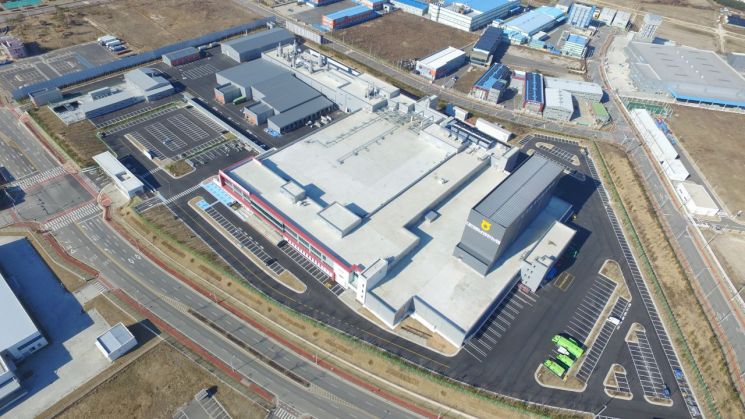
what is the biomass energy

Definition and Core Concepts of Biomass Energy

Biomass energy represents a sustainable and carbon-neutral energy source derived from organic materials, leveraging biological processes to convert stored solar energy into usable thermal, electrical, or chemical energy. Unlike fossil fuels, which rely on millions of years of geological transformation, biomass harnesses contemporary biological growth cycles, ensuring a renewable and theoretically inexhaustible supply. Its primary sources—such as lignocellulosic biomass (e.g., wood, agricultural residues), energy crops (e.g., switchgrass, miscanthus), and organic waste (e.g., municipal solid waste, manure)—contain complex carbohydrates, lipids, and proteins that undergo biochemical or thermochemical conversion. These materials exhibit varying energy densities, typically ranging from 15–20 MJ/kg for dry biomass to 30–40 MJ/kg for concentrated forms like ethanol or biodiesel, significantly lower than fossil fuels but sufficient for decentralized applications.

The fundamental distinction between biomass and other energy sources lies in its biogenic origin, where photosynthesis captures solar radiation to produce organic compounds, followed by energy extraction through controlled combustion, fermentation, or pyrolysis. This biological foundation contrasts with fossil fuels, which are geologically formed from ancient biomass under high pressure and temperature, and with non-biogenic renewables like solar or wind, which rely on direct atmospheric or radiative processes. Below, a comparative analysis highlights these differences in structural and operational terms.

Sources and Chemical Composition of Biomass

Biomass energy originates from organic matter with distinct chemical compositions that influence its energy conversion efficiency. The primary categories include:
  • Lignocellulosic Biomass: Composed of cellulose (35–50%), hemicellulose (20–35%), and lignin (10–25%), providing structural rigidity in plants. Examples include wood chips, straw, and bagasse.
  • Starchy and Sugary Biomass: Rich in polysaccharides (e.g., corn starch, sugarcane), ideal for fermentation into bioethanol.
  • Oily Biomass: Contains triglycerides (e.g., soybean oil, algae), transesterified into biodiesel.
  • Waste Biomass: Includes food waste, sewage sludge, and animal manure, often requiring preprocessing to remove contaminants.
  • The energy content of biomass varies by composition:

  • Cellulose/Hemicellulose: Highly oxygenated, with lower energy density (~17–20 MJ/kg) but abundant in agricultural residues.
  • Lignin: Aromatic polymer with higher energy density (~25 MJ/kg) but resistant to biological degradation.
  • Lipids: Energy-dense (~37–40 MJ/kg), comparable to diesel but limited by extraction yields.
  • Photosynthesis Efficiency: The theoretical maximum solar-to-biomass conversion efficiency is 6–8%, constrained by thermodynamic laws (Carnot efficiency) and biochemical limitations (e.g., RuBisCO enzyme kinetics in C3/C4 plants).

    Biomass Energy vs. Fossil Fuels and Renewables: Comparative Analysis

    The following table contrasts biomass energy with fossil fuels, other renewables, and alternative energy sources across critical parameters:
    Energy Type Source Emissions Profile Energy Conversion Process
    Biomass Plant matter, organic waste, agricultural residues
    • Carbon-neutral if sourced sustainably (CO₂ released ≈ CO₂ absorbed during growth).
    • Emits particulate matter (PM2.5, PM10) and trace pollutants (e.g., NOx, SO2) during combustion.
    • Non-methane volatile organic compounds (NMVOCs) from incomplete combustion.
    • Combustion (direct heat, CHP).
    • Biochemical (anaerobic digestion, fermentation).
    • Thermochemical (pyrolysis, gasification, liquefaction).
    Fossil Fuels Coal, petroleum, natural gas (ancient biomass/algae)
    • High CO₂ emissions (3.67 kg CO₂/MJ for coal, 2.31 kg CO₂/MJ for natural gas).
    • Sulfur oxides (SOx) and mercury from coal.
    • Methane leaks during extraction (2–10% of total output).
    • Combustion (power plants, vehicles).
    • Refining (petrochemicals).
    Solar PV Photovoltaic cells (silicon, perovskite)
    • Near-zero operational emissions.
    • Embodied emissions from manufacturing (~40–80 g CO₂/kWh over 25-year lifespan).
    Photonic excitation of electrons (direct current generation).
    Wind Kinetic energy from wind turbines
    • Minimal operational emissions.
    • Manufacturing emissions (~10–12 g CO₂/kWh).
    • Noise and habitat fragmentation (indirect ecological impact).
    Mechanical rotation of blades → generator.
    Hydrogen (Green) Electrolysis of water using renewable electricity
    • Zero tailpipe emissions when burned.
    • Embodied emissions from electrolysis (~1–10 kg CO₂/kg H₂, dependent on grid mix).
    Electrochemical splitting of H₂O → H₂ + O₂.

    Biological and Thermodynamic Principles of Biomass Conversion

    The conversion of biomass into energy relies on biochemical pathways and thermodynamic laws governing energy transfer. Key principles include:

    1. Photosynthesis as the Primary Energy Capture Mechanism:
    Biomass accumulates energy through photosynthesis, where 6CO₂ + 6H₂O + light → C₆H₁₂O₆ (glucose) + 6O₂, with an efficiency of 0.1–2.5% of incident solar radiation. The glucose is then polymerized into cellulose, hemicellulose, and lignin, storing energy in C–C and C–H bonds (bond dissociation energies: ~350–450 kJ/mol).

    2. Cellular Respiration and Anaerobic Digestion:

  • Aerobic Respiration: C₆H₁₂O₆ + 6O₂ → 6CO₂ + 6H₂O + 2,880 kJ/mol (theoretical maximum).
  • Anaerobic Digestion: Produces biogas (CH₄ + CO₂) via methanogenesis, with CH₄ energy content of ~55 MJ/kg, comparable to natural gas.
  • 3. Thermochemical Conversion Processes:

  • Combustion: Exothermic oxidation (ΔH° ≈ –15–20 MJ/kg) requiring >600°C for complete oxidation.
  • Pyrolysis: Thermal decomposition at 400–600°C in oxygen-limited conditions, yielding bio-oil (50–70%), syngas (20–30%), and char (10–20%).
  • Gasification: Partial oxidation at 700–1,200°C to produce syngas (CO + H₂), used in Fischer-Tropsch synthesis for liquid fuels.
  • First Law of Thermodynamics (Energy Conservation):
    The energy output from biomass conversion cannot exceed the input energy stored during photosynthesis, minus losses from inefficiencies (e.g., heat dissipation, incomplete reactions).

    Comparison of Biomass Energy with Other Renewables: Scalability, Intermittency, and Storage

    Biomass energy exhibits unique advantages and limitations when

    what is the biomass energy - Ilustrasi 2

    Biomass Conversion Technologies and Processes

    Biomass conversion technologies transform organic materials into energy carriers or fuels through physical, chemical, or biological methods. These processes vary in efficiency, scalability, and environmental impact, depending on feedstock type, conversion pathway, and end-product requirements. Thermochemical methods rely on high-temperature reactions to break down biomass, while biochemical routes leverage microbial or enzymatic activity. Emerging technologies further expand the potential for sustainable energy production, though challenges such as cost and technical feasibility remain critical considerations.

    The selection of conversion technology depends on factors including feedstock availability, desired output (e.g., electricity, liquid fuels, or chemicals), and system integration with existing energy infrastructure. Below, the step-by-step procedures for thermochemical and biochemical conversion are detailed, followed by a comparative analysis of key methods and an overview of innovative approaches.

    Thermochemical Conversion of Biomass

    Thermochemical conversion involves the application of heat and chemical reactions to decompose biomass into gaseous, liquid, or solid products. The process is categorized into combustion, pyrolysis, and gasification, each operating within distinct temperature ranges and yielding unique outputs. These methods are particularly suited for lignocellulosic biomass (e.g., agricultural residues, wood waste) and offer high-energy conversion efficiencies under controlled conditions.

    Key Temperature Ranges and Reactions:

  • Combustion (400–1,000°C): Complete oxidation of biomass in the presence of oxygen, producing heat, carbon dioxide (CO₂), and water (H₂O). The reaction is exothermic and primarily used for direct heat or electricity generation.
  • C₆H₁₀O₅ (biomass) + 6O₂ → 6CO₂ + 5H₂O + Heat (ΔH ≈ –20 MJ/kg) Byproducts include ash, which may require post-treatment for nutrient recovery or disposal.

    - Pyrolysis (300–600°C, low oxygen): Thermal decomposition in the absence of oxygen, yielding bio-oil (liquid), biochar (solid), and syngas (gaseous). Fast pyrolysis (high heating rates, ~500°C) maximizes bio-oil production (~70% yield), while slow pyrolysis (charcoal production) operates at lower temperatures (~400°C).

    Biomass → Bio-oil (50–75% yield) + Biochar (15–30%) + Syngas (5–15%)
    Bio-oil requires upgrading (e.g., hydrodeoxygenation) to improve stability and energy density for transportation fuels.

    - Gasification (700–1,200°C, controlled oxygen/steam): Partial oxidation to produce syngas (CO + H₂), a versatile feedstock for synthetic fuels (Fischer-Tropsch) or power generation. Air-blown gasifiers yield lower heating value (LHV) syngas (~4–6 MJ/Nm³), while oxygen-blown systems produce higher LHV syngas (~10–15 MJ/Nm³).

    C₆H₁₀O₅ + 3H₂O → 6CO + 11H₂ (endothermic, ΔH ≈ +1.5 MJ/kg)
    Tar removal and syngas cleaning are critical for downstream applications.

    Step-by-Step Procedure for Pyrolysis (Example):
    1. Feedstock Preparation: Biomass is dried (<10% moisture) and sized (1–5 mm particles) to ensure uniform heating and minimize char formation.
    2. Reactor Loading: Feedstock is fed into a reactor (e.g., fluidized bed, auger, or ablative pyrolysis system) under inert conditions (N₂ or CO₂).
    3. Heating Phase: Rapid heating (100–1,000°C/s) to 500°C decomposes biomass into vapors, which are quenched in a condenser to produce bio-oil.
    4. Condensation and Separation: Vapors are cooled to <400°C, separating bio-oil (aqueous and organic phases) from non-condensable syngas. Biochar is collected from the reactor.
    5. Product Upgrading: Bio-oil undergoes catalytic cracking or hydrotreating to reduce oxygen content and improve combustion properties.

    Biochemical Conversion of Biomass

    Biochemical conversion leverages microbial or enzymatic activity to convert organic substrates into biofuels or biochemicals under ambient or moderately elevated temperatures. Processes such as anaerobic digestion, fermentation, and transesterification are feedstock-specific, with outputs including biogas (CH₄), ethanol (C₂H₅OH), and biodiesel (fatty acid methyl esters). These methods are particularly advantageous for wet biomass (e.g., manure, food waste, algae) and align with circular economy principles through waste valorization.

    Anaerobic Digestion:

  • Input Materials: Organic waste (e.g., municipal solid waste, livestock manure, sewage sludge) with high moisture content (80–95%).
  • Process Stages:
  • 1. Hydrolysis: Microorganisms break down complex polymers (cellulose, proteins) into sugars and amino acids.
    2. Acidogenesis: Fermentative bacteria convert sugars into volatile fatty acids (VFAs) and alcohols.
    3. Acetogenesis: Obligate anaerobes oxidize VFAs to acetate, hydrogen, and CO₂.
    4. Methanogenesis: Archaea produce biogas (50–70% CH₄, 30–50% CO₂) under anaerobic conditions (35–55°C, pH 6.8–7.4).
  • Output: Biogas (used for electricity, heat, or vehicle fuel) and digestate (nutrient-rich fertilizer).
  • C₆H₁₂O₆ → 3CH₄ + 3CO₂ (ΔG° ≈ –300 kJ/mol glucose) Fermentation (Ethanol Production):
  • Input Materials: Starch-rich (e.g., corn, sugarcane) or lignocellulosic biomass (e.g., switchgrass, agricultural residues) pretreated to release sugars.
  • Process Stages:
  • 1. Pretreatment: Enzymatic or acid hydrolysis breaks down cellulose/hemicellulose into fermentable sugars (glucose, xylose).
    2. Fermentation: Yeast (Saccharomyces cerevisiae) or bacteria convert sugars to ethanol and CO₂ (anaerobic, 30–37°C).
    3. Distillation: Ethanol is separated from the fermented broth (beer) via distillation, yielding bioethanol (95% purity).
  • Output: Ethanol blended with gasoline (E10–E85) or used as a standalone fuel.
  • C₆H₁₂O₆ → 2C₂H₅OH + 2CO₂ (theoretical yield: 51% ethanol by weight) Transesterification (Biodiesel Production):
  • Input Materials: Triglyceride-rich oils (e.g., soybean, palm, algae) or waste cooking oil.
  • Process Stages:
  • 1. Alkaline Catalysis: Triglycerides react with methanol (or ethanol) in the presence of NaOH/KOH, yielding biodiesel (fatty acid methyl esters) and glycerol.
    2. Washing and Drying: Excess methanol and catalysts are removed via water washing, followed by drying to <0.05% water content.
  • Output: Biodiesel (meets ASTM D6751 standards) for diesel engines, with glycerol as a byproduct for cosmetics or further processing.
  • Triglyceride + 3CH₃OH → 3Biodiesel + Glycerol (catalytic, 60–70°C)

    Comparison of Biomass Conversion Methods

    The following table summarizes four primary biomass conversion technologies across key performance criteria, including efficiency, byproducts, applications, and environmental impact. Data reflects typical values for commercial-scale systems.
    Conversion Method Efficiency (%) Primary Byproducts Key Applications Environmental Impact
    Combustion 20–40 (electricity), 60–90 (heat) Ash (nutrient recovery potential), CO₂, NOₓ, SO

    Applications of Biomass Energy in Industry and Daily Life

    Biomass energy plays a pivotal role in diversifying energy portfolios by leveraging organic materials—such as agricultural residues, forestry byproducts, and municipal waste—to generate heat, electricity, and biofuels. Its applications span industrial processes, urban infrastructure, and rural electrification, offering scalable solutions that align with sustainability goals. Below, key sectors and real-world implementations are examined, highlighting efficiency gains, economic viability, and environmental benefits.

    Industrial Applications of Biomass Energy

    Biomass integration in industrial settings enhances energy security, reduces fossil fuel dependence, and lowers operational costs. The following sectors demonstrate its versatility:
    Biofuel Production for Transportation
  • Biodiesel and Bioethanol: Derived from vegetable oils (e.g., soybean, palm), algae, or lignocellulosic biomass (e.g., corn stover, sugarcane bagasse), these fuels replace petroleum-based diesel and gasoline in vehicles. The European Union mandates a 10% renewable energy share in transport by 2020, with biodiesel contributing significantly.
  • Aviation Biofuels: Sustainable aviation fuel (SAF) produced from biomass (e.g., jatropha, forestry residues) reduces lifecycle CO₂ emissions by up to 80% compared to conventional jet fuel. Lufthansa and Finnair have tested biofuel-blended flights, with regulatory approvals expanding globally.
  • Marine Biofuels: The International Maritime Organization (IMO) targets a 40% reduction in shipping emissions by 2050. Biomass-derived biofuels (e.g., hydrotreated vegetable oil, HTVO) are being adopted by shipping lines like Maersk and CMA CGM for compliance.
  • Cogeneration in Manufacturing
  • Combined Heat and Power (CHP): Biomass-fired CHP plants supply both electricity and thermal energy (steam/heat) to industries such as pulp and paper, food processing, and textiles. For example, the Valmet BioCHP plant in Finland uses wood pellets to generate 30 MW of electricity and 50 MW of district heating, achieving 90% energy efficiency.
  • Steam for Industrial Processes: Food manufacturers (e.g., dairy, baking) rely on biomass boilers for sterilization, drying, and pasteurization. The Nestlé factory in Switzerland replaced natural gas with wood chips, reducing CO₂ emissions by 30% while maintaining production output.
  • Chemical and Refining Sectors: Biomass gasification produces syngas for hydrogen production or synthetic fuels. Shell’s Pearl project in Qatar integrates biomass-derived syngas into its refinery operations, enabling low-carbon hydrogen for petrochemical synthesis.
  • Heat and Steam for Food Processing
  • Drying and Preservation: Agricultural produce (e.g., grains, fruits) benefits from biomass-powered dryers, reducing spoilage and energy costs. In India, the National Biomass Cookstove Initiative has deployed 1 million biomass cookstoves, cutting fuelwood consumption by 30% in rural areas.
  • Canning and Breweries: Thermal energy from biomass boilers replaces fossil fuels in sterilization and pasteurization. Heineken’s UK brewery uses wood pellets to generate 80% of its heat demand, achieving a 50% reduction in carbon footprint.
  • Oilseed Processing: Plants like ADM’s biodiesel facility in Illinois (USA) co-fire soybean residues with natural gas, optimizing energy use while meeting Renewable Fuel Standard (RFS2) compliance.
  • Residential and Urban Biomass Energy Systems

    Biomass energy addresses household energy needs and municipal waste management, offering decentralized solutions with minimal infrastructure requirements. Case studies illustrate its scalability and community impact:
    Residential Heating Systems
  • Wood Pellet Stoves: Modern pellet stoves achieve efficiencies above 90%, with automated feeding systems and smart controls. In Sweden, 1.5 million households use pellet stoves, supplying 15% of residential heating. The Swedish Bioenergy Association reports a 70% reduction in particulate emissions compared to traditional wood stoves.
  • Biogas for Cooking: Anaerobic digestion of agricultural waste (e.g., manure, crop residues) produces biogas for cooking. China’s rural biogas program has installed 50 million household digesters, offsetting 50 million tons of CO₂ annually and improving indoor air quality.
  • District Heating Networks: Biomass-fired district heating systems serve urban areas by supplying heat via insulated pipelines. Copenhagen’s CHP4City project integrates straw and wood chips to heat 50,000 homes, reducing fossil fuel use by 40%.
  • Urban Waste-to-Energy Plants
  • Municipal Solid Waste (MSW) Incineration: Plants like Tokyo’s Shinjuku Waste-to-Energy Facility convert 2,000 tons/day of waste into electricity and district heating, recovering 30% of the energy content while diverting waste from landfills.
  • Anaerobic Digestion Facilities: London’s Croydon Waste Water Treatment Works processes 100,000 tons/year of sewage sludge into biogas, generating enough electricity to power 10,000 homes. The facility achieves a 60% reduction in greenhouse gas emissions compared to landfilling.
  • Plasma Gasification: Emerging technologies like Westinghouse Plasma’s waste-to-energy systems decompose non-recyclable waste at 3,000°C, producing syngas for power generation. Pilot projects in Japan and the Netherlands demonstrate 95% waste volume reduction and zero ash residue.
  • Niche and Emerging Applications

    Innovative biomass applications address specialized energy demands, often outperforming conventional methods in cost or sustainability. Key examples include:
    Biomass-Powered Microgrids
  • Island and Remote Communities: Microgrids combine biomass gasifiers with battery storage to provide reliable power. Togo’s Lomé microgrid uses agricultural residues to power 5,000 households, reducing diesel imports by 80% and cutting costs by 30%.
  • Military and Humanitarian Sites: The U.S. Army’s Biofuels Research Program tests algae-based biofuels for forward operating bases, reducing logistics challenges in conflict zones. Similarly, UNHCR’s refugee camps in Kenya use biomass cookstoves to mitigate deforestation and health risks.
  • Mining Operations: BHP’s Escondida copper mine in Chile uses biomass boilers to replace diesel for heating and electricity, achieving a 20% reduction in fuel costs and emissions.
  • Bio-Based Chemicals and Materials
  • Bio-Plastics: Polylactic acid (PLA) from corn starch or sugarcane replaces petroleum-based plastics. NatureWorks’ Ingeo PLA is used in packaging and textiles, with a 68% lower carbon footprint than conventional plastics.
  • Bio-Lubricants: Derived from vegetable oils (e.g., canola, soybean), these lubricants are biodegradable and used in automotive and industrial applications. Total’s BioLubricants reduce hazardous waste by 90% compared to mineral oil-based products.
  • Bio-Adhesives and Resins: Biomass-derived adhesives (e.g., from tannin-rich bark) replace formaldehyde-based glues in plywood manufacturing. Sweden’s KTH Royal Institute has developed lignin-based adhesives that reduce VOC emissions by 75%.
  • Biomass in Decentralized Energy Systems

    Decentralized biomass systems empower off-grid communities, particularly in developing regions, by providing affordable and sustainable energy access. Key implementations include:
    Rural Electrification in Developing Regions
  • Biomass Gasifiers for Villages: In India’s Bihar state, the Biomass Gasifier Program has electrified 500 villages using agricultural residues, supplying 5–20 kW of power for lighting and small industries. The World Bank reports a 40% reduction in kerosene use and improved educational outcomes due to extended study hours.
  • Solar-Biomass Hybrid Systems: Combining biomass with solar PV enhances energy reliability. Bangladesh’s Infrastructure Development Company Limited (IDCOL) has deployed 10,000 biomass-solar hybrids in rural areas, reducing diesel dependence by 60%.
  • Community-Owned Biogas Plants: Nepal’s Community Manure Management Program operates 1,000 biogas plants, providing cooking fuel and fertilizers while improving sanitation. The program reduces indoor air pollution by 80% and increases household incomes by 20%.
  • Feasibility in Low-Income Settings
  • Cost-Effectiveness: Biomass systems often require lower upfront
  • what is the biomass energy - Ilustrasi 3

    Environmental and Economic Considerations in Biomass Energy

    Biomass energy occupies a unique position in the transition toward sustainable energy systems due to its potential for carbon neutrality, but its environmental and economic impacts require rigorous evaluation. Unlike fossil fuels, biomass can theoretically achieve net-zero emissions when managed responsibly, yet lifecycle assessments reveal complexities tied to land-use changes, deforestation risks, and competing agricultural demands. Economically, biomass projects face distinct challenges compared to intermittent renewables like solar and wind, with higher initial costs and operational dependencies on feedstock availability. This section examines the carbon neutrality debate, contrasts biomass economics with solar/wind, and identifies sustainability challenges alongside mitigation strategies to ensure long-term viability.

    Carbon Neutrality Debate and Lifecycle Emissions

    The assertion that biomass is carbon-neutral relies on the principle that modern biomass absorbs CO₂ during growth, offsetting emissions from combustion or conversion. However, lifecycle assessments (LCAs) reveal critical nuances that undermine this assumption. Studies indicate that biomass power plants emit 10–30% more CO₂ per unit of energy than natural gas plants when accounting for indirect land-use changes (ILUC), deforestation, and inefficient feedstock production (IPCC, 2019). For instance, converting forests or peatlands to biomass plantations releases stored carbon, while monoculture crops (e.g., corn for ethanol) may degrade soil organic carbon over time, reducing long-term sequestration capacity.

    Key emission sources in biomass lifecycle:

  • Feedstock production: Emissions from fertilizers, irrigation, and machinery (e.g., 1–5% of total lifecycle emissions for corn ethanol).
  • Transport and processing: Up to 10% of emissions for woody biomass due to heavy logistics (e.g., transporting pellets from Canada to Europe).
  • Land-use changes: Deforestation for palm oil or soy-based biodiesel can emit 10–100 times more CO₂ per hectare than fossil fuels over 20 years (Searchinger et al., 2018).
  • Combustion efficiency: Modern biomass plants achieve 30–45% efficiency, compared to 50–60% for natural gas combined-cycle plants, increasing per-unit emissions.
  • Lifecycle Emissions Comparison (g CO₂eq/MJ):
  • Natural gas (combustion): ~50
  • Biomass (direct combustion, no ILUC): ~80–120
  • Biomass (with ILUC): ~150–300
  • Coal (average): ~90–110
  • Contrast with fossil fuels: While biomass avoids fossil CO₂ emissions during combustion, its lifecycle emissions often exceed those of natural gas and approach or surpass coal in scenarios with high ILUC. The European Union’s Renewable Energy Directive (RED II) now excludes certain biomass sources (e.g., whole logs, peat) to address these concerns, emphasizing sustainability criteria over blanket carbon-neutral claims.

    Economic Viability: Biomass vs. Solar and Wind

    Biomass energy projects exhibit distinct economic profiles compared to solar photovoltaic (PV) and wind energy, influenced by feedstock costs, infrastructure requirements, and policy support. Below is a comparative analysis based on 2023–2024 global averages for utility-scale projects (IEA, 2023; Lazard Levelized Cost of Energy, 2023).
    Metric Biomass (Dedicated Power Plant) Solar PV (Utility-Scale) Onshore Wind
    Initial Investment ($/kW) $3,500–$6,000 (higher for gasification/co-firing) $800–$1,200 (perennial decline) $1,300–$2,000
    Operational Costs ($/MWh) $30–$60 (feedstock dominates; $15–$30 for waste biomass) $10–$25 (minimal O&M) $15–$30 (moderate O&M)
    Government Incentives
    • Renewable Portfolio Standards (RPS) credits (e.g., $50–$100/MWh in EU/US).
    • Tax credits for sustainable biomass (e.g., U.S. 45Z for biogas).
    • Subsidies for rural development (e.g., EU’s Rural Development Programme).
    • Investment tax credits (ITC) up to 30% (U.S. Inflation Reduction Act).
    • Feed-in tariffs (e.g., €0.10–0.15/kWh in Germany).
    • Production tax credits (PTC) up to $0.03/kWh (U.S.).
    • Auction-based contracts (e.g., UK’s Contracts for Difference).
    Return on Investment (ROI) Timeline 10–15 years (longer for dedicated crops; shorter for waste-to-energy) 5–8 years (rapid payback due to low capex) 7–10 years (moderate payback)
    Key economic insights:
  • Feedstock costs are the primary driver of biomass economics, accounting for 60–80% of operational expenses. Dedicated energy crops (e.g., switchgrass, miscanthus) require $50–$100/tonne to produce, while waste biomass (e.g., agricultural residues) can reduce costs to $10–$30/tonne.
  • Solar and wind benefit from declining capital costs (solar PV dropped 89% since 2010) and minimal fuel costs, leading to shorter ROI timelines.
  • Biomass projects often rely on long-term power purchase agreements (PPAs) or carbon credits to achieve viability, particularly in regions without strong RPS policies.
  • Case study: The Drax Power Station (UK), the world’s largest biomass plant, achieved €1.2 billion in EU carbon subsidies (2013–2020) but faced criticism for high emissions from wood pellet imports linked to U.S. forest management practices.
  • Sustainability Challenges and Mitigation Strategies

    Despite its potential, biomass energy confronts three critical sustainability challenges that threaten its long-term viability: food-energy competition, land degradation, and feedstock traceability. Addressing these requires systemic solutions aligned with circular economy principles and strict certification standards.

    Primary sustainability challenges:
    Biomass production competes with food crops for arable land, exacerbating soil degradation and biodiversity loss. For example:

  • Corn ethanol in the U.S. consumes 40% of the national corn harvest, driving up food prices by 10–30% during shortages (USDA, 2022).
  • Palm oil biodiesel in Southeast Asia has led to 30% deforestation in Indonesia’s peatlands since 2000, releasing 1.5–2.5 Gt CO₂ (Margono et al., 2014).
  • Monoculture plantations (e.g., eucalyptus for pulp) deplete soil nutrients and reduce water tables, as seen in Brazil’s Cerrado region, where biomass plantations have lowered groundwater levels by 30% in some areas (FAO, 2021).
  • Strategies for mitigation:
    To ensure biomass energy contributes to sustainable development, the following approaches are critical:

    1. Integrated Biomass Supply Chains:
      Optimizing logistics and feedstock sourcing to minimize transport emissions and land-use conflicts. Examples include:
    2. Agroforestry systems (e.g., combining timber and food crops in

      Biomass energy emerges as a dynamic solution to the dual imperatives of decarbonization and energy access, blending scientific rigor with practical applications. From powering industrial facilities to fueling off-grid communities, its adaptability underscores a shift toward resource-efficient, low-emission systems. Yet, realizing its benefits requires balancing technological innovation with environmental stewardship—ensuring sustainable feedstock sourcing, optimizing conversion efficiencies, and aligning economic incentives with long-term ecological goals. As global energy transitions accelerate, biomass stands at the nexus of tradition and progress, offering a pathway to harmonize energy security, economic growth, and planetary sustainability.

    3. FAQ

      what is the biomass energy source?

      Q: What are the main sources of biomass energy?

      what is biomass energy used for?

      Q: What is biomass energy used for?

      what is biomass energy mention two sources?

      Q: What is biomass energy? Mention two sources.

      what is biomass energy and how does it work?

      Q: What is biomass energy, and how does it work?

      what is biomass energy in simple words?

      Q: What is biomass energy in simple words?

      what is biomass energy for kids?

      Q: What is biomass energy for kids?

      Leave a Comment

      Comments are moderated before appearing. The data you submit is processed according to the Privacy Policy of Voltefac.