What are the red flags during an audit and how to spot them early
Table of Contents
- Understanding the Purpose of an Audit and Why Red Flags Matter
- Core Objectives of Audits and the Role of Red Flags as Early Warning Systems
- Consequences of Ignoring Red Flags in Audits
- Proactive vs. Reactive Approaches to Identifying Red Flags
- Timeline of Red Flag Emergence During an Audit and Their Respective Impacts
- Common Red Flags in Financial Audits
- Financial Statement Red Flags and Revenue Recognition Inconsistencies
- Suspicious Financial Transactions and Their Implications
- Internal Control Weaknesses as Red Flags
- Methods for Detecting Red Flags in Accounting Records
- Quantitative vs. Qualitative Red Flags: A Comparative Analysis
- Operational and Compliance Red Flags in Audits: Identifying Risks and Ensuring Accountability
- Operational Red Flags in Process Audits: Inefficiencies and Process Deviations
- Compliance Red Flags Across Industries: Regulatory Violations and Licensing Risks
- Environmental, Social, and Governance (ESG) Red Flags: Ethical and Sustainability Risks
- Internal vs Behavioral and Cultural Red Flags in Audits: Decoding Human and Organizational Warning Signs Audits extend beyond numerical discrepancies and procedural gaps—they often reveal deeper issues embedded in human behavior and organizational culture. Behavioral red flags, such as management resistance or employee secrecy, can signal systemic risks before financial or operational anomalies surface. Meanwhile, toxic cultures—marked by cutthroat competition, lack of transparency, or favoritism—create fertile ground for fraud, misreporting, and compliance failures. Identifying these signs early requires a nuanced approach, blending psychological insights with structured risk assessment. Third-party interactions further complicate the landscape, as unexplained vendor payments or consultant overreach may expose hidden vulnerabilities. By integrating behavioral profiling, escalation protocols, and cultural diagnostics, auditors can preemptively address risks before they escalate into full-blown crises. Management Behavior Red Flags: Aggressive Targets, Resistance, and Optimism Bias
- Employee Behavior Red Flags: Reluctance, Secrecy, and Role Shifts
- Organizational Culture Red Flags: Toxicity, Transparency Gaps, and Case Studies
- Third-Party Interactions: Unexplained Payments and Favoritism as Audit Triggers
- Red Flag Escalation Matrix: From Audit Observations to Actionable Steps
Every audit begins with a critical question: Are the numbers, processes, and compliance measures truly reliable? Behind every financial statement, operational workflow, or regulatory check lies a hidden layer of inconsistencies that auditors must uncover before they escalate into costly failures. Red flags—those subtle yet telling signs of fraud, inefficiency, or non-compliance—often appear in plain sight, disguised as routine transactions or procedural oversights. Ignoring them is not just a risk; it is an invitation to financial losses, legal repercussions, and irreparable reputational damage that can cripple even the most established organizations.
The difference between a routine audit and a high-stakes investigation often hinges on timing. While reactive approaches—where red flags are discovered only after damage is done—can lead to catastrophic outcomes, proactive detection transforms audits from reactive damage control into strategic safeguards. From unexplained journal entries in financial records to suspicious behavior among employees, these warning signals demand immediate attention. By understanding when and where red flags emerge—whether in pre-audit reviews, mid-execution checks, or post-audit analyses—organizations can shift from crisis management to preventive action, ensuring compliance and integrity remain uncompromised.
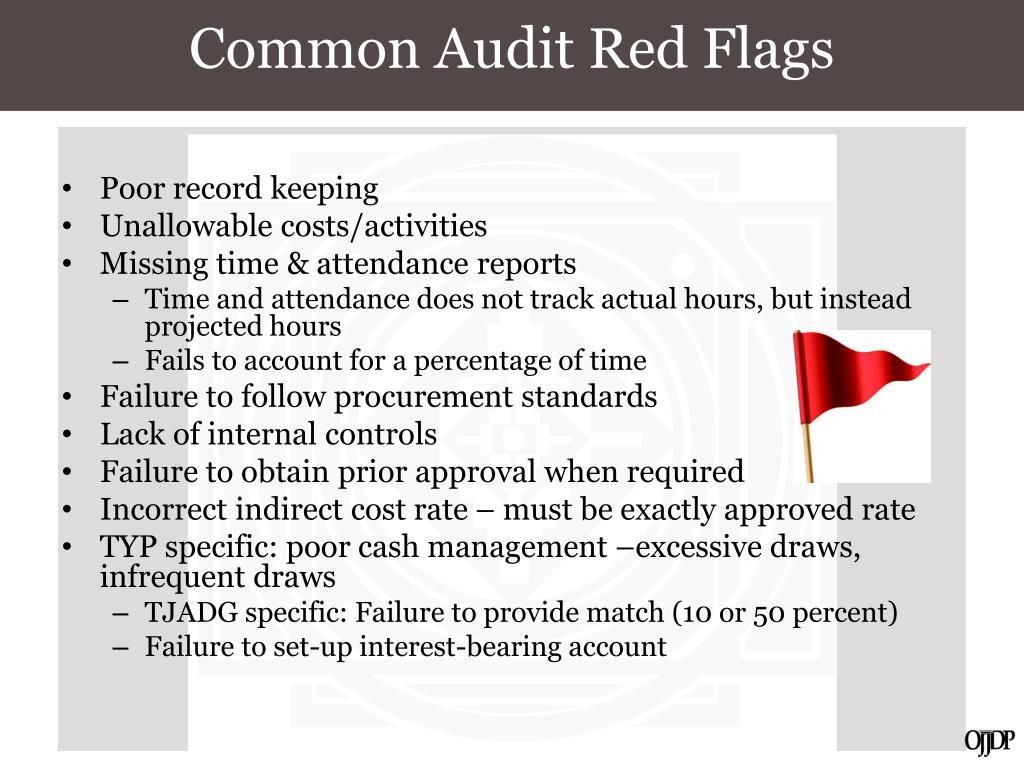
Understanding the Purpose of an Audit and Why Red Flags Matter
Audits serve as critical gatekeepers in organizational integrity, ensuring transparency, accountability, and compliance across financial, operational, and regulatory domains. While their primary goal varies—whether verifying financial accuracy, assessing adherence to laws, or optimizing internal processes—their shared objective is to mitigate risks before they escalate. Red flags, or early warning signs, act as the audit’s first line of defense, signaling discrepancies, anomalies, or systemic vulnerabilities that demand immediate attention. Ignoring these signals can lead to cascading failures, from financial hemorrhages to legal repercussions and reputational collapse. This section explores the foundational role of audits, the consequences of overlooking red flags, and the strategic advantages of proactive detection across audit phases, reinforced by a case study illustrating the high cost of neglect.
Core Objectives of Audits and the Role of Red Flags as Early Warning Systems
 Audits are categorized into three primary types, each with distinct yet interconnected objectives:
Red flags function as qualitative indicators—discrepancies, inconsistencies, or outliers—that deviate from expected patterns. For example:
> Key Insight: Red flags are not isolated incidents but systemic signals that, when aggregated, reveal deeper issues—whether intentional (fraud) or unintentional (process failures). Their detection hinges on auditors’ ability to contextualize data within industry benchmarks, historical trends, and regulatory expectations.
Consequences of Ignoring Red Flags in Audits
The failure to address red flags during an audit can trigger a domino effect, with consequences varying in severity based on the audit type and organizational context. Below is a structured breakdown of potential fallout:
- Financial Losses
- Fraud or Misappropriation: Undetected embezzlement or asset misallocation can lead to direct financial drain. For instance, a 2021 ACFE (Association of Certified Fraud Examiners) report revealed that organizations lose 5% of revenue annually to fraud, with median losses exceeding $2.4 million per case.
- Operational Inefficiencies: Ignored process red flags (e.g., redundant approvals, manual errors) inflate costs. A McKinsey study found that poor data quality alone costs companies $12.9 million annually on average.
- Legal and Regulatory Penalties
- Non-compliance with financial reporting standards (e.g., SOX violations) can result in fines, lawsuits, or even criminal charges. The Sarbanes-Oxley Act imposes fines up to $5 million and imprisonment for executives found guilty of certifying false financial statements.
- Industry-Specific Risks: Healthcare organizations failing HIPAA audits may face $1.5 million+ fines per violation, while financial institutions violating Basel III regulations risk asset restrictions or revoked licenses.
- Reputational Damage
- Scandals stemming from overlooked red flags (e.g., Enron’s creative accounting, Volkswagen’s emissions fraud) erode stakeholder trust, leading to customer churn, investor exodus, and brand devaluation. A Harvard Business Review analysis estimates that reputational damage can reduce company value by up to 40%.
- Stakeholder Erosion: Employees, suppliers, and partners may withdraw support, creating a vicious cycle of operational strain as talent retention and procurement become challenges.
- Operational and Strategic Failures
- Systemic Collapse: Red flags in operational audits (e.g., ignored cybersecurity vulnerabilities) can lead to breaches, halting operations. The 2020 Colonial Pipeline ransomware attack caused a six-day shutdown, costing $4.4 million in ransom and $4.6 million in recovery expenses.
- Strategic Misalignment: Overlooked compliance red flags may force costly pivots. For example, a retail chain ignoring supply chain audit warnings might face product recalls (e.g., Amazon’s 2019 baby product recall due to undetected safety lapses), incurring millions in losses.
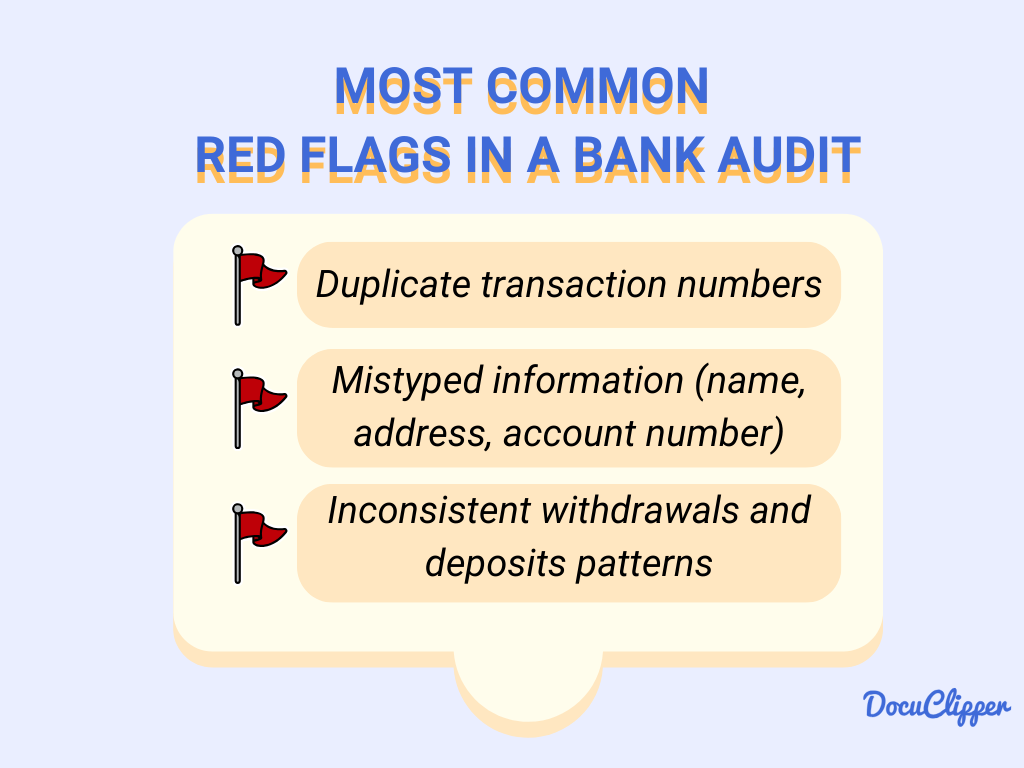 > Critical Threshold: The cost of detection vs. cost of correction escalates exponentially the later red flags are addressed. Early intervention can reduce financial losses by 60–80%, per Deloitte’s risk management studies.
Proactive vs. Reactive Approaches to Identifying Red Flags
The distinction between proactive and reactive red flag detection lies in timing, methodology, and impact mitigation. Proactive strategies focus on preemptive identification, while reactive approaches address issues post-occurrence, often at a higher cost.
| Aspect | Proactive Approach | Reactive Approach |
|---|---|---|
| Timing | Red flags identified before or during early audit phases (e.g., planning, sampling). | Red flags surfaced post-audit or after damage occurs (e.g., financial restatements, lawsuits). |
| Methodology |
|
|
| Impact Mitigation |
Reduces financial losses by 70–85% (PwC, 2022). Early correction of process inefficiencies avoids cascading errors. |
Increases resolution costs by 3–10x (EY, 2021). Reactive fixes often require systemic overhauls (e.g., replacing IT systems post-breach). |
| Stakeholder Perception | Enhances credibility; demonstrates governance maturity. | Undermines trust; signals poor oversight. |
> Industry Benchmark: Organizations using predictive analytics for red flag detection report 40% faster incident resolution and 25% lower audit costs (Gartner, 2023).
Timeline of Red Flag Emergence During an Audit and Their Respective Impacts
Red flags do not manifest uniformly; their visibility and criticality depend on the audit phase. Below is a phased breakdown of when red flags typically emerge and their potential consequences:
- Pre-Audit Phase (Planning and Risk Assessment)
- Red Flags: Incomplete documentation, historical audit findings with unresolved corrective actions, or gaps in internal controls.
- Impact:
- Audit Scope Limitations: If pre-audit controls are weak, auditors may expand scope unpredictably, increasing costs.
- Regulatory Scrutiny: Unaddressed prior findings may trigger higher penalties (e.g., SEC enforcement actions).
- Example: A compliance audit revealing unresolved SOX 404 deficiencies from prior years may lead to automatic follow-up exams by regulators. <
- Timing discrepancies: Revenue recognized in the final quarter of the fiscal year without corresponding delivery schedules or customer acceptance.
- Unusual revenue patterns: Sudden, unexplained increases in revenue from specific customers or regions, particularly if tied to related-party transactions.
- Contractual ambiguities: Revenue recognized based on contracts with vague terms, high cancellation rates, or lack of enforceable obligations.
- Inventory aging reports: Excessive obsolescence or slow-moving inventory that may require write-downs.
- LIFO/FIFO mismatches: Inconsistent application of inventory costing methods between periods, potentially masking profits.
- Unsupported adjustments: Inventory write-offs or revaluations without proper justification or board approval.
- Round-dollar amounts: Transactions or adjustments denominated in round numbers (e.g., $100,000, $500,000) may indicate collusion or cover-ups, as precise amounts are harder to fabricate.
- Related-party transactions: Sales, loans, or leases involving executives, owners, or affiliated entities without arm’s-length pricing or proper disclosure. These can manipulate earnings or divert assets.
- Unusual journal entries: Late-year adjustments, particularly those recorded just before financial statements are issued, may reflect management override or earnings manipulation.
- Cash flow discrepancies: Revenue recognized without corresponding cash receipts, or expenses paid without supporting invoices, may indicate check kiting or vendor fraud.
- Lack of segregation of duties: A single employee handling cash receipts, record-keeping, and reconciliation increases fraud risk (e.g., embezzlement or fake invoices).
- Inadequate approval processes: Expenses or payments approved by unauthorized personnel, or transactions exceeding authority limits without oversight.
- Weak documentation practices: Missing or vague supporting documents (e.g., handwritten notes, undated receipts) for significant transactions.
- Overridden controls: Management bypassing IT controls, physical safeguards, or policy restrictions, often justified by "exceptions" or "urgent" requests.
- No independent oversight of related-party transactions (e.g., Mark-to-Market accounting used to inflate profits).
- Lack of segregation in the Special Purpose Entities (SPEs) used to hide debt.
- Coercive culture where employees feared reporting control failures.
- Ratio analysis: Comparing financial ratios (e.g., gross margin, current ratio, debt-to-equity) to industry benchmarks or historical trends. Example: A sudden drop in gross margin may indicate cost overruns, theft, or revenue recognition fraud.
- Trend analysis: Examining year-over-year changes in key metrics (e.g., accounts receivable turnover, inventory turnover) to detect unusual patterns. Example: A sharp increase in accounts receivable without proportional revenue growth may signal fake sales.
- Benchmarking: Comparing client performance against peer group averages in the same industry. Example: A company with higher bad debt expense than competitors may have weak credit policies or fraudulent sales.
- Horizontal and vertical analysis: Assessing percentage changes in line items (horizontal) and relationships between accounts (vertical) to identify inconsistencies.
- Missing approvals on high-value transactions or process changes.
- Incomplete audit trails for sensitive procedures (e.g., patient care in hospitals or chemical handling in labs).
- Retroactive modifications to logs or records, which may indicate attempts to conceal errors. These issues not only violate internal controls but also expose organizations to regulatory sanctions, legal liabilities, or reputational damage.
- Expired or invalid licenses for medical staff, facilities, or pharmaceuticals, leading to patient safety risks and legal penalties under the
Health Insurance Portability and Accountability Act (HIPAA)
. - Non-adherence to SOPs in sterile procedures, such as improper hand hygiene or equipment sterilization, increasing infection rates and violating
Joint Commission standards
. - Billing fraud or upcoding, where services are misrepresented to insurers, triggering investigations by the
Office of Inspector General (OIG)
. - Lack of patient consent documentation for treatments or data sharing, exposing the organization to privacy lawsuits.
- Non-compliance with OSHA standards, such as unsafe machinery or lack of personal protective equipment (PPE), risking fines and worker injuries.
- Counterfeit or substandard materials in the supply chain, which can lead to product recalls (e.g., automotive or pharmaceutical industries) and damage to brand trust.
- Failure to report environmental incidents (e.g., chemical spills) under the
Environmental Protection Agency (EPA) regulations
, resulting in hefty fines. - Non-compliance with ISO 9001 or ISO 14001 quality and environmental standards, affecting certification and market access.
- Anti-Money Laundering (AML) violations, such as inadequate
Know Your Customer (KYC)
due diligence or suspicious transaction reporting (STR) failures, triggeringFinCEN or FATF penalties
. - Improper record retention of client communications or transaction histories, violating
Securities and Exchange Commission (SEC) Rule 17a-4
. - Conflicts of interest among employees or third-party vendors without disclosure, leading to insider trading allegations or
Sarbanes-Oxley (SOX) violations
. - Non-compliance with GDPR or CCPA in data handling, resulting in fines up to
4% of global revenue
. - Missing signatures or approvals on critical documents (e.g., contracts, safety reports), indicating unauthorized actions or lack of oversight.
- Altered or backdated records, which may signal fraudulent activities or attempts to meet deadlines artificially.
- Inconsistent signatures across versions of the same document, suggesting potential forgery or identity fraud.
- Lack of version control for electronic records, increasing risks of unauthorized modifications.
- Gaps in audit trails for high-risk transactions, such as missing timestamps or user logs in IT systems.
- Non-compliance with emissions standards, such as exceeding
EPA’s Clean Air Act limits
or failing to report greenhouse gas emissions underSEC climate disclosure rules
. - Illegal dumping or improper waste disposal, risking fines and community backlash (e.g., cases like
VW’s diesel emissions scandal
). - Deforestation or habitat destruction linked to supply chain activities, violating
International Labour Organization (ILO) or CITES regulations
. - Water or air pollution incidents without proper remediation, leading to lawsuits or operational shutdowns.
- Forced or child labor in supply chains, which can trigger boycotts and legal action under
U.S. Tariff Act Section 307
. - Discrimination or harassment claims without documented investigations, exposing organizations to
EEOC or Title VII violations
. - Failure to pay minimum wage or overtime, leading to wage-and-hour lawsuits and reputational harm.
- Lack of diversity and inclusion programs, which may result in lost talent and investor scrutiny under
ESG rating frameworks (e.g., MSCI, Sustainalytics)
. - Weak board oversight, such as lack of independent directors or inadequate risk committee structures.
- Related-party transactions without disclosure, raising conflicts-of-interest concerns and violating
SOX Section 404
. - Lack of whistleblower protections, discouraging reporting of misconduct and enabling systemic fraud.
- Non-compliance with corporate transparency laws, such as failing to file
Dodd-Frank Section 1502 disclosures
on conflict minerals. - Unrealistic revenue projections without supporting evidence (e.g., backlog data, customer contracts).
- Sudden write-offs or asset revaluations that inflate financial health artificially.
- Tone at the top—a leadership culture that dismisses audit findings as "minor" or "temporary" issues. Psychological profiling here involves assessing cognitive dissonance—where leaders justify unethical behavior to align with their self-image. For example, a CEO who publicly champions transparency but privately pressures finance teams to "adjust" numbers exhibits a duality red flag. Auditors can use behavioral interview techniques (e.g., probing inconsistencies in leadership statements) to uncover such contradictions.
- Restricted access to systems or documents without valid justification (e.g., IT access logs showing unauthorized deletions).
- Off-the-books communications, such as encrypted messages or untraceable payments to personal accounts.
- Sudden role changes (e.g., an accounts payable clerk promoted to a non-finance role) that disrupt audit trails. Case Study: Wirecard Scandal (2020) Wirecard’s collapse exposed how employee complicity enabled fraud. Auditors later discovered that IT staff altered transaction records to hide missing funds, while executives threatened whistleblowers. The company’s culture of silence—reinforced by a "win at all costs" mentality—allowed fraud to persist for years despite internal controls. Auditors should map employee behavior patterns using:
- Anomaly detection tools to flag unusual access times or data modifications.
- Whistleblower hotline analytics to identify recurring themes in anonymous reports.
- Social network analysis to detect cliques or isolated individuals who may be shielding misconduct.
- Revenue-driven decision-making, where sales teams are incentivized to recognize revenue prematurely.
- Punitive environments, where employees fear reporting errors or discrepancies.
- Selective enforcement, where rules apply differently to high-profile employees or vendors. Case Study: Theranos (2015) Theranos’s fraud relied heavily on cultural conditioning. Founder Elizabeth Holmes cultivated a "revolutionary" narrative that discouraged skepticism, while employees self-censored due to fear of being labeled "non-team players." Auditors from PricewaterhouseCoopers (PwC) later admitted they were misled by the company’s hype, overlooking red flags like unverified test results and lack of lab infrastructure. Toxic culture indicators include:
- Tone at the top assessment: Evaluate leadership communications for consistency, transparency, and accountability.
- Employee sentiment surveys: Look for patterns in anonymous feedback (e.g., "management ignores red flags").
- Vendor and consultant interactions: Assess whether third parties face scrutiny or are given preferential treatment.
- Offshore transactions with no clear purpose or documentation.
- Consulting fees paid to shell companies linked to executives.
- Gift or hospitality policies being circumvented (e.g., lavish client entertainment with no receipts). Case Study: FIFA Corruption Scandal (2015) Investigations revealed that FIFA officials colluded with marketing agencies to inflate sponsorship deals, with kickbacks funneled through intermediaries. Auditors later noted that lack of vendor due diligence allowed these schemes to operate undetected for years. Red flags in third-party interactions:
- Lack of competitive bidding for high-value contracts.
- Vendor master data inconsistencies (e.g., duplicate suppliers, unrelated addresses).
- Consultants with no verifiable expertise but high fees. Auditors should:
- Cross-reference vendor data with public records (e.g., Dun & Bradstreet, OpenCorporates).
- Analyze payment patterns for anomalies (e.g., round-dollar amounts, untimely invoices).
- Conduct surprise audits of third-party contracts to verify compliance.
Common Red Flags in Financial Audits
Financial audits serve as a critical safeguard against misstatements, fraud, and operational inefficiencies, but their effectiveness hinges on the auditor’s ability to identify red flags—signals that warrant deeper scrutiny. These red flags manifest in financial statements, accounting records, internal controls, and transaction patterns, often indicating intentional fraud or unintentional errors. While some red flags are overt, such as unexplained discrepancies in revenue, others require analytical rigor, such as detecting anomalies through data-driven techniques. Understanding these indicators allows auditors to shift from reactive investigations to proactive risk mitigation, ensuring financial integrity and compliance. Red flags in financial audits can be broadly categorized into quantitative anomalies (measurable deviations from norms) and qualitative inconsistencies (subjective or procedural irregularities). Quantitative red flags often involve statistical outliers—such as sudden spikes in expenses or revenue recognition timing—while qualitative red flags may stem from vague documentation, lack of segregation of duties, or coercive management behavior. Both categories demand a structured approach to detection, combining manual review with automated data analytics to uncover hidden risks. Below, we explore the most critical red flags in financial audits, their implications, and methods for identification, including the role of technology in enhancing detection capabilities.
Financial Statement Red Flags and Revenue Recognition Inconsistencies
Financial statements are the primary artifacts auditors examine, and inconsistencies within them can signal fraudulent activity or accounting errors. One of the most high-profile areas of concern is revenue recognition, where misstatements often inflate profitability or obscure financial health. For instance, premature revenue recognition—recording sales before goods are delivered or services rendered—distorts earnings and violates ASC 606 (Revenue from Contracts with Customers) or IFRS 15 standards. Auditors should scrutinize:
Another critical red flag is inventory valuation discrepancies, where physical counts do not match recorded amounts. Overstated inventory can inflate assets and suppress cost of goods sold (COGS), artificially boosting net income. Auditors should verify:
Example: In 2018, Luckin Coffee faced a $300 million fraud scandal after auditors discovered inflated revenue through fake sales transactions. The company’s revenue grew 300% year-over-year, but investigations revealed no corresponding customer orders or deliveries, exposing a systematic scheme to meet earnings targets.
Suspicious Financial Transactions and Their Implications
Certain transactions stand out due to their unusual nature, round-dollar amounts, or lack of business justification. These suspicious transactions often serve as smokescreens for fraud or aggressive accounting practices. Auditors must evaluate:
Example: WorldCom’s 2002 fraud involved $3.8 billion in improper capitalization of expenses as assets, inflating earnings by $95 billion over five years. The scheme relied on unusual journal entries that reclassified operational costs into long-term investments, evading scrutiny until an internal whistleblower exposed the fraud.
Internal Control Weaknesses as Red Flags
Internal controls are the first line of defense against fraud and errors, and their weaknesses often leave gaps exploited by perpetrators. Auditors assess controls using the COSO Framework (Committee of Sponsoring Organizations), focusing on five components: control environment, risk assessment, control activities, information and communication, and monitoring. Key red flags include:
Example: Enron’s collapse stemmed from weak internal controls, including:
Auditors should test controls using walkthroughs, inquiry, and substantive procedures, particularly in high-risk areas like payroll, procurement, and revenue cycles.
Methods for Detecting Red Flags in Accounting Records
Identifying red flags requires a mix of analytical procedures, benchmarking, and trend analysis. Auditors leverage these techniques to spot anomalies before they escalate. Key methods include:
Example: During the 2008 financial crisis, auditors used ratio analysis to detect overstated leverage at Lehman Brothers, where off-balance-sheet entities masked true debt levels.
Quantitative vs. Qualitative Red Flags: A Comparative Analysis
Red flags can be classified into quantitative (measurable deviations) and qualitative (subjective or procedural issues). Below is a comparative table outlining their characteristics, potential causes, and audit responses:
| Category | Red Flag Example | Potential Cause | Audit Response | |||||||||||||||||||||||||||||||||||
|---|---|---|---|---|---|---|---|---|---|---|---|---|---|---|---|---|---|---|---|---|---|---|---|---|---|---|---|---|---|---|---|---|---|---|---|---|---|---|
| Quantitative Red Flags | Sudden 50% increase in "miscellaneous expenses" in Q4 | Earnings management, vendor fraud, or undocumented payments | Vouch all expenses; test for related-party transactions; compare with prior years | |||||||||||||||||||||||||||||||||||
| Revenue recognized 10 days before year-end with no shipment documentation | Premature revenue recognition to meet earnings targets | Confirm customer orders; inspect delivery records; assess contract compliance | ||||||||||||||||||||||||||||||||||||
| Inventory write-downs exceeding 20% of annual COGS | Overstated inventory or aggressive valuation | Perform physical inventory counts; verify obsolescence reserves | ||||||||||||||||||||||||||||||||||||
Qualitative Red FlagsOperational and Compliance Red Flags in Audits: Identifying Risks and Ensuring Accountability
Operational and compliance red flags serve as critical indicators of inefficiencies, regulatory breaches, or ethical lapses within an organization. Unlike financial discrepancies, these red flags often stem from systemic issues in workflows, adherence to standards, or governance practices. Identifying them early allows auditors to mitigate risks, prevent costly violations, and enhance organizational resilience. This section explores operational inefficiencies, compliance violations across industries, and the role of ESG audits in uncovering hidden risks, alongside practical tools like benchmarking and whistleblower protocols to strengthen audit effectiveness.
Operational Red Flags in Process Audits: Inefficiencies and Process DeviationsProcess audits evaluate whether operational workflows align with best practices, regulatory requirements, and organizational goals. Operational red flags often manifest as inefficiencies that drain resources, increase errors, or hinder scalability. Common examples include bottlenecks in workflows, where critical tasks stall due to poor resource allocation or lack of automation. Frequent process deviations—such as repeated failures to follow standard operating procedures (SOPs)—suggest a disconnect between policy and execution, while lack of documentation in high-risk operations (e.g., manufacturing, healthcare) can obscure accountability and compliance gaps. Auditors should scrutinize key performance indicators (KPIs) tied to operational efficiency, such as cycle times, error rates, or cost per unit. For instance, a manufacturing plant with consistently high defect rates despite quality control measures may indicate flawed training programs or inadequate equipment maintenance. Similarly, manual override of automated systems without proper justification can signal systemic trust issues or bypassed controls. Cross-functional silos—where departments operate in isolation—often lead to miscommunication, redundant efforts, and delayed responses to operational issues. Documentation gaps in critical operations are particularly alarming. For example:Compliance Red Flags Across Industries: Regulatory Violations and Licensing RisksCompliance red flags vary by sector but universally indicate failure to meet legal, industry-specific, or internal standards. Below is a checklist of compliance red flags tailored to high-risk industries, along with their potential consequences: Healthcare SectorFDA 21 CFR Part 11). Environmental, Social, and Governance (ESG) Red Flags: Ethical and Sustainability RisksESG audits assess an organization’s impact on society, the environment, and governance practices. Red flags in this domain often reveal ethical lapses, regulatory non-compliance, or reputational threats. Key areas of concern include: Environmental ViolationsInternal vs
|
| Passive Red Flags | Active Red Flags | Root Cause |
|---|---|---|
| Slow response to audit requests | Confrontational behavior toward auditors | Fear of exposure or control issues |
| Vague explanations for discrepancies | Public blame-shifting (e.g., "IT did it") | Accountability avoidance |
| High employee turnover in finance | Celebration of "creative" accounting | Reward systems tied to short-term gains |
| Lack of documented policies | Overriding internal controls | Leadership disregard for governance |
Third-Party Interactions: Unexplained Payments and Favoritism as Audit Triggers
Third parties—vendors, consultants, and contractors—often serve as gateways to fraud due to limited oversight. Unexplained payments, such as:Red Flag Escalation Matrix: From Audit Observations to Actionable Steps
Not all behavioral red flags require immediate intervention, but severity and persistence dictate the response. Below is a risk-based escalation matrix for auditors, categorizing concerns by impact, likelihood, and urgency:| Red Flag Category | Severity Level | Escalation Path | Recommended Action |
|---|---|---|---|
| Passive Resistance | Low | Audit Manager → Department Head | Document findings; schedule follow-up review |
| Financial Target Pressure | Medium | Audit Manager → CFO → Board Risk Committee | Independent validation of projections; stress-test scenarios |
| Employee Secrecy | High | Audit Manager → Legal → HR | Whistleblower protection assessment; forensic investigation |
| Vendor Kickbacks | Critical | External Auditor → Legal → Regulatory Authorities (e.g., SEC, DOJ) | Suspend vendor contracts; file suspicious activity report (SAR) |
| Executive Override | Critical | External Auditor → Board of Directors → Independent Oversight Committee |
Spotting red flags during an audit is not merely about ticking boxes or following protocols; it is about recognizing the early signs of systemic vulnerabilities before they spiral into full-blown crises. Whether through financial discrepancies, operational inefficiencies, or behavioral anomalies, these warning signals serve as a compass for auditors navigating complex landscapes of risk. By leveraging data analytics, behavioral insights, and structured methodologies, auditors can transform red flags into actionable intelligence, turning potential threats into opportunities for improvement. The lesson is clear: vigilance today prevents disasters tomorrow, and the organizations that master the art of early detection will not only survive audits but thrive in an era where transparency and accountability are non-negotiable.
Leave a Comment
Comments are moderated before appearing. The data you submit is processed according to the Privacy Policy of Voltefac.