| Placement of Temporary Fillings |
Advanced training (30–60 hours); some states require dentist oversight |
Composite or glass ionomer material, mixing pads, condensers, curing light |
- Allows
Core Competencies and Skills Required for Expanded Duties in Dental Assisting
The evolution of dental assisting roles has shifted from traditional chairside support to a dynamic scope encompassing clinical procedures, patient education, and practice management. Mastering core competencies—a blend of technical, clinical, and soft skills—is critical for dental assistants (DAs) performing expanded duties. These skills ensure efficiency, patient safety, and seamless integration into modern dental workflows. Below is a structured breakdown of the essential competencies, technical procedures, and soft skills required, alongside practical strategies for overcoming challenges in high-demand dental environments.
Clinical and Technical Skills for Expanded Duties
Expanded duties in dental assisting demand proficiency in hands-on clinical procedures, each requiring precision, adherence to protocols, and familiarity with dental materials. The following technical skills are foundational for roles such as preventive care, restorative procedures, and radiography.
Infection Control and Sterilization
Dental assistants performing expanded duties must uphold rigorous infection control standards to prevent cross-contamination. Key procedures include:
- Surface decontamination using EPA-registered disinfectants, with dwell times specified for each agent (e.g., 10 minutes for sodium hypochlorite).
- Instrument sterilization via autoclaving, ensuring packages are dry, sealed, and monitored for temperature/time cycles (e.g., 121°C for 15–30 minutes).
- Waste management, including segregation of sharps, biohazardous materials, and non-hazardous waste per OSHA guidelines.
Patient Management and Chairside Assisting
Efficient chairside assisting enhances workflow and patient comfort. Critical tasks include:
- Four-handed dentistry coordination, where the DA anticipates the dentist’s needs by preparing instruments (e.g., holding the high-speed handpiece at a 90° angle for optimal visibility).
- Patient positioning for ergonomic access, such as adjusting the chair to align the patient’s mouth with the dentist’s line of sight during procedures like fillings or extractions.
- Time management during procedures, such as rinsing and suctioning to maintain a dry field without disrupting the dentist’s rhythm.
Preventive and Restorative Procedures
Technical skills for expanded duties often include:
- Coronal polishing using rubber cups, prophylaxis paste, and slow-speed handpieces to remove stains while avoiding enamel damage. The procedure involves:
1. Isolating the teeth with a rubber dam or cotton rolls.
2. Applying paste in circular motions with light pressure.
3. Rinsing thoroughly to prevent paste residue.
- Dental sealant application, a multi-step process requiring acid etching (30–60 seconds with 37% phosphoric acid), rinsing, drying, and applying sealant with a brush or applicator tip.
- Taking alginate impressions for study models or orthodontic appliances, where accuracy depends on:
- Proper tray selection (custom vs. stock).
- Even distribution of alginate to avoid air bubbles.
- Uniform pressure during insertion to capture anatomical details.
Radiography and Digital Imaging
For DAs trained in expanded duties, radiography involves:
- Positioning the X-ray sensor parallel to the tooth and perpendicular to the angle of the beam (e.g., paralleling technique for periapical radiographs).
- Radiation safety, including lead apron use, collimation, and minimizing retakes by verifying exposure settings (kVp, mA).
- Digital imaging workflows, such as adjusting contrast/brightness in software like DentalMonitor or Carestream to enhance diagnostic clarity.
Technical proficiency alone does not guarantee success in expanded duties. Soft skills—such as communication, adaptability, and critical thinking—are equally vital for navigating patient interactions, managing stress, and troubleshooting unexpected issues.
Effective Communication with Patients and Team Members
Clear communication reduces anxiety and improves procedural outcomes. Examples include:
- Patient education during sealant application, explaining the purpose of the procedure and post-treatment care (e.g., avoiding sticky foods for 24 hours).
- Non-verbal cues in fast-paced environments, such as handing instruments silently or using hand signals to indicate readiness.
- Conflict resolution, such as addressing patient discomfort during impressions by offering distractions (e.g., music or guided breathing techniques).
Time Management and Multitasking
Dental assistants often juggle multiple tasks simultaneously. Strategies for efficiency include:
- Prioritizing tasks based on urgency (e.g., preparing for an emergency extraction before scheduling a routine cleaning).
- Streamlining workflows, such as pre-loading instruments during patient check-in to reduce downtime.
- Delegation, where DAs with expanded duties train office staff to handle administrative tasks (e.g., verifying insurance details) to focus on clinical responsibilities.
Adaptability in Dynamic Environments
Unpredictable scenarios—such as equipment failures or patient emergencies—require quick thinking. Adaptability manifests in:
- Problem-solving during sealant application if the etching gel fails to set, necessitating re-etching or using an alternative adhesive.
- Flexibility in scheduling, such as rescheduling patients when a DA must assist in an unexpected extraction.
- Learning new technologies, like transitioning from traditional film radiography to digital sensors without disrupting workflow.
Top 10 Expanded Duties, Competencies, and Training Levels
The following table outlines common expanded duties, the associated competencies, and the training intensity required (beginner, intermediate, or advanced). Cross-training in multiple areas enhances versatility and career growth.
| Expanded Duty |
Key Competencies |
Associated Skills |
Training Level |
| Coronal Polishing |
Infection control, ergonomics, patient comfort |
Instrument handling, paste application, suction techniques |
Beginner |
| Dental Sealant Application |
Isolation techniques, acid etching protocols, material handling |
Moisture control, light-curing procedures, patient education |
Beginner/Intermediate |
| Radiography (Intraoral/Extraoral) |
Radiation safety, positioning, image interpretation basics |
Sensor placement, exposure settings, digital processing |
Intermediate |
| Taking Alginate/PVSilicon Impressions |
Anatomical knowledge, material mixing, patient instructions |
Tray selection, pressure application, bubble avoidance |
Intermediate |
| Placement of Periodontal Dressings |
Suturing assistance, infection control, patient aftercare |
Material application, patient comfort, post-op instructions |
Intermediate/Advanced |
| Topical Fluoride Application |
Chemical safety, patient isolation, time management |
Tray application, suctioning, fluoride varnish techniques |
Beginner |
| Assisting in Restorative Procedures (e.g., Fillings) |
Four-handed dentistry, instrument transfer, cavity isolation |
Matrix band placement, etch/rinse/light-cure protocols |
Intermediate |
| Provisional Crown Fabrication |
Material science (e.g., bis-acryl composites), occlusion checking |
Impression analysis, wax-up techniques, patient bite verification |
Advanced |
| Oral Health Education and Preventive Counseling |
Communication, motivational interviewing, cultural competency |
Dietary analysis, home care demonstrations, risk assessment |
Beginner/Intermediate |
| Surgical Assisting (e.g., Extractions, Biopsies) |
Sterile field maintenance, instrument knowledge, emergency readiness
Online Training Programs for Dental Assistant Expanded Duties
The evolution of dental assisting roles demands continuous skill enhancement, and online training programs have emerged as a pivotal solution for professionals seeking to expand their capabilities. These programs address the growing need for flexibility, cost efficiency, and accessibility in dental education, particularly for those balancing work, family, or other commitments. With advancements in digital learning, dental assistants can now acquire advanced skills—such as radiography interpretation, anesthesia assistance, or preventive care techniques—without the constraints of traditional classroom settings. Accreditation remains a critical factor, as it ensures programs meet industry standards and enhance career prospects, while non-accredited alternatives may offer convenience at the risk of limited recognition.
Benefits of Online Training for Dental Assistants
Online training programs for dental assistant expanded duties provide multiple advantages that align with the demands of modern healthcare professionals. Flexibility allows learners to progress at their own pace, accommodating varying schedules and personal responsibilities. Cost-effectiveness reduces expenses related to commuting, accommodation, and printed materials, making advanced education more attainable. Additionally, accessibility ensures geographic barriers do not limit opportunities, enabling rural or international practitioners to access high-quality instruction. Studies indicate that online learners often achieve comparable or superior outcomes in skill retention when compared to traditional methods, particularly when programs incorporate interactive simulations and mentorship.
Accreditation and Its Impact on Certification and Career Prospects
Accreditation from recognized bodies, such as the Commission on Dental Accreditation (CODA) or regional education councils, validates the rigor and relevance of online training programs. Programs with CODA accreditation ensure alignment with national competency standards, facilitating seamless certification processes through organizations like the Dental Assisting National Board (DANB). Graduates from accredited programs often enjoy better job placement rates and eligibility for advanced roles, such as dental hygiene or office management positions. In contrast, non-accredited programs may lack standardized curricula or industry recognition, potentially compromising career advancement despite offering convenience.
Key Considerations for Accreditation:
- Certification Eligibility: Only accredited programs guarantee eligibility for credentials like the Certified Dental Assistant (CDA) or state-specific expanded duties licenses.
- Employer Preferences: Many dental practices prioritize hiring candidates with certifications from accredited institutions, as these signal adherence to professional benchmarks.
- Continuing Education Credits (CEUs): Accredited courses often provide CEUs, essential for license renewal and career progression.
Reputable Online Training Providers for Expanded Duties Courses
Selecting a high-quality online program requires evaluating providers with established reputations in dental education. Below is a curated list of institutions offering expanded duties training, categorized by key features. Note that this list is illustrative and not exhaustive; thorough research is advised before enrollment.
| Program Name |
Key Course Offerings |
Duration and Format |
Certification Options |
| American Dental Assistants Association (ADAA) – Expanded Functions Online |
Radiology interpretation, infection control, preventive dentistry, sedation assisting |
Self-paced (6–12 months); hybrid options with live Q&A sessions |
DANB certification preparation; state-specific expanded duties licenses |
| Concorde Career College – Online Dental Assisting Programs |
Advanced chairside assisting, dental radiography, oral health education, digital imaging |
Self-paced or cohort-based (9–12 months); includes virtual labs |
CODA-accredited; eligibility for CDA and state certifications |
| Dental Assistant School – Expanded Functions Training |
Anesthesia assisting, dental materials, practice management, legal ethics |
Self-paced (3–6 months); optional live workshops |
DANB-aligned; state-specific endorsements |
| Ashworth College – Dental Assisting with Expanded Duties |
Clinical dental procedures, radiology, patient education, office administration |
Self-paced (12–18 months); asynchronous modules |
Non-accredited but offers career support and DANB prep materials |
| University of Bridgeport – Online Dental Hygiene/Dental Assisting Bridge Programs |
Advanced clinical skills, public health dentistry, research methodologies |
Cohort-based (12–24 months); includes virtual simulations and externships |
CODA-accredited; eligibility for RDH or CDA with expanded scope |
Note: Prospective students should verify state-specific requirements, as expanded duties regulations vary by jurisdiction. For example, some states mandate clinical externships, while others accept virtual simulations under accredited programs.
Curriculum Components of Online Expanded Duties Programs
A comprehensive online program for dental assistant expanded duties integrates theoretical knowledge, practical simulations, and real-world application. Theoretical modules cover essential topics such as oral anatomy, dental radiography principles, pharmacology for dental procedures, and infection control protocols. These are typically delivered through multimedia lectures, interactive quizzes, and case studies to reinforce learning.
Hands-on Training Methods:
- Virtual Simulations: Programs increasingly incorporate interactive 3D models of dental procedures (e.g., fillings, extractions) to allow learners to practice techniques in a risk-free environment. Platforms like zSpace or Osso VR simulate tactile feedback, bridging the gap between theory and practice.
- Lab-Based Assignments: Some providers partner with local dental clinics or mail physical training kits (e.g., typodont models for practicing restorative techniques) to supplement digital learning.
- Clinical Externships: Mandatory for certification in many states, externships require 100–200 hours of supervised practice in a clinical setting. Online programs may facilitate externship placements through affiliated networks or require self-arrangement.
Example Curriculum Breakdown:
| Module |
Topics Covered |
Delivery Method |
| Dental Radiography and Imaging |
X-ray techniques, digital radiography, radiation safety, image interpretation |
Video lectures, virtual patient cases, quizzes |
| Anesthesia Assistance |
Local anesthesia administration, patient monitoring, emergency protocols |
Simulated patient scenarios, VR injections, written exams |
| Dental Materials and Restorative Techniques |
Composite resins, amalgam placement, impression materials, lab procedures |
Virtual labs, step-by-step video guides, hands-on kits |
| Legal and Ethical Considerations |
HIPAA compliance, malpractice prevention, scope of practice laws |
Interactive modules, real-case analyses, discussion forums |
Evaluating the Quality of Online Programs
Assessing an online program’s quality ensures alignment with career goals and educational standards. Instructor qualifications are paramount; faculty should hold advanced degrees (e.g., RDH, DDS, or MS in Dental Education) and clinical experience. Student reviews on platforms like Trustpilot, Reddit, or the Better Business Bureau provide insights into program strengths and weaknesses, particularly regarding support services and job placement outcomes.
Critical Evaluation Factors:
- Accreditation Status: Prioritize CODA-accredited or regionally accredited programs (e.g., DEAC, SACSCOC).
- Curriculum Relevance: Verify that the program covers state-specific expanded duties requirements and includes clinical externships if mandated.
- Technical Support: Reliable Learning Management Systems (LMS) with mobile accessibility, IT support, and regular software updates are essential.
- Career Services: Programs offering resume reviews, interview preparation, and employer networking enhance post-graduation prospects.
- Alumni Outcomes: Request data on certification pass rates and employment placement within 6–12 months of graduation.
Red Flags to Avoid:
- Programs promising guaranteed certification without accreditation.
- Lack of clear externship guidelines or partnerships with dental practices.
- Poor student-to-instructor ratios, which may limit personalized
Step-by-Step Guide to Completing Online Training and Certification for Dental Assistant Expanded Duties
Online training and certification for dental assistant expanded duties provide flexibility and accessibility for professionals aiming to enhance their career prospects. The structured process ensures competency in advanced tasks such as radiography, sealant application, or coronal polishing, while adhering to state and national regulations. Completing this journey requires careful planning, from meeting prerequisites to securing certification and maintaining credentials. Below is a detailed breakdown of each critical phase, designed to streamline preparation and execution.
Enrollment Process and Prerequisites for Online Expanded Duties Programs
Before enrolling in an online program for expanded duties, candidates must fulfill specific prerequisites to ensure readiness for advanced training. These typically include:
- Current Dental Assistant Licensure: Most programs require candidates to hold a valid dental assistant certification or license, issued by a state or national board (e.g., Certified Dental Assistant (CDA) through the Dental Assisting National Board (DANB)).
- CPR Certification: Basic Life Support (BLS) for Healthcare Providers, certified by organizations like the American Heart Association (AHA) or Red Cross, is mandatory.
- High School Diploma or Equivalent: Some programs may require proof of a high school diploma or GED, though this varies by institution.
- Background Check: Certain states or clinical components may necessitate a criminal background check to ensure patient safety and compliance with healthcare regulations.
Programs like those offered by DANB, Commission on Dental Accreditation (CODA)-accredited schools, or state-specific boards outline these prerequisites clearly on their websites. For example, the Radiology Expanded Duties (RED) program through DANB requires candidates to already be CDA-certified before applying. Prospective students should verify these requirements directly with the program provider, as variations exist based on state laws and specialization (e.g., orthodontic assisting or sedation assisting).
Structure of Online Courses: Modules, Assessments, and Timelines
Online expanded duties programs are typically structured into modular units, combining theoretical instruction with practical assessments. A standard course may span 3 to 12 months, depending on the specialization and program intensity. Below is an example of a 6-month online program structure for expanded duties in radiography:
| Module |
Duration |
Content Focus |
Assessment |
| Introduction to Expanded Duties |
Week 1 |
Role of dental assistants in expanded duties, legal and ethical considerations, and patient safety protocols. |
Discussion forum participation. |
| Radiation Safety and Biology |
Weeks 2-3 |
Principles of radiation physics, ALARA (As Low As Reasonably Achievable) principles, and infection control. |
Weekly quizzes (20 questions each). |
| Radiographic Techniques |
Weeks 4-8 |
Equipment operation, positioning patients, and interpreting radiographs. Includes virtual simulations. |
Midterm exam (50 questions) and hands-on technique evaluations (recorded and submitted). |
| Clinical Applications and Documentation |
Weeks 9-10 |
Practical scenarios in patient management, documentation standards, and digital radiography workflows. |
Case study analysis (written submission). |
| Final Project and Certification Prep |
Weeks 11-12 |
Comprehensive review of all modules, mock exams, and portfolio development for certification. |
Final exam (100 questions) and competency portfolio submission. |
Programs often incorporate asynchronous learning, allowing students to progress at their own pace while adhering to deadlines for quizzes and exams. Some institutions, such as Fortis Institute or Penn Foster College, offer hybrid models, combining online coursework with in-person labs for hands-on training. Students should allocate 10–15 hours per week for coursework, including study time and assessments, to complete the program efficiently.
Preparing for Hands-On or Clinical Components
Expanded duties training often includes clinical or hands-on components to ensure proficiency in tasks like taking radiographs or applying sealants. Preparation for these segments involves securing supervision, setting up practice environments, and documenting progress. Below are key steps to facilitate this process:
Securing a Preceptor or Mentor
A preceptor, typically a licensed dentist or experienced dental assistant, oversees hands-on training and provides real-world guidance. To secure a preceptor:
- Leverage Professional Networks: Reach out to colleagues, local dental practices, or alumni from your training program for recommendations.
- Contact Local Dental Schools or Clinics: Many academic institutions or community health clinics offer preceptor opportunities for continuing education.
- State Dental Boards: Some states maintain lists of approved preceptors for expanded duties training. For example, the California Dental Board provides resources for clinical training sites.
- Volunteer or Shadowing: Offer to volunteer or shadow in a dental office to build relationships with potential preceptors.
Setting Up a Home Practice Environment
For skills requiring minimal equipment (e.g., sealant application or coronal polishing), candidates may practice at home under supervision. Essential steps include:
- Obtaining Approved Equipment: Purchase or borrow items like disposable gloves, radiography lead aprons, or sealant application kits from dental supply companies (e.g., Henry Schein, Patterson Dental).
- Creating a Sterile Workspace: Designate a clean, well-lit area with proper storage for instruments and supplies. Follow OSHA and CDC guidelines for infection control.
- Using Simulation Tools: Virtual reality (VR) platforms or mannequin models (e.g., Nissin Dental Phantom Heads) can simulate patient interactions for skills like radiography positioning.
Documenting Competency Milestones
Proficiency in expanded duties is often validated through recorded demonstrations or checklists. Candidates should:
- Maintain a Training Log: Track hours spent on each skill, including dates, tasks performed, and preceptor feedback. Some programs require a minimum of 20–40 hours of hands-on practice.
- Record Video Evidence: Film practice sessions (e.g., taking radiographs or applying sealants) and submit them for evaluation. Ensure compliance with HIPAA by avoiding patient identifiers.
- Collect Signed Affidavits: Have the preceptor sign off on completed competencies, confirming mastery of each task.
Managing Time Effectively While Balancing Online Training with Commitments
Balancing online training with work, family, or other responsibilities requires strategic time management. The following strategies can help maintain productivity without burnout:
- Prioritize Tasks Using a Time Block Schedule: Allocate specific time slots for coursework, such as early mornings for readings and evenings for quizzes. Tools like Google Calendar or Trello can help organize deadlines.
- Leverage Asynchronous Learning: Complete coursework during off-peak hours (e.g., late nights or weekends) to avoid conflicts with work shifts.
- Set Realistic Goals: Break the program into smaller milestones (e.g., "Complete Module 2 by Friday") to avoid overwhelm. Use the Pomodoro Technique (25-minute focused work intervals) for concentrated study sessions.
- Communicate with Employers: Inform supervisors about your training schedule and request accommodations, such as flexible hours or study leave, if possible.
- Join Study Groups: Collaborate with peers in online forums or local meetups to share resources and stay motivated. Platforms like Facebook Groups or Reddit’s r/DentalAssisting often host study groups for expanded duties programs.
- Avoid Multitasking: Focus on one task at a time to improve retention. For example, dedicate one hour solely to watching lecture videos without distractions.
Certification Process: Exams, Applications, and Maintaining Credentials
Upon completing the online program, candidates must pass certification exams and fulfill application requirements to legally perform expanded duties. The process varies by specialization and state but generally follows these steps:
Exam Requirements
- Written Exams: Most certifications (e.g., DANB’s RED or CDA Renewal with Expanded Duties) include a 100–150 question multiple-choice test covering theory and practical applications.
- Practical Exams: Some states, like Texas or Florida, require hands-on evaluations for skills such as radiography. These may be conducted at approved testing centers.
- Portfolio Reviews: Programs like DANB’s
The future of dental assisting lies in adaptability, and expanded duties training is the key to unlocking it. By embracing online certification programs, dental assistants can bridge skill gaps, enhance patient outcomes, and position themselves for higher earning potential. The transition requires commitment to continuous learning, from mastering clinical techniques to staying ahead of technological advancements. For practices, investing in trained assistants means smoother operations and greater patient satisfaction. Ultimately, the shift toward expanded roles isn’t just about doing more—it’s about doing it better, smarter, and with precision that elevates the entire dental care experience. | |
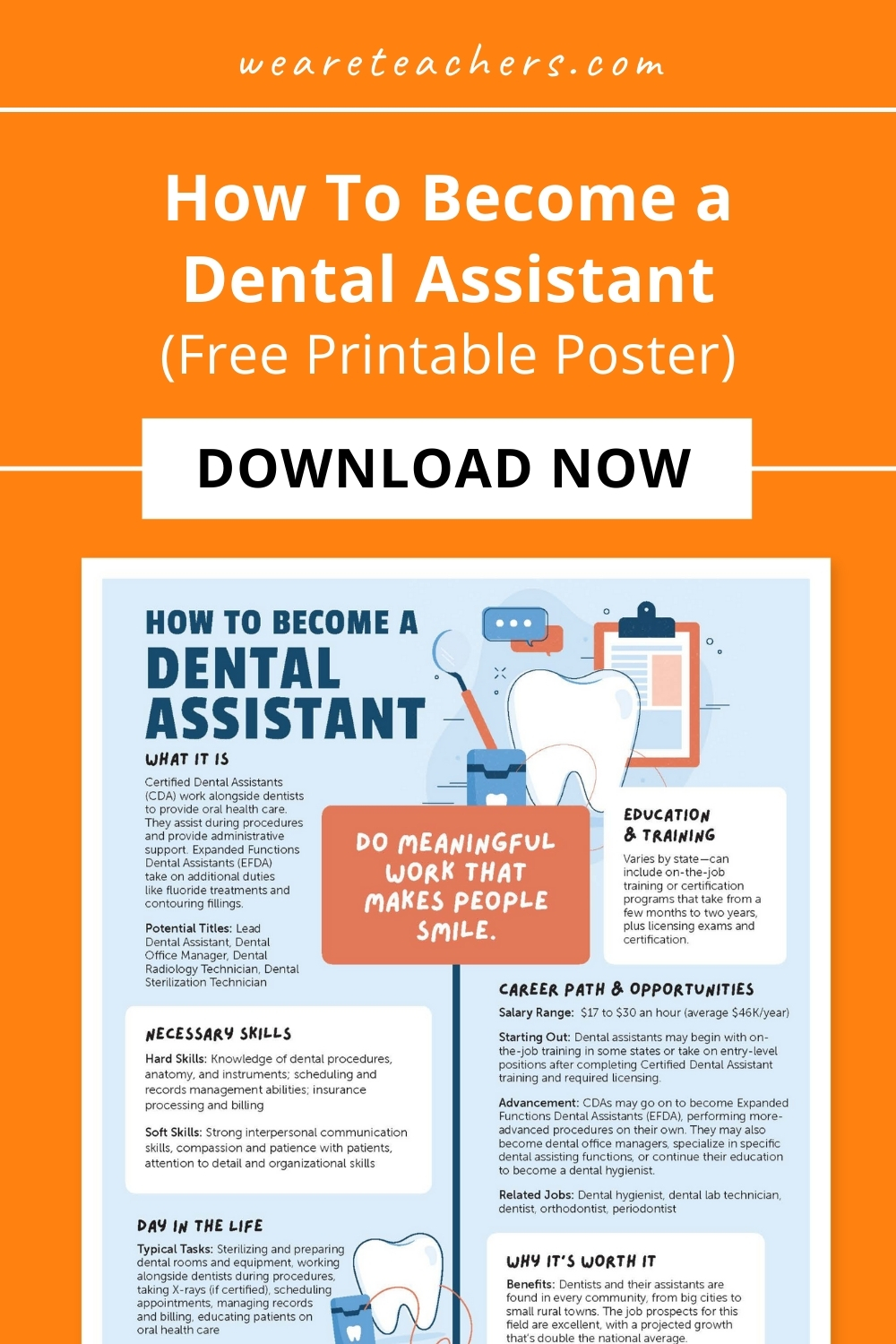
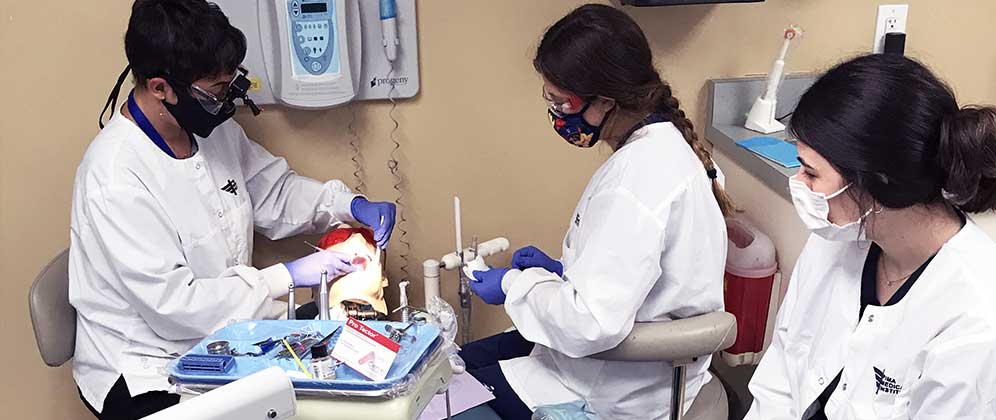 Traditional dental assisting roles historically focused on infection control, patient preparation, instrument sterilization, and administrative tasks such as scheduling and billing. While these functions remain critical, expanded duties now include clinical procedures that were previously exclusive to dentists, such as taking dental radiographs, applying topical fluoride, and placing temporary fillings. The shift is not merely about task delegation but also about optimizing patient flow—reducing chairside time for dentists allows for more complex treatments to be addressed, while assistants handle routine procedures efficiently.
Patient outcomes also benefit from this model. For example, studies published in the Journal of Dental Education demonstrate that dental assistants trained in oral health education and preventive care contribute to higher patient compliance with hygiene protocols, leading to fewer cavities and gum disease cases. Additionally, expanded duties reduce patient anxiety by allowing assistants to manage less invasive procedures, freeing dentists to focus on diagnostics and complex treatments. The following table highlights key differences between traditional and expanded roles, emphasizing their impact on practice efficiency and patient care:
Traditional dental assisting roles historically focused on infection control, patient preparation, instrument sterilization, and administrative tasks such as scheduling and billing. While these functions remain critical, expanded duties now include clinical procedures that were previously exclusive to dentists, such as taking dental radiographs, applying topical fluoride, and placing temporary fillings. The shift is not merely about task delegation but also about optimizing patient flow—reducing chairside time for dentists allows for more complex treatments to be addressed, while assistants handle routine procedures efficiently.
Patient outcomes also benefit from this model. For example, studies published in the Journal of Dental Education demonstrate that dental assistants trained in oral health education and preventive care contribute to higher patient compliance with hygiene protocols, leading to fewer cavities and gum disease cases. Additionally, expanded duties reduce patient anxiety by allowing assistants to manage less invasive procedures, freeing dentists to focus on diagnostics and complex treatments. The following table highlights key differences between traditional and expanded roles, emphasizing their impact on practice efficiency and patient care: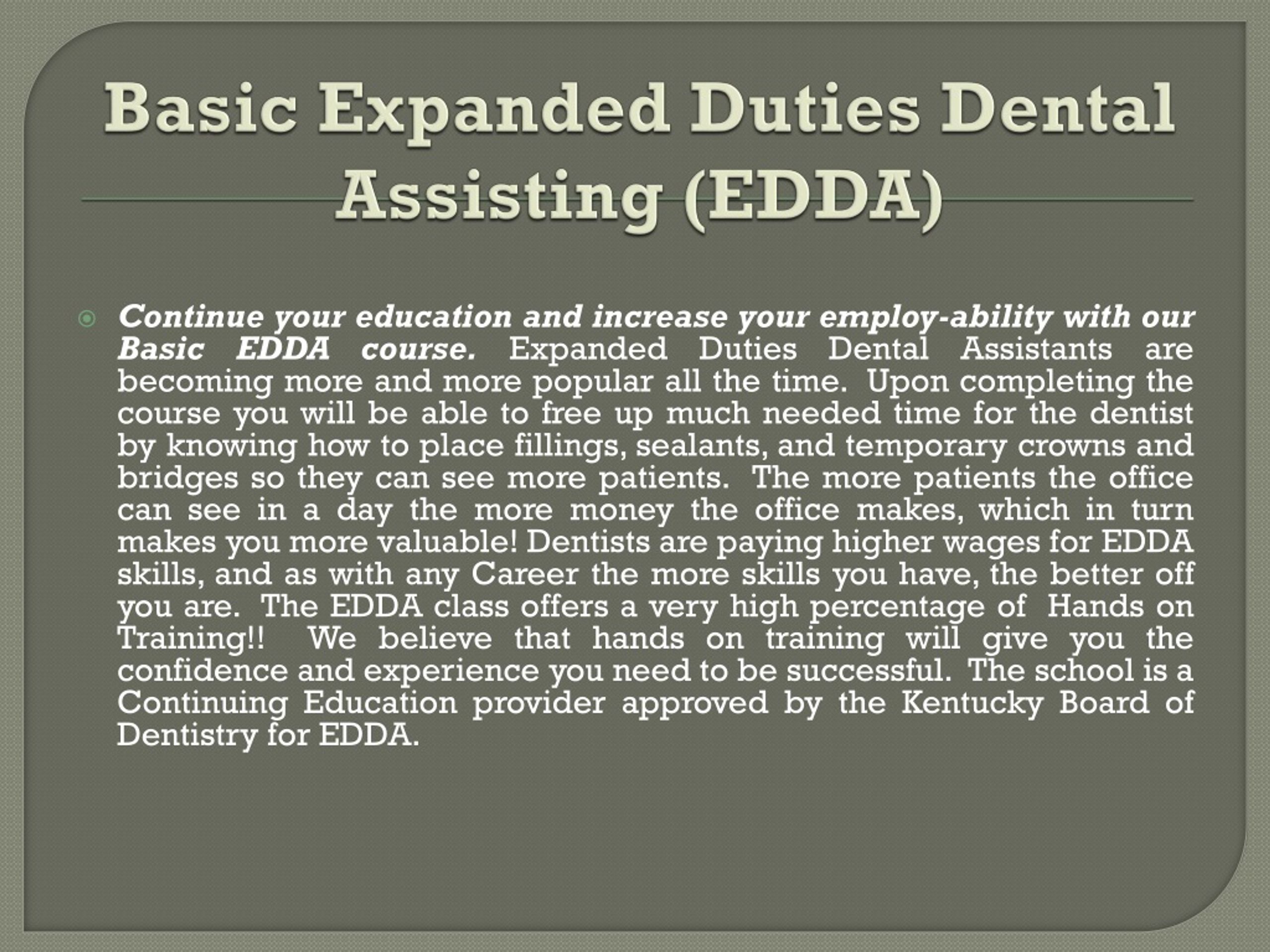
Leave a Comment
Comments are moderated before appearing. The data you submit is processed according to the Privacy Policy of Voltefac.