Exploring 9 types of anesthesia and their transformative medical roles
Table of Contents
- Introduction to Anesthesia: Foundations and Importance in Modern Medicine
- Historical Evolution of Anesthesia: From Ancient Pain Relief to Modern Precision
- Medical Definition and Mechanisms: Pain Relief, Muscle Relaxation, and Unconsciousness
- Global Anesthesia Usage: Procedures, Trends, and Regional Disparities
- Comparative Analysis: General, Regional, and Local Anesthesia
- General Anesthesia: Mechanisms, Types, and Clinical Applications
- Pharmacological Mechanisms of General Anesthesia
- Three Stages of General Anesthesia and Drug Selection
- 1. Induction Phase
- 2. Maintenance Phase
- 3. Emergence Phase
- Procedures Where General Anesthesia Is the Gold Standard
- Comparison of Common General Anesthesia Drugs
Anesthesia stands as one of medicine’s most revolutionary innovations, quietly transforming fear into safety for millions undergoing surgery each year. From ancient remedies like opium to today’s precision-engineered drugs, its evolution reflects humanity’s relentless pursuit of pain-free healing. Yet beyond its historical milestones lies a complex world where science, ethics, and human resilience collide—where a single miscalculation can mean the difference between life and death.
The global reach of anesthesia is staggering: over 320 million surgical procedures require its use annually, with developing nations now adopting advanced techniques once reserved for wealthy hospitals. But not all anesthesia is created equal. Whether freezing a tooth nerve or plunging a patient into controlled unconsciousness for open-heart surgery, each method carries distinct risks, mechanisms, and recovery paths. At the heart of this system lies a specialized team—anesthesiologists, nurses, and technicians—whose split-second decisions safeguard patients while navigating ethical dilemmas, from consent in emergencies to balancing pain relief against potential harm.
Introduction to Anesthesia: Foundations and Importance in Modern Medicine
Anesthesia represents one of the most transformative innovations in medical history, fundamentally altering the landscape of surgery and patient care. From ancient practices of numbing pain with crude methods to the precision-driven techniques of the 21st century, anesthesia has evolved into a highly specialized field that ensures safety, comfort, and efficacy during medical procedures. Its development not only extended the scope of operable conditions but also revolutionized childbirth, dental care, and emergency interventions, making complex treatments accessible to millions worldwide. Today, anesthesia is indispensable in over 322 million surgical procedures annually, with global surgical volumes projected to increase by 50% by 2040, driven by aging populations and advancements in medical technology (Global Burden of Surgery, 2019). This section explores the historical milestones, medical mechanisms, and critical role of anesthesia in contemporary healthcare, emphasizing its impact on patient outcomes and the ethical frameworks guiding its administration.
Historical Evolution of Anesthesia: From Ancient Pain Relief to Modern Precision
 The journey of anesthesia traces back thousands of years, with early civilizations employing rudimentary techniques to alleviate suffering. Ancient Egyptians used opium and alcohol as early as 3000 BCE for pain relief, while the Sumerians and Greeks documented the use of mandrake root and hemlock for surgical procedures. However, the systematic study of anesthesia began in the 19th century, marking a turning point in medical history.
The first public demonstration of surgical anesthesia occurred on October 16, 1846, when Dr. William T.G. Morton successfully used ether to induce unconsciousness during a tumor removal surgery at Massachusetts General Hospital. This breakthrough, followed by the introduction of chloroform by Dr. James Young Simpson in 1847, enabled surgeons to perform longer and more complex operations without patients experiencing excruciating pain. By the late 1800s, cocaine was isolated and used as a local anesthetic, paving the way for regional anesthesia techniques. The 20th century witnessed further advancements with the discovery of novel gases (nitrous oxide, halothane) and intravenous anesthetics (thiopental, propofol), while the latter half introduced epidural and spinal blocks, enhancing safety and patient comfort.
In the 21st century, anesthesia has transitioned into a multimodal, patient-centered approach, integrating total intravenous anesthesia (TIVA), ultrasound-guided nerve blocks, and computer-assisted drug delivery systems. Innovations such as dexmedetomidine for sedation and liposomal bupivacaine for prolonged postoperative analgesia reflect the field’s commitment to minimizing side effects while maximizing efficacy. These developments underscore anesthesia’s role not only as a tool for pain relief but as a cornerstone of perioperative care, reducing complications and improving recovery outcomes.
The journey of anesthesia traces back thousands of years, with early civilizations employing rudimentary techniques to alleviate suffering. Ancient Egyptians used opium and alcohol as early as 3000 BCE for pain relief, while the Sumerians and Greeks documented the use of mandrake root and hemlock for surgical procedures. However, the systematic study of anesthesia began in the 19th century, marking a turning point in medical history.
The first public demonstration of surgical anesthesia occurred on October 16, 1846, when Dr. William T.G. Morton successfully used ether to induce unconsciousness during a tumor removal surgery at Massachusetts General Hospital. This breakthrough, followed by the introduction of chloroform by Dr. James Young Simpson in 1847, enabled surgeons to perform longer and more complex operations without patients experiencing excruciating pain. By the late 1800s, cocaine was isolated and used as a local anesthetic, paving the way for regional anesthesia techniques. The 20th century witnessed further advancements with the discovery of novel gases (nitrous oxide, halothane) and intravenous anesthetics (thiopental, propofol), while the latter half introduced epidural and spinal blocks, enhancing safety and patient comfort.
In the 21st century, anesthesia has transitioned into a multimodal, patient-centered approach, integrating total intravenous anesthesia (TIVA), ultrasound-guided nerve blocks, and computer-assisted drug delivery systems. Innovations such as dexmedetomidine for sedation and liposomal bupivacaine for prolonged postoperative analgesia reflect the field’s commitment to minimizing side effects while maximizing efficacy. These developments underscore anesthesia’s role not only as a tool for pain relief but as a cornerstone of perioperative care, reducing complications and improving recovery outcomes.
Medical Definition and Mechanisms: Pain Relief, Muscle Relaxation, and Unconsciousness
Anesthesia is a controlled, reversible state of unconsciousness, analgesia (pain relief), and muscle relaxation induced by pharmacological agents to facilitate medical procedures. Unlike sedation, which primarily suppresses consciousness while maintaining protective reflexes, or analgesia, which targets pain without inducing unconsciousness, anesthesia encompasses a triad of effects:
The mechanisms of anesthesia involve modulation of neurotransmitters in the central nervous system (CNS), particularly gamma-aminobutyric acid (GABA) and glutamate pathways. Most general anesthetics enhance GABAergic inhibition, mimicking the effects of the brain’s natural inhibitory neurotransmitter, while others block N-methyl-D-aspartate (NMDA) receptors, reducing excitatory signals. Regional and local anesthetics, such as lidocaine or bupivacaine, work by blocking sodium channels in peripheral nerves, preventing pain signal transmission.
Key Difference: Sedation = Reduced consciousness with preserved reflexes. Analgesia = Pain relief without unconsciousness. Anesthesia = Controlled unconsciousness, analgesia, and muscle relaxation.
 The depth of anesthesia is monitored using Bispectral Index (BIS) monitors, which measure brain activity to ensure patients remain unconscious without awareness. This precision is critical, as awareness under anesthesia (AUA)—though rare (occurring in 0.1–0.2% of cases)—can lead to post-traumatic stress disorder (PTSD) and long-term psychological distress (APSF, 2018).
Global Anesthesia Usage: Procedures, Trends, and Regional Disparities
Anesthesia is administered in over 95% of surgical procedures worldwide, with developed nations averaging 10–15 procedures per 100 population annually, compared to 1–3 in low-income countries (WHO, 2021). The most common procedures requiring anesthesia include:
Regional trends highlight stark disparities:
Global Anesthesia Facts:
322 million surgeries annually (2020 estimate). C-sections account for 21% of all anesthesia cases (highest in Brazil and Egypt). Dental procedures under anesthesia rose by 40% in the U.S. (2010–2020) due to sedation dentistry.
The COVID-19 pandemic further exposed vulnerabilities, with elective surgeries postponed in many regions, leading to a 20–30% reduction in anesthesia cases in 2020 (NEJM, 2021). However, the crisis also accelerated telemedicine consultations for preoperative assessments and remote monitoring in postoperative care.
Comparative Analysis: General, Regional, and Local Anesthesia
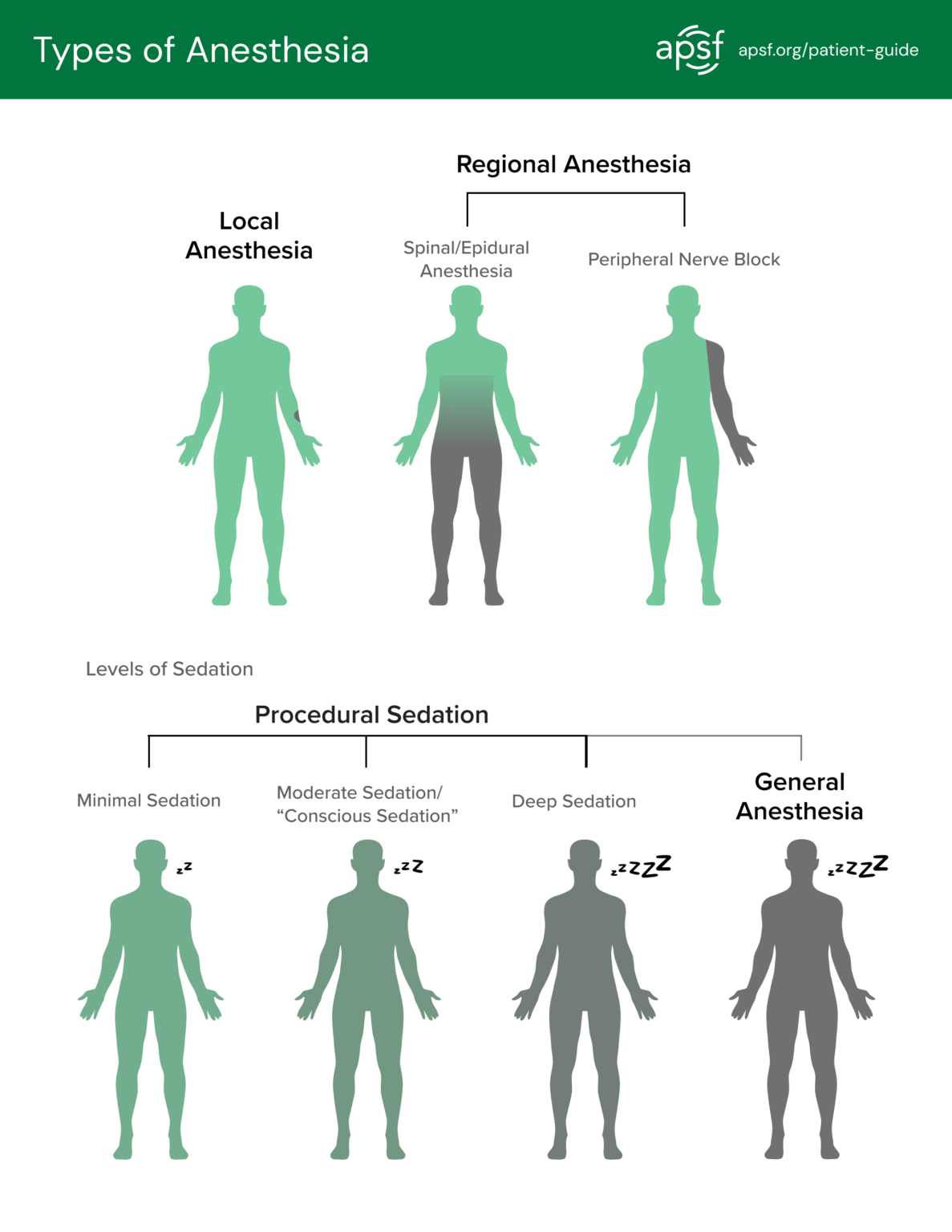
Anesthesia is categorized into three primary types, each tailored to specific medical needs, risks, and recovery profiles. Below is a comparative overview:
| Type | Primary Use Cases | Mechanism | Risks/Complications | Recovery Time | |||||||||||||||||||||||||
|---|---|---|---|---|---|---|---|---|---|---|---|---|---|---|---|---|---|---|---|---|---|---|---|---|---|---|---|---|---|
| General Anesthesia |
|
Induces unconsciousness via inhaled gases (sevoflurane, desflurane) or IV agents (propofol, ketamine). Combines amnesia, analgesia, and muscle relaxation through CNS depression. |
|
1–4 hours (varies by drug metabolism and procedure length). Full cognitive recovery may take 24 hours. |
|||||||||||||||||||||||||
| Procedure | Anesthetic Challenges | Key Anesthetic Considerations |
|---|---|---|
| Open-heart surgery | Hemodynamic instability, hypothermia, anticoagulation | Cardiopulmonary bypass management, transesophageal echocardiography (TEE) monitoring, rapid emergence. |
| Neurosurgery (e.g., brain tumor removal) | Intracranial pressure control, positioning risks (e.g., prone position) | Burst suppression monitoring (EEG), avoidance of hypercarbia, precise depth titration. |
| Thoracic surgeries (e.g., lung transplants) | One-lung ventilation, risk of hypoxia | Double-lumen endotracheal tube, low tidal volume ventilation, inhalational agents for bronchodilation. |
| Complex abdominal surgeries (e.g., Whipple procedure) | Fluid shifts, pain management, risk of ileus | Balanced anesthesia with opioids and regional blocks, goal-directed fluid therapy, early mobilization. |
| Trauma surgery (e.g., damage control laparotomy) | Hypovolemic shock, coagulopathy | Rapid-sequence induction, ketamine for hemodynamic support, minimally invasive monitoring. |
"In open-heart surgery, the anesthetic plan must account for the physiologic stress of cardiopulmonary bypass, where patients may experience systemic inflammatory response syndrome (SIRS) and require aggressive postoperative analgesia." — Journal of Cardiothoracic and Vascular Anesthesia (2021)
Comparison of Common General Anesthesia Drugs
The selection of anesthetic drugs is influenced by onset time, duration of action, and side effect profiles. Below is a comparative analysis of frequently used agents:
| Drug Name | Class | Onset Time | Duration of Action | Common Side Effects | Special Considerations |
|---|---|---|---|---|---|
| Propofol | IV hypnotic (GABAA modulator) | 30–60 seconds | 5–10 minutes (context-sensitive) | Hypotension, respiratory depression, pain on injection | Avoid in egg allergy; lipid emulsion may cause hypertriglyceridemia. |
Leave a Comment
Comments are moderated before appearing. The data you submit is processed according to the Privacy Policy of Voltefac.