What is the safest digital bank to choose in 2024
Table of Contents
- Understanding the Core Concept of Digital Banking Safety
- Fundamental Principles Defining a Safe Digital Bank
- Key Certifications and Licenses Consumers Should Prioritize
- Role of Encryption and Multi-Factor Authentication in Digital Banking Security
- Comparative Analysis: Traditional Banks vs. Digital Banks in Safety Features
Digital banking has reshaped how millions manage finances, yet security concerns linger as cyber threats evolve. With fraud cases rising globally by 35% in 2023, identifying a truly safe digital bank demands scrutiny beyond flashy apps and cashback offers. Regulatory compliance, military-grade encryption, and real-time fraud detection now separate the trustworthy from the vulnerable—yet few consumers know how to evaluate these critical safeguards.
From FDIC-insured accounts to zero-trust architectures, the safest digital banks embed security into every transaction. Yet gaps remain: some prioritize convenience over protection, while others bury critical details in dense privacy policies. This analysis cuts through the noise, dissecting what certifications matter, how emerging tech like AI-driven fraud detection works, and why Revolut’s 2022 FCA fine exposed systemic risks still plaguing the industry. The stakes are high—one misstep could expose savings to hackers or regulatory fallout.

Understanding the Core Concept of Digital Banking Safety
Digital banking safety is built on a foundation of trust, transparency, and technological resilience, ensuring that user funds, personal data, and transactions remain protected against evolving cyber threats. A safe digital bank integrates regulatory compliance, robust data protection measures, and financial stability as non-negotiable pillars. Unlike traditional banking, where physical branches and established reputations often provide a sense of security, digital banks rely on proactive encryption, real-time fraud detection, and third-party audits to instill confidence. The absence of visible infrastructure means users must scrutinize licensing, security protocols, and audit transparency to verify a digital bank’s reliability. Regulatory oversight, such as FDIC insurance in the U.S. or PSD2 compliance in the EU, acts as a critical safeguard, while encryption standards like AES-256 and TLS 1.3 ensure that data remains uncompromised during transmission and storage.
Fundamental Principles Defining a Safe Digital Bank
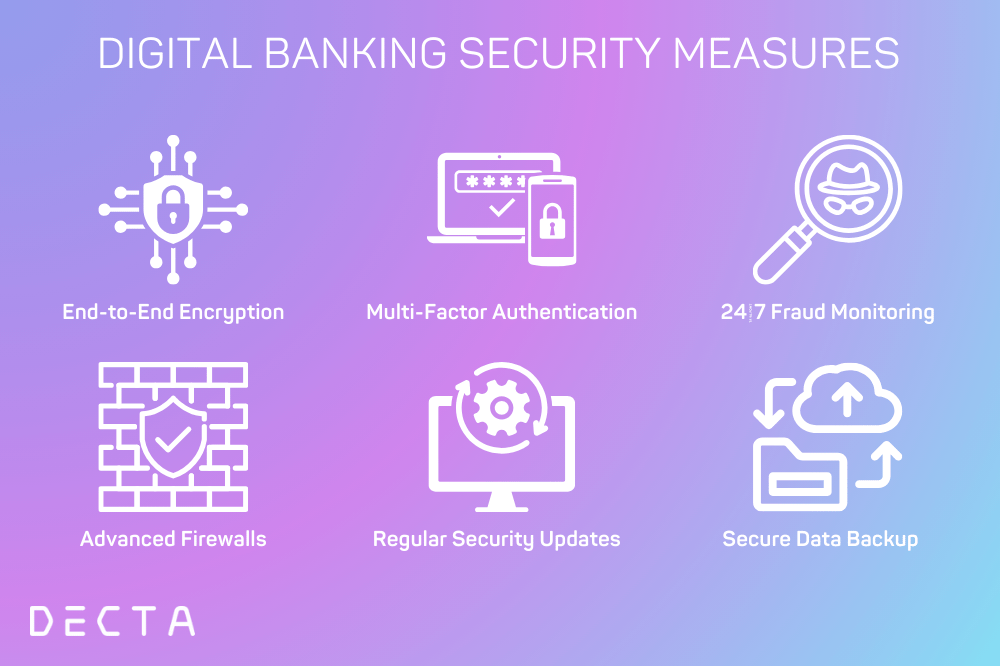 The safety of a digital bank hinges on three core principles: regulatory compliance, data protection, and financial stability. Regulatory compliance ensures the bank operates within legal frameworks designed to prevent fraud and financial mismanagement, while data protection safeguards user information from breaches and unauthorized access. Financial stability, often overlooked in digital-first institutions, guarantees that even in economic downturns, deposits remain secure and accessible. For instance, FDIC-insured banks in the U.S. protect deposits up to $250,000 per account, a standard that digital banks like Chime and Ally adhere to by partnering with traditional banks for deposit insurance. Similarly, NCUA insurance covers credit unions, including digital platforms like Alliant Credit Union, up to the same limit. These principles collectively create a multi-layered defense system where no single failure point can compromise user trust entirely.
Key Certifications and Licenses Consumers Should Prioritize
Digital banks must obtain specific licenses and certifications to demonstrate their commitment to safety. Below are the most critical credentials consumers should verify before engaging with a digital bank:
- FDIC Insurance (U.S.): Covers deposits up to $250,000 per depositor per insured bank for traditional and digital banks partnered with FDIC-member institutions (e.g., Capital One 360, Discover Bank).
- NCUA Insurance (U.S.): Protects deposits in federally insured credit unions, including digital platforms like Navy Federal Credit Union, with the same $250,000 limit.
- PSD2 Compliance (EU): Mandates strong customer authentication (SCA) and open banking security standards for banks operating in the European Union, ensuring interoperability and fraud prevention (e.g., Revolut, N26, Monzo).
- ISO 27001 Certification: A globally recognized information security management standard that verifies a bank’s adherence to best practices in risk management, access control, and incident response (e.g., Starling Bank, HSBC’s digital platform).
- SOC 2 Type II Audit (U.S.): Evaluates a bank’s data security, availability, processing integrity, confidentiality, and privacy controls, often required for cloud-based financial services (e.g., Chime, Varo Bank).
- GDPR Compliance (EU): Ensures user data privacy and transparency in data processing, with strict penalties for non-compliance (e.g., Wise, Revolut).
- FCA Authorization (UK): Grants digital banks operational legitimacy in the UK, subjecting them to anti-money laundering (AML) and financial crime regulations (e.g., Monzo, Starling Bank).
 Consumers should cross-reference these certifications with publicly available audit reports or regulatory filings to confirm their validity. For example, Revolut’s annual transparency report details its data breach incidents (or lack thereof) and regulatory actions, providing tangible proof of its compliance efforts.
Role of Encryption and Multi-Factor Authentication in Digital Banking Security
Encryption and multi-factor authentication (MFA) are the first lines of defense against cyber threats in digital banking. AES-256 encryption, a symmetric encryption algorithm, secures data by converting it into an unreadable format using a 256-bit key, making it nearly impossible to decrypt without the key. This standard is employed by TLS 1.3, the latest Transport Layer Security protocol, which encrypts data in transit between a user’s device and the bank’s servers. For instance, N26 uses TLS 1.3 for all transactions, ensuring that even if intercepted, data remains indecipherable. Multi-factor authentication (MFA) adds an additional layer by requiring two or more verification methods before granting access. Common MFA methods include:
- SMS-based codes: Sent to a user’s registered phone number (vulnerable to SIM-swapping attacks).
- Authenticator apps (TOTP): Generates time-based one-time passwords (e.g., Google Authenticator, Authy), reducing reliance on SMS.
- Hardware tokens: Physical devices like YubiKey that generate dynamic codes.
- Biometric verification: Fingerprint or facial recognition (discussed in detail in the next section).
A study by Microsoft found that MFA can block over 99.9% of automated attacks, making it indispensable for digital banks. Monzo, for example, mandates MFA for all account logins, while Revolut offers optional MFA with push notifications, balancing security and user convenience.
Comparative Analysis: Traditional Banks vs. Digital Banks in Safety Features
While traditional banks leverage physical security measures (e.g., vaults, branch surveillance), digital banks rely on cybersecurity protocols and real-time monitoring. Below is a comparative table highlighting key safety features:
| Safety Feature | Traditional Banks | Digital Banks | Advantages/Gaps |
|---|---|---|---|
| Regulatory Oversight | FDIC/NCUA insurance, strict AML/KYC laws (e.g., Bank of America, Chase). | FDIC/NCUA insurance (via partnerships), PSD2/GDPR compliance (e.g., Revolut, N26). | Advantage: Digital banks often adopt stricter global standards (e.g., GDPR). Gap: Some digital banks operate in regulatory gray areas (e.g., crypto-linked banks). |
| Data Encryption | AES-256, TLS 1.2 (older systems may lag). | AES-256, TLS 1.3 (e.g., Chime, Ally). | Advantage: Digital banks prioritize latest encryption standards. Gap: Legacy systems in traditional banks may pose vulnerabilities. |
| Fraud Detection | Manual reviews, rule-based systems (e.g., Wells Fargo). | AI-driven real-time monitoring (e.g., Monzo’s fraud alerts). | Advantage: Digital banks use machine learning for faster threat response. Gap: Traditional banks may have slower reaction times. |
| Customer Support | 24/7 call centers, in-person branches. | Live chat, email, limited phone support (e.g., Revolut’s 24/7 chat). | Advantage: Traditional banks offer immediate human intervention. Gap: Digital banks may lack personalized fraud resolution. |
| Audit Transparency | Annual financial audits (publicly available). | Security transparency reports
The safest digital bank isn’t just about avoiding breaches—it’s about building a fortress around your money through transparency, proactive security, and unwavering regulatory adherence. Whether you’re drawn to N26’s blockchain-ledger transparency or Chime’s FDIC-backed simplicity, the key lies in matching your needs with banks that treat security as their default setting. By leveraging audit trails, behavioral biometrics, and third-party certifications like ISO 27001, consumers can finally outsmart the fraudsters. The future of digital banking belongs to those who demand—and receive—proof of protection. |
Leave a Comment
Comments are moderated before appearing. The data you submit is processed according to the Privacy Policy of Voltefac.